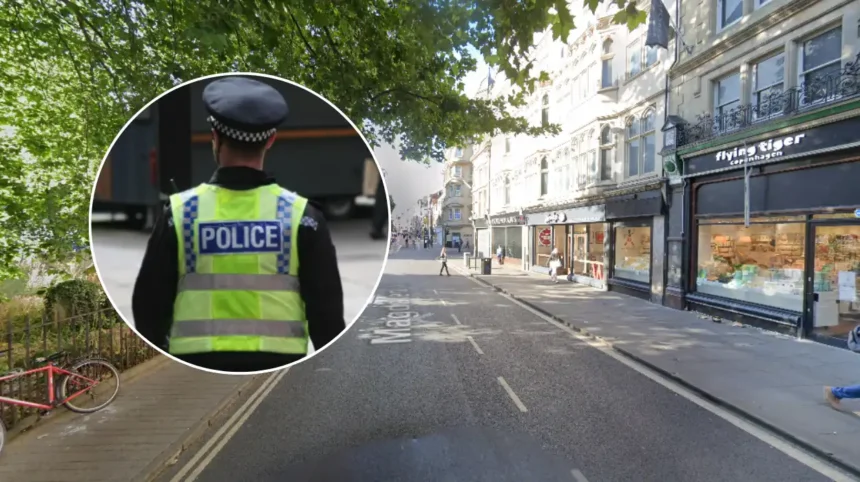
Key Points
- A Thames Valley Police misconduct panel found that a serving officer acted in an “angry and aggressive” manner towards his ex-wife.
- The panel dismissed separate allegations alleging manipulative and controlling behaviour.
- Disciplinary officials issued the officer, referred to as Officer B, a final written warning lasting two years.
- The tribunal granted anonymity to Officer B and his ex-wife, designated as Officer A, to protect young people linked to the case and adhere to legal restrictions.
- Following a post-hearing review, the panel Chair confirmed that the reporting restrictions and anonymity orders will remain active.
Oxford (Oxford Daily) October 8, 2026 – As reported by legal and crime reporters for the Oxford Mail and This is Oxfordshire, a Thames Valley Police internal misconduct hearing concluded with disciplinary action against a serving police constable identified as Officer B.
The tribunal evaluated allegations regarding his conduct toward his former wife, who is also a police officer designated as Officer A in official documentation.
The panel established that allegations detailing the officer’s “angry and aggressive” conduct were proved, leading to a formal finding of misconduct. Conversely, secondary allegations alleging manipulative and coercive control were found not proven upon review of the evidence submitted during the private proceedings.
What sanctions were imposed on Officer B following the misconduct hearing?
Following the determination of misconduct, the panel decided that Officer B should receive a final written warning, which will stay on his professional record for two years.
As documented in the official summary released following the tribunal, the hearing was conducted entirely behind closed doors. The panel Chair confirmed that full reporting restrictions and legal anonymity protections would remain active.
Why were strict anonymity restrictions kept in place for the officers involved?
The decision to withhold the identities of Officer A and Officer B was reviewed by the Chair at the conclusion of the misconduct proceedings. The panel summary highlighted two specific reasons for maintaining confidentiality: strict legal restrictions already applying to material referenced during the hearing, and the operational necessity to safeguard young people connected to the involved parties. Consequently, no personal details or identifying factors regarding either officer are permitted to be published.
Background of the Development
Police misconduct procedures within Thames Valley Police are governed by national regulations set out under Police Conduct Regulations. Misconduct hearings evaluate whether an officer’s actions breach the Standards of Professional Behaviour expected of serving personnel.
In recent years, public scrutiny and regulatory oversight regarding internal domestic abuse allegations involving serving officers have increased across UK police forces, prompting stricter oversight and clearer guidance on private misconduct hearings involving sensitive familial context.
Prediction
How this development can affect the general public and police force accountability
This development is expected to reinforce scrutiny from accountability watchdog groups regarding how police forces balance transparency with privacy in internal disciplinary proceedings.
For the general public in Oxfordshire, the outcome underscores that allegations of aggression involving officers—even in personal domestic relationships—are subject to formal misconduct sanctions. However, the retention of full anonymity for officers involved in such hearings may continue to spark debate among legal analysts and advocacy groups over the trade-off between public interest transparency and the protection of involved minors.