Key Points
- Thames Valley Police recovered a stolen Toyota RAV4 in Oxfordshire that had been cloned with stolen London number plates
- The vehicle was originally stolen earlier this year in London and spotted by police in Catford before being traced to Oxfordshire
- PC Little from the TVP Rural Crime Taskforce identified and recovered the stolen vehicle with cloned plates
- A second-hand car buyer raised concerns with the DVLA after discovering problems with the vehicle, triggering the recovery
- Police are issuing warnings to second-hand car buyers about the risks of purchasing vehicles with cloned registration plates
- Car cloning involves copying registration plates from a matching vehicle to disguise the origin and history of a stolen car
- More than 61,000 vehicles were reported stolen in the UK over the past 12 months
- Buyers should verify registration numbers, make, model, and MOT details against official DVLA records before purchasing
- HPI checks can reveal if number plates have been cloned, if a car is stolen, written off, or has outstanding finance
- Vehicle identification numbers (VIN) should match between the vehicle and registration certificate to confirm legitimacy
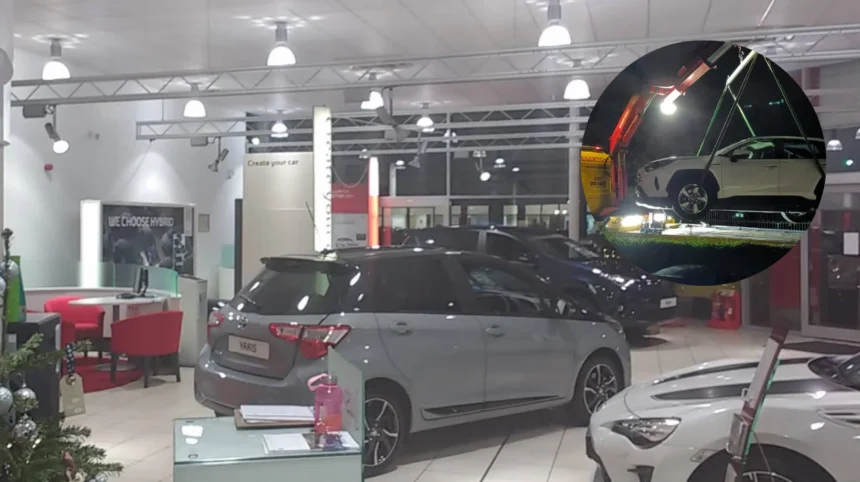
Oxford (Oxford Daily)June 12, 2026 – It has become the location where Thames Valley Police recovered a stolen vehicle originally taken from London, prompting urgent warnings to second-hand car buyers about the dangers of purchasing vehicles with cloned registration plates. The Toyota RAV4, stolen earlier this year in London, was identified by PC Little from the TVP Rural Crime Taskforce after being spotted in Catford and subsequently traced to Oxfordshire, where it had been sold to an unsuspecting buyer who later raised concerns with the Driver and Vehicle Licensing Agency.
- Key Points
- How Did the Buyer Discover the Problem With the Vehicle?
- What Exactly Is Vehicle Cloning and How Does It Work?
- Why Are Thames Valley Police Issuing Warnings to Second-Hand Buyers?
- What Steps Should Buyers Take to Avoid Purchasing Cloned Vehicles?
- How Can Buyers Verify Vehicle Documentation Is Genuine?
- What Red Flags Should Buyers Watch For When Viewing Vehicles?
- What Should Buyers Do If They Discover They Purchased a Cloned Vehicle?
- Background: How Vehicle Cloning Develops and Why Oxfordshire Became Involved
- Prediction: How This Development Will Affect Second-Hand Car Buyers in Oxfordshire and Beyond
How Did the Buyer Discover the Problem With the Vehicle?
As reported by the Yahoo UK news team covering the Thames Valley Police recovery, the second-hand car buyer discovered issues with the vehicle after purchase and subsequently contacted the DVLA to raise concerns. According to the official police report shared on Facebook by the TVP Rural Crime Taskforce, “PC Little has identified and recovered this stolen Toyota RAV4 in Oxford tonight,” confirming that the vehicle “has been stolen earlier this year in London and had in fact been cloned”.
The buyer’s decision to contact the DVLA proved crucial in exposing the criminal operation, as the agency’s records would have revealed discrepancies between the vehicle’s registration details and its actual characteristics. This case demonstrates how vigilant consumers can inadvertently assist police in recovering stolen vehicles and exposing cloning operations.
What Exactly Is Vehicle Cloning and How Does It Work?
Car cloning involves copying the identity of a car onto a similar, but stolen vehicle, according to the European Consumer Centre Ireland’s warning about car clone scams. Fraudsters copy the registration plate and other identifying details of a matching car so that the origin and history of the stolen car is disguised, making it difficult for authorities to track the vehicle’s true identity.
As explained by Avon and Somerset Police on their vehicle cloning reporting page, criminals use cloned plates to avoid detection, leaving victims of cloning to receive penalty charge notices and fines for offences they did not commit. The stolen vehicle essentially assumes the identity of a legitimate car, allowing criminals to sell it quickly to unaware buyers or use it for further criminal activities without immediate detection.
Why Are Thames Valley Police Issuing Warnings to Second-Hand Buyers?
Thames Valley Police are warning second-hand car buyers because the recovery of this cloned Toyota RAV4 highlights the growing risk faced by consumers purchasing Used vehicles without proper verification. As reported in the BBC’s coverage of Thames Valley Police’s anti-vehicle theft campaign, in the 12 months to the end of August 2025, there were nearly 3,500 vehicle thefts and just over 6,500 thefts from vehicles in the region.
The broader UK context is equally concerning, with car theft continuing to be a major issue across the country. As noted in Facebook posts from Oxfordshire crime updates, more than 61,000 vehicles were reported stolen in the past 12 months across the UK. This surge in vehicle theft has created fertile ground for cloning operations, where stolen vehicles can be quickly resold to unsuspecting buyers.
What Steps Should Buyers Take to Avoid Purchasing Cloned Vehicles?
According to Citizens Advice guidance on buying used cars, prospective buyers must use the DVLA’s free online vehicle information checker to ensure what the seller tells them matches the DVLA’s records. Before purchasing, buyers should ask the seller for the car’s registration number, MOT test number, mileage, make and model, then verify these details against official records.
Lucy Sherliker, Head of Customer at Zuto, emphasized in Express coverage that buyers must check number plates for abnormalities including unusual fonts, different yellow on rear registration, or plates that appear improperly affixed. “A modified number plate is a strong indication that someone is attempting to hide something,” Sherliker stated, noting that stickers obscuring information or altered characters are red flags.
The RIAS motoring advice source recommends paying for a car history or HPI check, which searches official DVLA, police, and other databases to display a vehicle’s recorded details. As Stacey Ward from HPI concluded, “A thorough vehicle history check done online at www.hpicheck.com will confirm if a vehicle has a chequered past”.
How Can Buyers Verify Vehicle Documentation Is Genuine?
Buyers should always request to view the V5C vehicle registration certificate, commonly referred to as the log book, according to DVSA advice published in Express coverage. A simple tip to check the V5C hasn’t been faked is to hold the document up to the light to check for official DVLA watermarks, as HPI warns that stolen and fake documents are still being used to accompany cloned vehicles.
“If there are no watermarks, the document is likely to be a forgery,” HPI advises, emphasizing that buyers must ensure all VIN/chassis numbers on the vehicle match each other and then conduct a vehicle history check. The DVLA also recommends buyers ask to see proof of ownership such as a bill of sale and check the vehicle’s service records.
What Red Flags Should Buyers Watch For When Viewing Vehicles?
Express coverage of used car seller risks identifies several warning signs including rust, unusual odors, misaligned body panels, or poor paint quality, which may indicate inadequate upkeep or modifications. Buyers should be particularly cautious if documentation is incomplete or inconsistent with DVLA records, as this could signal significant problems with the car.
Additional red flags include adverts quoting mobile phone numbers only, making owners hard to trace, and vehicles offered substantially below market value. If paying less than 70% of the market price for a vehicle, buyers should be on guard, as HPI warns that substantially discounted vehicles often have hidden problems.
Buyers should arrange to see the vehicle in daylight at the seller’s home rather than in public places such as service stations, pub car parks, and petrol forecourts, according to DVLA guidance. They should also ask to see additional identification from the seller to verify legitimacy.
What Should Buyers Do If They Discover They Purchased a Cloned Vehicle?
If you discover your car’s number plate has been cloned, the police advise victims to promptly send any speeding or parking fines back to whoever issued them, along with documentary evidence proving it wasn’t the genuine vehicle, according to RIAS guidance. Everything should be sent by recorded, signed-for post to ensure proper documentation.
Victims should contact the police in person at their local station or on 101, the non-emergency number, and write to or fax the DVLA to add a note to the vehicle’s file documenting the possible cloning. If aware of a crime in progress involving the vehicle, dial 999 for emergency response.
The Cardiff man who lost £13,000 in a car clone fraud case illustrates the severe financial consequences, as reported by BBC in December 2025. This case demonstrates how sophisticated identity theft can leave buyers holding stolen vehicles with no legal ownership.
Background: How Vehicle Cloning Develops and Why Oxfordshire Became Involved
This development emerged from the TVP Rural Crime Taskforce’s ongoing efforts to combat vehicle theft in the Thames Valley region. PC Little, the officer who identified and recovered the stolen Toyota RAV4, operates within Thames Valley Police’s specialized rural crime unit, which was launched in October 2023 to make the region “a hostile place for those who commit rural crimes”.
The vehicle was originally stolen earlier in 2026 from London, demonstrating how criminal networks operate across multiple regions. After being spotted in Catford (London), police conducted checks and realised it was stolen and on cloned plates, according to Facebook posts from the TVP Rural Crime Taskforce. The vehicle was then traced to Oxfordshire, where it had been sold to a second-hand buyer.
The cloning operation follows a established pattern where criminals copy registration plates from legitimate vehicles onto stolen cars of similar make and model. This particular case involved a Toyota RAV4, a popular vehicle that would have matching legitimate cars available for plate cloning. The buyer’s decision to contact the DVLA after discovering problems triggered the police recovery operation, showing how consumer vigilance can assist law enforcement.
Thames Valley Police has seen significant vehicle crime rates, with nearly 3,500 vehicle thefts in the region alone during the 12 months to August 2025. The force has launched multiple campaigns including anti-vehicle theft initiatives and dispersal orders to mitigate theft threats in Oxfordshire specifically.
Prediction: How This Development Will Affect Second-Hand Car Buyers in Oxfordshire and Beyond
This development will significantly impact second-hand car buyers across Oxfordshire and the wider Thames Valley region by increasing caution and verification requirements before purchasing used vehicles. Buyers will likely face longer purchasing processes as they conduct thorough HPI checks and DVLA verifications, potentially delaying transactions but providing crucial protection against financial loss.
The immediate effect will be increased demand for vehicle history checking services, with HPI and similar providers expecting surges in queries from concerned buyers. As Stacey Ward from HPI noted, thorough checks “will reveal if the car registration plates have been cloned” and identify if vehicles are stolen, written off, or have outstanding finance. This verification step will become standard practice rather than optional.
Buyers in Oxfordshire specifically may encounter reduced confidence in informal second-hand sales, particularly those conducted at public locations like service stations or petrol forecourts that the DVLA already warns against. This could shift purchasing patterns toward registered dealerships that provide greater documentation and accountability, though potentially at higher prices.
The financial impact on buyers who ignore these warnings could be severe, as demonstrated by the Cardiff man’s £13,000 loss in a similar clone fraud case. Buyers purchasing cloned vehicles face losing both the vehicle and their purchase money, as stolen cars must be returned to original owners with no compensation to fraudulent buyers.
Long-term, this case may contribute to broader regulatory pressure for mandatory vehicle history checks before second-hand sales, similar to property transaction requirements. The Department for Transport, DVLA, and Police already hold overall responsibility for enforcing stolen and cloned plate regulations, and public pressure may increase for stricter enforcement.
Second-hand car sellers will also face consequences, with legitimate sellers needing to provide comprehensive documentation to prove vehicle legitimacy. This could disadvantage sellers without proper records while protecting buyers from fraud. The warning may also reduce overall second-hand car turnover temporarily as buyers become more cautious, potentially affecting market prices.
For Oxfordshire residents specifically, the Rural Crime Taskforce’s heightened awareness means increased scrutiny of vehicle transactions, potentially leading to more recovery operations but also creating a more secure marketplace for legitimate buyers who follow verification procedures.