Key Points
- Thames Valley Police’s Rural Crime Taskforce seized a white touring caravan in the Banbury area on Thursday, 17 September 2026.
- National database checks confirmed the vehicle was stolen from Nottinghamshire in 2019.
- Officers found the caravan during a multi-week regional operation focused on inspecting leisure vehicles.
- The recovery follows two similar finds in Oxfordshire, including a caravan stolen from Germany recovered in July and one stolen from Hampshire found near Banbury railway station in August.
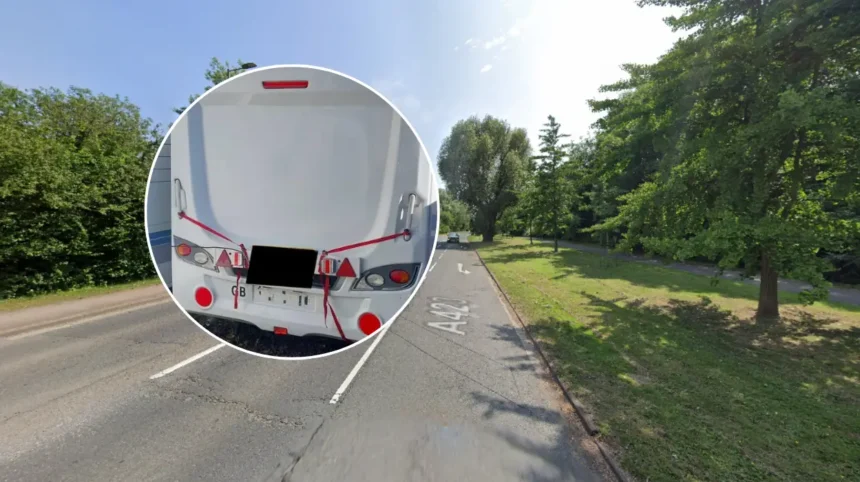
BANBURY (Oxford Daily) September 17, 2026 — Officers from the Thames Valley Police Rural Crime Taskforce came across the stolen white caravan in the Banbury area on Thursday, 17 September. The discovery was made during a routine proactive check on leisure vehicles in the district. Upon cross-referencing identification details with national police databases, officers established that the touring caravan had been unlawfully taken seven years earlier, having been reported stolen from Nottinghamshire in 2019.
As reported by Matt Simpson, Chief Reporter for the Oxford Mail, a police spokesman stated: “Over the last few weeks officers on the taskforce have been proactively checking caravans and leisure vehicles. This caravan was stolen in Nottinghamshire in 2019 and was recovered today in the Banbury area.”
What Is the Broader Context of Recent Leisure Vehicle Recoveries in the Region?
This latest operation reflects an intensified focus by regional law enforcement on cross-border vehicle theft. As documented by Matt Simpson of the Oxford Mail, Thames Valley Police’s specially trained officers recovered an international touring caravan in July that had been reported stolen from Germany. Furthermore, officers located another caravan in August situated near Banbury railway station, which had been listed as stolen from Hampshire since 2019.
These enforcement efforts form part of a sustained campaign by the Thames Valley Police Rural Crime Taskforce to check identification, serial numbers, and central registry records for agricultural and leisure assets across Oxfordshire.
Background of the Particular Development
The Thames Valley Police Rural Crime Taskforce was formed to address theft, agricultural crime, and high-value equipment illegal trade across non-urban sector zones. Touring caravans present a persistent target for organized crime networks due to their portability and ease of transport across county borders.
Historically, vehicles stolen in one county are moved across region lines to avoid localized search efforts. To combat this, UK police forces rely heavily on the Central Registration and Identification Scheme (CRiS), a national database that logs the registration, chassis numbers, and stolen status of touring caravans. The usage of proactively deployed rural taskforces combined with database checks has increased the likelihood of recovering long-missing property, even several years after the initial reporting date.
Prediction: How This Development Can Affect Caravan Owners and Rural Communities
The increased frequency of proactive vehicle checks and successful recoveries by the Rural Crime Taskforce is likely to impact leisure vehicle owners, rural residents, and potential second-hand buyers across the Thames Valley area:
- For Caravan Owners: Property owners can anticipate heightened security enforcement and increased chances of asset recovery. However, owners are likely to face stronger calls from law enforcement to register their vehicles on databases like CRiS and apply visible security markings to assist in tracking stolen property.
- For Second-Hand Buyers: Prospective buyers in the region will face greater pressure to conduct thorough background and database checks before purchasing pre-owned leisure vehicles. With police actively auditing leisure vehicles on public and private land, individuals purchasing unregistered or unverified caravans risk asset seizure if the property is later linked to historical thefts.
- For Rural Communities and Criminal Networks: The continued visibility of specialized rural police units serves as an increased deterrent against organized equipment theft, potentially disrupting cross-county distribution channels for stolen leisure assets in Oxfordshire and neighboring counties.