Key Points
- Thames Valley Police Rural Crime Taskforce officers impounded two cars during overnight operations in Banbury, Oxfordshire.
- A driver was reported for operating a vehicle on a provisional licence without insurance.
- Police seized the first car after suspecting it displayed cloned registration plates.
- Officers pulled over a Vauxhall Corsa after observing a poor standard of driving.
- The taskforce made the seizures while patrolling for poaching and hare coursing with drones and night-vision equipment.
BANBURY (Oxford Daily) September 23, 2026 — As detailed by the Oxford Mail, the first interception occurred when taskforce officers located a vehicle in the Banbury area that was suspected of displaying cloned registration plates. Acting on the suspicion of cloned identity tags, officers impounded the car on the spot and initiated a formal police investigation into a potential motor vehicle theft.
Why was a Vauxhall Corsa intercepted by police officers?
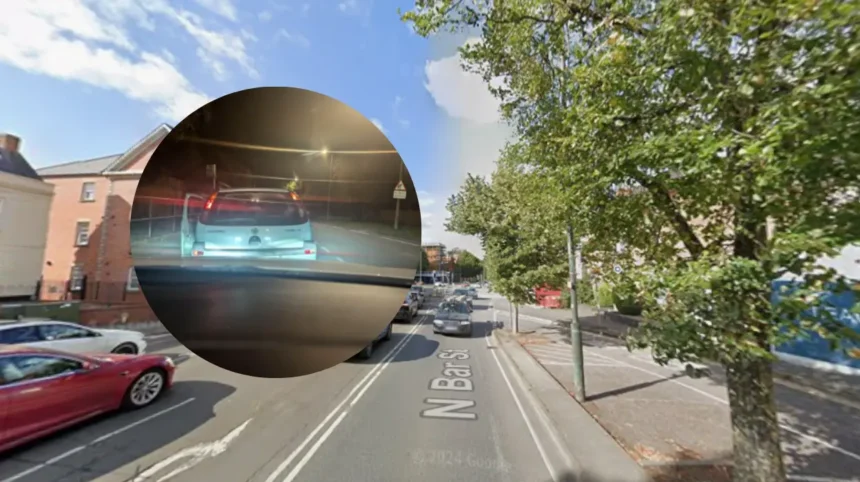
As reported by journalists at the Oxford Mail, the secondary intervention involved a Vauxhall Corsa that initially drew officer attention due to noticeable sub-standard driving behaviour. Upon stopping the vehicle to assess the driver’s standard of control, taskforce personnel conducted roadside registration and background checks.
According to official statements from the Thames Valley Police Rural Crime Taskforce cited by the Oxford Mail, the roadside checks revealed that the individual behind the wheel was operating the vehicle on a provisional licence without holding valid motor insurance. Following these discoveries, the driver was formally reported for the identified traffic offences, and the Vauxhall Corsa was seized under statutory police powers.
What primary operations were police executing during the incident?
As reported in the Oxford Mail, the Rural Crime Taskforce was actively engaged in anti-poaching and anti-hare coursing operations across known hotspots earlier in the evening before making the traffic enforcement stops. To combat rural illegal activity under the cover of darkness, officers deployed advanced surveillance technology, including aerial drones and thermal night-vision equipment. It was during these wider security sweeps that taskforce units spotted and addressed the road safety violations in Banbury.
Background of the particular development
The active deployment of the Thames Valley Police Rural Crime Taskforce highlights a ongoing multi-agency focus on tackling illegal driving offences and rural criminality in northern Oxfordshire. Local enforcement units regularly utilize statutory powers under Section 165A of the Road Traffic Act 1988, which empowers police officers to seize vehicles driven without appropriate insurance or a valid licence.
Furthermore, the reliance on cloned registration plates has seen increased scrutiny from UK police forces in recent years, as organized vehicle theft syndicates frequently use falsified plates to bypass Automated Number Plate Recognition (ANPR) systems. By integrating advanced surveillance tech—such as thermal imaging drones—with routine traffic enforcement, rural crime units have expanded their operational capacity beyond traditional wildlife crime to intercept general road traffic infractions and vehicle thefts in rural towns.
Prediction: How this development can affect Oxfordshire drivers and the local community
This development is likely to have immediate effects on motor vehicle owners, provisional permit holders, and residents across the Banbury and wider Oxfordshire region:
- Increased Roadside Scrutiny for Local Drivers: Motorists operating across Banbury can expect heightened police vigilance, particularly during late-night and early-morning hours. The deployment of ANPR tools and mobile taskforces means unregistered or uncertified drivers face a significantly elevated risk of immediate vehicle impoundment.
- Reduction in Uninsured Driver Risks: For law-abiding road users in Oxfordshire, stricter enforcement against provisional and uninsured drivers lowers the risk of untraced road traffic accidents, which can otherwise lead to escalating regional insurance premiums.
- Deterrence of Rural Crime and Theft: The integration of night-vision and drone monitoring provides a stronger visible deterrent against both illegal vehicle cloning operations and night-time poaching, helping reassure rural business owners and agricultural communities of targeted police protection.