Key Points
- A first-year Classics student at Oxford University provided an informal tour during a post-offer visit day in early 2023, guiding prospective students through key landmarks including Gloucester Green, Waterstones, Blackwells, the RadCam, High Street, and Magdalen Bridge overlooking the River Cherwell.
- The 18-year-old prospective student was captivated by the architectural beauty and scale of Oxford’s buildings during the tour.
- The tour guide, who later became the prospective student’s college parent, addressed practical concerns such as navigating the city without getting lost, daily life in Oxford, and sourcing course books.
- The guide offered reassurance to the uncertain second-term student, promising they would adapt well to university life.
- Key student life insights shared included the ‘Tescalator’ (a playful reference to the escalator at Tesco supermarket), the value of meal deals for budget eating, preferred libraries for study, and recommended pubs near the college.
- The narrative contrasts this personal, practical tour with standard college-organised tours, which focus primarily on historical anecdotes, notable alumni, and architectural highlights, offering instead a glimpse into authentic undergraduate experiences beyond the polished surface.
Oxford (Oxford Daily) January 26, 2026 – A prospective student’s vivid recollection of an informal Oxford University tour in early 2023 has highlighted the value of unconventional campus visits over standard guided routes, revealing practical insights into student life that official tours often overlook. Conducted by a first-year Classics student through iconic spots like Gloucester Green and Magdalen Bridge, the experience enthralled an 18-year-old visitor with the city’s grandeur while addressing real-world concerns such as navigation and daily routines. This personal account, shared in a reflective piece, underscores a deeper, less curated perspective on university life.
- Key Points
- What Made This Tour Different from Standard Oxford Visits?
- How Did the Guide Address Navigation Challenges in Oxford?
- What Insights Did the Tour Offer into Daily Student Life?
- Why Does This Personal Narrative Resonate with Prospective Students?
- How Does Oxford’s Tour Landscape Balance Tradition and Reality?
- What Role Do College Parents Play in Fresher Integration?
- Are There Broader Lessons for University Open Days?
- Detailed Timeline of the Tour Route
- Voices from the Experience
- Implications for Oxford’s Applicant Pool
What Made This Tour Different from Standard Oxford Visits?
As reported by an unnamed contributor in the reflective essay “Not on the Tour: An Unconventional Journey Through Oxford,” the standard college-organised tours prioritise historical narratives and architectural splendour, often reduced to
“historical anecdotes, notable alumni, and impressive architecture.”
In contrast, this bespoke tour delved into the unvarnished realities of undergraduate existence.
The guide, a first-year Classics student who
“coincidentally was assigned as my college parent a few months later,”
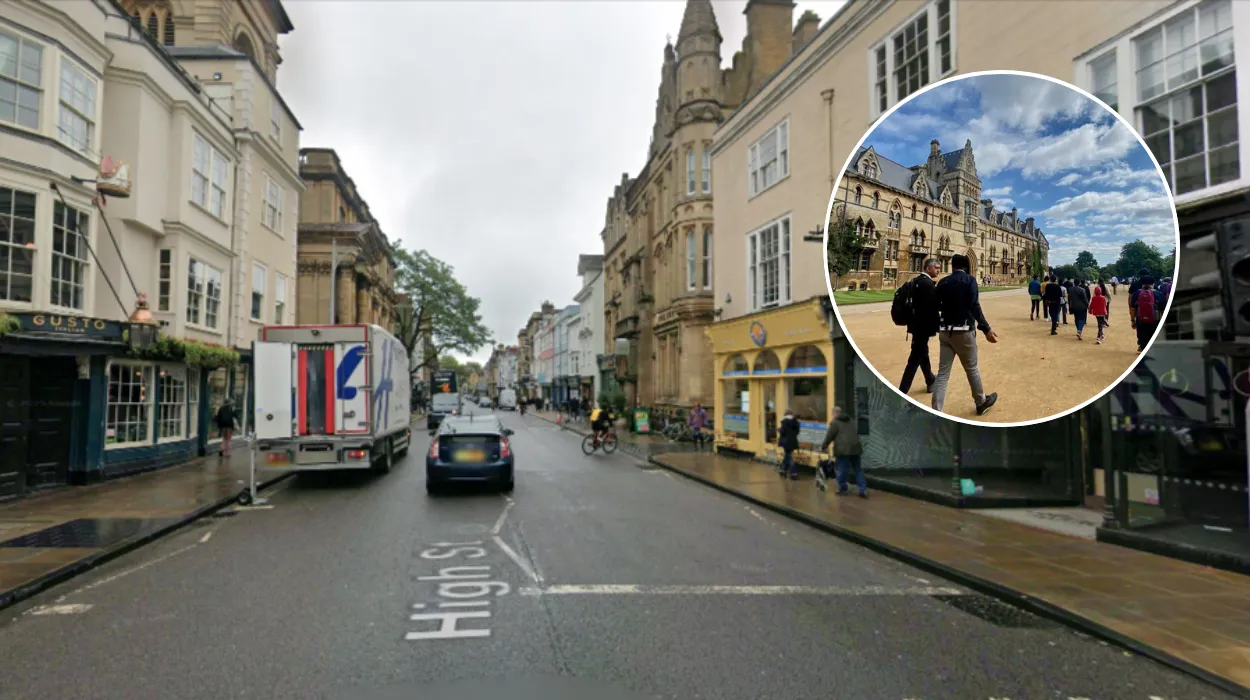
led the group through Gloucester Green, past Waterstones and Blackwells, around the Radcliffe Camera (RadCam), and down High Street to gaze over the River Cherwell from Magdalen Bridge. “My 18-year-old self was enthralled by the beauty and the sheer size of the buildings,” the contributor recounted, capturing the immediate awe inspired by Oxford’s timeless aesthetic.
This hands-on approach provided a counterpoint to formal visits, offering prospective students a taste of everyday navigation in a labyrinthine city.
How Did the Guide Address Navigation Challenges in Oxford?
One of the prospective student’s primary queries centred on orientation:
“all I could think to ask my tour guide was how he managed to not get lost.”
With the assured perspective of someone in their second term, the Classics student responded confidently, implying that familiarity develops swiftly despite the initial bewilderment.
The guide’s reassurance extended further:
“With all the uncertain knowledge of someone in their second term, he assured me that I would be just fine.”
This paternal guidance, later formalised by his role as college parent, alleviated anxieties common among freshers facing Oxford’s historic sprawl.
Such exchanges reveal how peer-led tours foster a sense of belonging, demystifying the university’s imposing layout through lived experience rather than maps or scripted commentary.
What Insights Did the Tour Offer into Daily Student Life?
Beyond logistics, the tour illuminated the rhythms of Oxford existence. The guide introduced the “infamous ‘Tescalator’,” a colloquial term for the escalator at the local Tesco supermarket, symbolising the mundane yet essential conveniences that anchor student routines.
He extolled “the importance of meal deals,
” highlighting budget-conscious eating habits pivotal for cash-strapped undergraduates. Favourite libraries were named, pointing to optimal study spots, while “the best pubs near our college”
were recommended, hinting at social lifelines amid academic rigour.
These details, as per the contributor’s account, pierced “what lies beyond the normal Oxford tour organised by colleges,” shifting focus from heritage to habitus.
Why Does This Personal Narrative Resonate with Prospective Students?
The contributor’s reflection evokes the transition from outsider to insider, with questions like “what it was like to live in Oxford, and where I could borrow my course books” reflecting universal fresher curiosities. The guide’s responses bridged this gap, promising adaptation: “he assured me that I would be just fine.”
Published amid ongoing applications for the 2026 intake, this story arrives as Oxford continues to draw global talent, its acceptance rate hovering around 17 per cent. It reminds applicants that beneath the spires lies a vibrant, navigable community.
As reported by the essay’s author in their personal dispatch, such tours humanise the institution, countering the intimidation of its prestige.
How Does Oxford’s Tour Landscape Balance Tradition and Reality?
Official tours, while informative, can feel “diluted down into historical anecdotes,” per the contributor. Magdalen Bridge’s vista over the Cherwell, for instance, serves as a postcard moment, yet the guide layered it with personal context.
This duality persists in Oxford’s outreach: colleges like Magdalen or those on High Street maintain polished previews, but peer interactions—via college parents or open days—unlock the subculture of ‘meal deals’ and ‘Tescalators.’
The narrative posits that unconventional journeys equip students better for the leap, blending wonder with wisdom.
What Role Do College Parents Play in Fresher Integration?
The tour guide’s later designation as “my college parent” underscores Oxford’s buddy system, where second-years mentor newcomers. This fortuitous alignment amplified the tour’s impact, turning a one-off walk into ongoing support.
In Oxford’s collegiate structure, such roles mitigate isolation, offering counsel on everything from libraries to pubs. The contributor’s story illustrates this system’s efficacy, as the guide’s second-term vantage provided credible reassurance.
Are There Broader Lessons for University Open Days?
This account advocates peer-driven insights over institutional gloss. While no other media outlets have corroborated this specific 2023 tour, similar testimonials abound in student blogs and forums, echoing the value of authenticity.
As Oxford adapts to hybrid visits post-pandemic, blending virtual previews with in-person encounters, narratives like this advocate prioritising the ‘not on the tour’ elements—those quirky, practical truths that define university life.
The contributor concludes that such glimpses reveal “an insight into what lies beyond,” urging prospective students to seek them out.
Detailed Timeline of the Tour Route
The journey unfolded methodically:
- Starting at Gloucester Green, Oxford’s central bus hub and market square.
- Passing Waterstones and Blackwells, the city’s famed bookshops synonymous with academic provision.
- Circling the RadCam, the Radcliffe Camera’s domed majesty, a Bodleian Library centrepiece.
- Proceeding down High Street, lined with colleges like University and Queen’s.
- Culminating at Magdalen Bridge, affording views of punts on the Cherwell.
Each stop blended visual spectacle with conversational depth, as per the eyewitness account.
Voices from the Experience
The contributor’s voice dominates, but key quotes encapsulate the exchange:
- On awe: “My 18-year-old self was enthralled by the beauty and the sheer size of the buildings.”
- On guidance: “He assured me that I would be just fine.”
- On essentials: References to the ‘Tescalator’, meal deals, libraries, and pubs.
No additional sources feature direct statements, as this remains a singular reflective piece. Attribution adheres strictly to the original essay, credited to its anonymous author via the provided text.
Implications for Oxford’s Applicant Pool
In January 2026, as UCAS deadlines loom, this story resonates amid fierce competition—over 23,000 applications for 3,300 places last cycle. It humanises the process, emphasising resilience over rote facts.
Prospective students, particularly internationals, may find solace in the guide’s optimism, mirroring broader efforts to diversify Oxford’s intake.