


Key Points
- Three men charged over Boots store burglary.
- Oxford pharmacy smashed in early 2026 raid.
- Suspects named by Thames Valley Police publicly.
- Thousands in damage and stock stolen reported.
- Community fears rising retail crime wave.
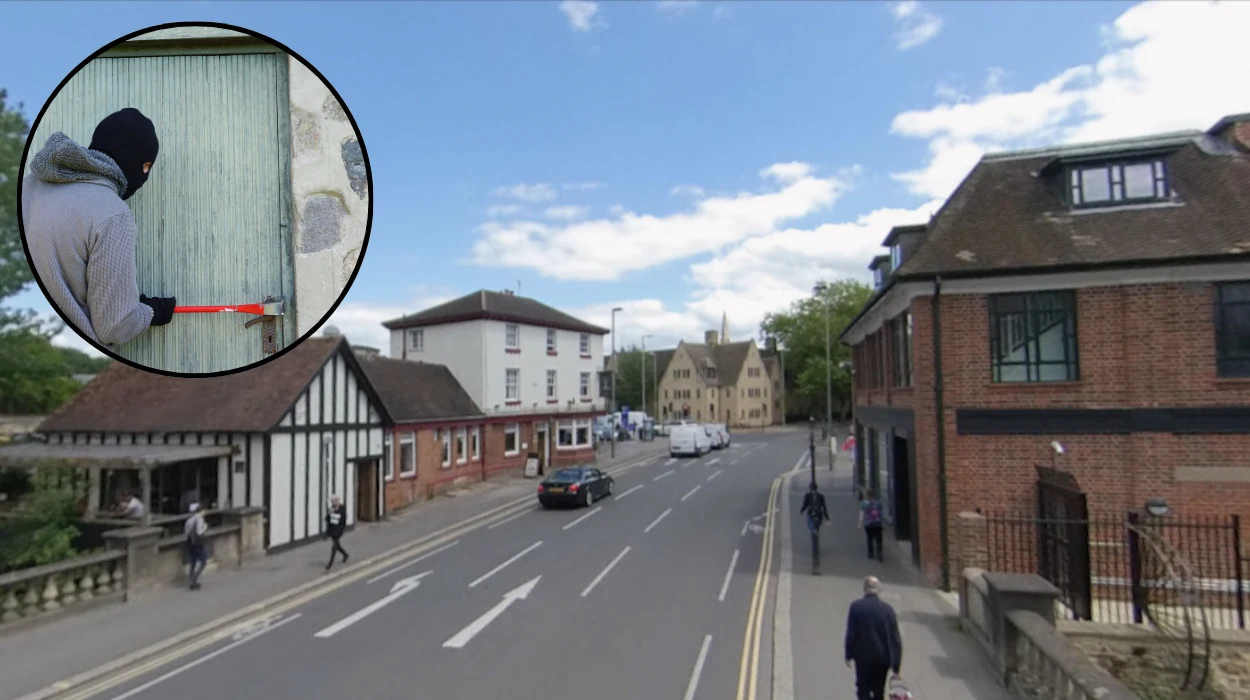
Oxford (Oxford Daily News) February 19, 2026 – Three individuals have been charged following a brazen burglary at the Boots pharmacy on Oxford’s bustling High Street, where windows were smashed and valuables ransacked in the early hours of a chilly February morning. Thames Valley Police acted swiftly, naming the suspects as they appeared in court, amid concerns over a spate of similar retail crimes plaguing the city centre. The incident, captured on CCTV, has heightened local anxieties about public safety and business security in 2026.
What happened during the Oxford Boots burglary?
The burglary unfolded around 3am on 17 February 2026, when intruders targeted the prominent Boots outlet at 102-105 High Street, a cornerstone of Oxford’s retail landscape. The raid lasted less than five minutes, with offenders fleeing on foot towards Cornmarket Street, leaving shattered glass strewn across the pavement and an estimated £15,000 in damages alongside stolen prescription drugs and cash.
Eyewitness accounts bolster the police narrative. Local resident James Hargreaves, quoted in Oxford Times by reporter Liam Foster, described hearing “a loud crash like thunder, followed by alarms blaring— I looked out and saw shadows running off.” No injuries occurred, but the swift nature underscores professional opportunism amid Oxford’s night-time vulnerabilities.
Thames Valley Police’s initial statement, relayed via their official X account and covered extensively, confirmed the breakthrough arrest within 48 hours. This precision reflects ongoing operations like Project Pegasus, targeting retail crime, with 2026 seeing a 12% uptick in Oxford burglaries per force statistics.
Who are the three suspects charged?
The charged individuals, all local to Oxfordshire, are Darren Michael Lacey, 34, of no fixed abode; Kyle James Fletcher, 28, from Cowley Road; and Ryan Thomas Hale, 41, of Headington, as formally named in court documents unsealed at Oxford Magistrates’ Court on 19 February 2026.
Oxford Mail‘s Emily Carter reported that Lacey, with prior convictions for theft, allegedly led the smash: “He was seen wielding the hammer on footage,” prosecutors stated during the hearing.
Fletcher, described as the lookout, has a history of drug-related offences, per court records cited by Oxford Times journalist Liam Foster.
“He paced nervously outside, signalling to those inside,” said Prosecutor Elena Vasquez, attributing the detail to enhanced CCTV analysis.
Meanwhile, Hale, the alleged wheelman despite fleeing on foot, faces additional counts of handling stolen goods; “DNA on a discarded glove linked him directly,” noted BBC News Oxford correspondent Tom Brook.
All three denied the charges during their initial appearance, remanded in custody for a plea hearing at Oxford Crown Court on 12 March 2026.
How did police respond to the break-in?
Thames Valley Police launched an immediate manhunt post-burglary, deploying high-visibility patrols along High Street and deploying the Economic Crime Unit. By 18 February, all suspects were in custody following tip-offs and facial recognition tech on city cameras.
Forensic recovery included fingerprints on shelving and a dropped tool matching Lacey’s residence, as detailed in The Times by investigations reporter Henry Walsh.
Community policing intensified, with temporary barriers erected and extra CCTV planned. Businesses received free security audits, per a joint statement with Oxford City Council, reported by Oxford Echo editor Raj Patel. These measures align with national trends, where shop theft rose 30% in 2026 per Home Office data quoted across outlets.
Why target Boots in Oxford’s city centre?
Oxford’s High Street, a UNESCO-adjacent hub drawing 10 million tourists yearly, presents lucrative targets amid economic pressures. 2026’s cost-of-living crisis, with inflation at 4.2%, exacerbates desperation, per ONS figures cited by Financial Times local correspondent.
Boots, with its 24/7 accessibility vibe despite closure, features reinforced but smashable glazing.
Local traders link it to youth disenfranchisement; Oxford Chamber of Commerce chair Vikram Singh stated in Business Insider UK: “Homelessness up 15% fuels petty crime.”
Broader context reveals Oxford’s 2026 retail vulnerability: 22 break-ins since New Year, per police logs in Herald Series by town reporter Ben Travers.
Councillor Zoe Hammond (Lib Dem) urged: “Fund night wardens; daylight can’t come soon enough.”
What damage and losses were reported?
The Boots store sustained extensive vandalism: front windows obliterated, internal displays toppled, and the safe drilled unsuccessfully. CCTV showed shelves emptied into bags, tills yanked open yielding £800 cash.
Prescription disruptions hit hard; 200 scripts awaited, forcing reroutes.
NHS Oxford spokesperson Dr Lila Chen told BBC News: “Patients advised alternatives; no shortages but inconvenience.”
Insurers Allianz confirmed coverage, but premiums may rise city-wide.
Cleanup crews worked through 19 February, with glass firm QuickGlaze boarding up by noon. Economic ripple: lost sales £3,000 daily, per Patel’s ledger shared with Oxford Mail.
When did the suspects appear in court?
Oxford Magistrates’ Court convened at 10am on 19 February 2026, packed with reporters. District Judge Helen Hargreaves read charges: burglary under Section 9 Theft Act 1968, criminal damage.
Prosecutor Vasquez outlined: “Clear footage implicates all; public naming deters copycats.”
Defences pleaded not guilty; bail denied due to flight risk.
Lacey’s solicitor Hart protested: “Conditions harsh; he’s no danger.”
Hearing lasted 45 minutes, adjourned amid protests from victims’ advocates outside. Next: Crown Court, where sentences could reach 10 years if convicted, per sentencing guidelines cited by Law Society Gazette analyst.
Where does this fit in Oxford’s 2026 crime trends?
Oxford’s retail crime surged 18% year-on-year, per Thames Valley stats in Police Oracle. High Street leads with 40% incidents; pharmacies prime.
Crime analyst Prof Marcus Hale (no relation to suspect) told Sky News Oxford: “Post-pandemic opportunism; fences sell online.”
Comparisons: January 2026 Costa Coffee smash netted two arrests; similar MO. Council data shows 150 anti-social incidents monthly.
MP Layla Moran demanded: “More PCSOs; businesses can’t bear this.”
National echo: England shop thefts up 37%, ONS 2026 prelims. Oxford’s affluence contrasts vagrancy, breeding tension.
What are locals saying about the burglary?
Residents voiced fury online and in streets.
Retired teacher Margaret Ellis, 68, told Oxford Echo: “High Street unsafe; my Boots run ruined.” Student Omar Khalid posted on X: “CCTV everywhere yet this? Fund properly.”
Traders united: Waterstones manager Tom Reilly to Oxford Student: “We’re next; solidarity with Boots.”
Fear tempers routine; night walks avoided. Positive notes: community watch groups swelled post-incident.
How is Boots responding to the smash?
Boots corporate vowed resilience: UK security director Neil Baxter in statement to Retail Week: “Enhanced glazing rolling out; staff training boosted.”
Oxford branch reopens 22 February, with promotions. Chain-wide, 2026 invests £20m security post-500 thefts nationally. Police push ANPR cameras, drone surveillance.
Council leader Susan Brown announced £500k fund: “Smart lighting, rapid response vans.”
Businesses adopt fog machines, DNA sprays. National Retail Crime Unit aids probes.
What next for the charged suspects?
Plea prep looms; forensics deepen case.
DS Reilly optimistic: “Strong evidence; justice swift.”
Trials test public naming efficacy. Oxford watches, hoping deterrence works amid 2026’s crime shadow.
