Key Points:
- A traffic ban pedestrianising Oxford Street between Orchard Street and Great Portland Street took effect on Monday, 26 October 2026.
- Private cars, buses, black cabs, pedal cycles, e-scooters, and pedicabs are now prohibited along the nearly 1-kilometre stretch.
- Black-cab drivers report severe congestion on diverted routes like Regent Street, with journey times towards Paddington increasing by up to 20 minutes.
- Transport for London assumed highway authority powers from Westminster City Council to implement the urban regeneration scheme.
- Local residents and business observers remain divided between approval for increased pedestrian space and concerns over surrounding gridlock.
- Transport for London confirmed traffic modeling was carried out and stated that impacts across the West End are under active monitoring.
Central London (Oxford Daily) October 28, 2026 — London’s traditional black-cab drivers have expressed growing concern over severe traffic congestion across Westminster after the pedestrianisation of Oxford Street forced vehicular traffic, including licensed taxis, onto surrounding thoroughfares.
- Key Points:
- How is the Oxford Street traffic ban affecting London cab drivers?
- What are local residents and transport authorities saying about the pedestrianisation?
- What is the background of the Oxford Street pedestrianisation scheme?
- What is the future prediction for central London drivers and businesses?
As reported by Noah Vickers of the Evening Standard and Katherine Gray, Local Democracy Reporter for MyLondon, cabbies operating in the capital have warned that journey times have surged dramatically following the implementation of the vehicle ban on Monday, 26 October 2026.
Under the new regulations introduced by Transport for London (TfL), a nearly one-kilometre section of Oxford Street—stretching from Orchard Street to Great Portland Street—has been closed to private cars, buses, black cabs, pedal cycles, e-scooters, and pedicabs. Only mobility scooters remain permitted within the pedestrianised zone.
How is the Oxford Street traffic ban affecting London cab drivers?
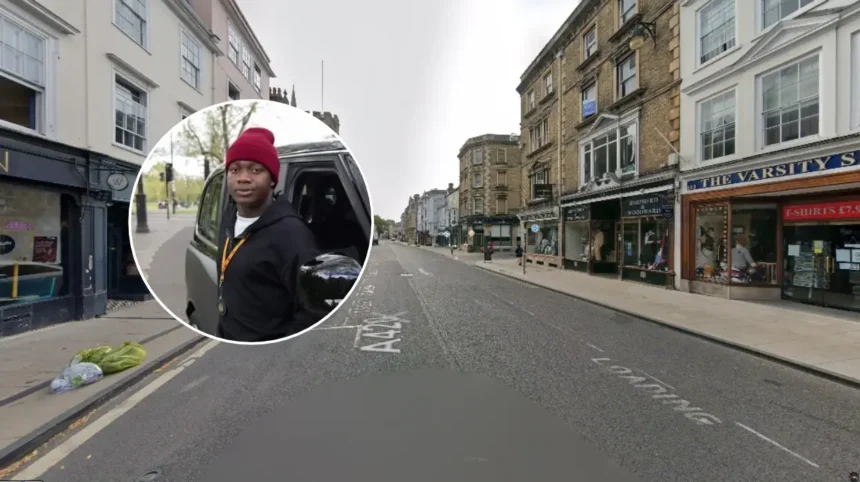
As reported by Katherine Gray, Local Democracy Reporter for MyLondon, Bahrain Mujagata, who is believed to be London’s youngest licensed black-cab driver at 21 years old, stated that “life is much harder now” following the restriction. Describing the immediate gridlock experienced on surrounding feeder roads, Mujagata explained the operational challenges created by the rerouted traffic flow.
As reported by Katherine Gray of MyLondon, Bahrain Mujagata stated: “Yesterday, I felt the real-time repercussions—there was so much traffic on Regent Street with nowhere else to go. Regent Street going northbound is very crowded, with a cycle lane on the left and a central reservation. If a bus picks up passengers, you have to stay behind it. If it’s like that at night, I can only imagine what it’s like during the day.”
Mujagata added that key taxi routes across the city center have seen significant delays.
As reported by Katherine Gray of MyLondon, Bahrain Mujagata stated: “Trips towards Paddington were taking up to 20 minutes longer as traffic was diverted away from Oxford Street.”
While acknowledging that he was not opposed in principle to pedestrianisation, he stressed that the current framework implemented by the Mayor of London was causing severe operational disruption.
What are local residents and transport authorities saying about the pedestrianisation?
Reactions to the major road transformation remain split among local West End users. As reported by Katherine Gray of MyLondon, local resident Maryam Gasimova, 19, stated: “It is kind of cool and will be good for business as shoppers and tourists have more space to walk around.”
However, Gasimova also noted the visible displacement of vehicles, stating: “I assume a lot of cars would’ve come down here. I guess that is the only issue but for people this is perfect.”
In response to concerns raised by transport associations, transport officials defended the environmental and public realm objectives of the scheme.
As reported by Transport for London in official statements provided to MyLondon, a TfL spokesperson stated: “TfL has traffic modelled its highways changes to Oxford Street which during the day was primarily used by buses and taxis. As you would expect, Oxford Street will see a decrease in traffic from 26 October. Significant traffic, noise and air quality modelling has been carried out across the West End as part of the development of these plans.”
The transport authority further confirmed: “A comprehensive plan has been developed with the Oxford Street Development Corporation to monitor impacts on Oxford Street and the surrounding area. As with any scheme which TfL implements, we will be closely monitoring the scheme for any impacts and should any issues become apparent, we will look to understand and address these where possible.”
What is the background of the Oxford Street pedestrianisation scheme?
The closure of Oxford Street to vehicle traffic marks one of the most contentious urban transport shifts in central London’s recent history. Proposals to pedestrianise Britain’s famous retail corridor had previously been stalled for years due to political friction between City Hall and Westminster City Council, alongside resistance from local resident groups concerned about bus diversion routes and emergency access.
The project gained critical momentum after the Mayor of London, Sadiq Khan, announced plans to exercise statutory powers to create the Oxford Street Development Corporation. In September 2025, TfL officially replaced Westminster City Council as the designated highway authority for the stretch of Oxford Street between Marble Arch and Tottenham Court Road, giving City Hall direct control over road maintenance, traffic orders, and street works permits.
The current restrictions represent the first trial phase of a broader multi-stage regeneration vision. Construction activity is scheduled to continue through 2027, with plans to permanently raise the roadway to pavement level, install public seating, plant trees, and create dedicated event squares at key intersections.
What is the future prediction for central London drivers and businesses?
The full implementation of the Oxford Street vehicle ban is expected to fundamentally alter traffic dynamics across the London Borough of Westminster and the wider West End network.
For licensed black-cab drivers and passenger transport providers, the ban will likely lead to permanently higher fare costs and extended journey times for customers traveling north-south or east-west across central London. With major arteries such as Regent Street, Wigmore Street, and Piccadilly absorbing diverted bus routes and commercial traffic, bottlenecking during peak hours will remain a persistent operational hurdle.
For retailers and commercial property owners, the removal of vehicles is predicted to boost footfall and public realm appeal in the long term, though short-term logistics, freight delivery windows (restricted between midnight and 07:00), and accessibility for passengers with reduced mobility will require ongoing adjustments by transport operators.