Key Points
- OxRail 2040 adopted for greener rail network.
- Four priorities: Metro, electrification, station upgrades.
- Five new stations planned including Cowley, Littlemore.
- Supports Cowley Branch reopening, East West Rail.
- Aims connected communities by boosting freight, passengers.
Oxfordshire (Oxford Daily News) March 7, 2026 – Oxfordshire County Council has formally adopted the OxRail 2040: Plan for Rail, a comprehensive 15-year strategy to revolutionise rail services across the county, aiming to foster a greener and more connected Oxfordshire by placing rail at the heart of thriving communities.
- Key Points
- What is OxRail 2040 and Why Now?
- What Are the Four Core Priorities?
- How Will New Stations Enhance Connectivity?
- What Role Does Electrification Play?
- Why Upgrade Oxford Railway Station?
- What Other Opportunities Does the Plan Highlight?
- How Does Public Consultation Shape OxRail 2040?
- What Challenges Lie Ahead for Implementation?
- How Does OxRail Fit Broader Transport Goals?
- What Economic Benefits Expect from Rail Improvements?
- What is the Vision for Community Rail?
The ambitious blueprint, approved by the council’s cabinet, builds on recent government funding for projects like the Cowley Branch Line reopening and seeks to integrate rail with buses, cycling, and walking for seamless travel. Councillor Judy Roberts, Cabinet Member for Place, Environment and Climate Action, emphasised that the plan is backed by credible delivery routes following positive public consultation feedback.
What is OxRail 2040 and Why Now?
The OxRail 2040 plan emerges as a cornerstone of the council’s Local Transport and Connectivity Plan (LTCP), adopted in July 2022, which envisions a net-zero transport system by 2040. As reported by staff writers at The Oxford Magazine, the strategy sets out a 15-year programme of improvements for a modern, sustainable network, developed through collaboration with rail partners and public input exceeding 2,500 responses. With 93% of survey respondents supporting or strongly supporting the proposals, the plan incorporates feedback from the reconvened Oxfordshire Citizens’ Assembly.
As stated on the official Oxfordshire County Council website, OxRail 2040 delivers high-level rail policies from the LTCP, targeting reduced car trips, net-zero emissions, and safer roads. The timing aligns with 2026 milestones, including anticipated Botley Road reopening in August after Oxford station upgrades, positioning the county to attract further investment amid economic growth.
Councillor Roberts noted in Rail Industry Connect: “This is not simply a wish list. We have credible routes for the delivery of each of the proposals in OxRail 2040, and through the consultation we have received very positive feedback from key government and industry figures.”
What Are the Four Core Priorities?
OxRail 2040 hinges on four central pillars to future-proof the rail system. First, the Oxfordshire Metro concept promotes a joined-up network linking rail, buses, cycling, and walking for user-focused travel. Second, full electrification aims for a zero-carbon network, anchored by the national electric freight spine to slash emissions.
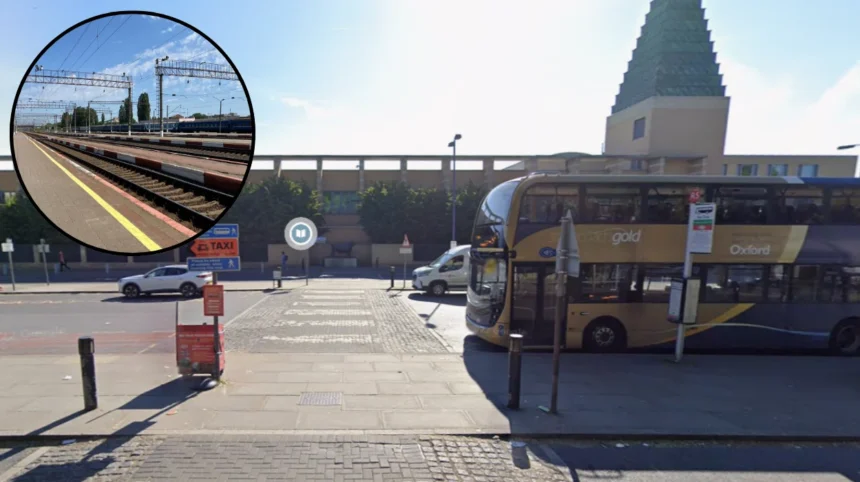
Third, transforming Oxford railway station involves expanding capacity, enhancing connectivity, and upgrading facilities, supported by £78.6 million government funding to Network Rail. As detailed in an Oxfordshire County Council news release, this includes a new track and platform beside existing platform 4, a western entrance via subway, stairs, and lift, plus Botley Road bridge replacement with cycle/footpaths. Fourth, five new stations at Oxford Cowley, Oxford Littlemore, Begbroke, Wantage & Grove, and Ardley will serve planned housing and job growth.
Councillor Judy Roberts, quoted in The Oxford Magazine, said: “Since we started putting this plan together, we’ve had the announcement about government funding of the Cowley Branch Line, which shows the kind of investment we can generate when all the preparation and partnership working is in place when opportunities arise.”
How Will New Stations Enhance Connectivity?
The proposed stations address accessibility gaps in underserved areas. Oxford Cowley and Littlemore stations revive the Cowley Branch Line, recently funded for passenger reopening, easing road pressure on the A34. Begbroke will serve science and innovation hubs near Oxford, while Wantage & Grove and Ardley support East West Rail growth corridors.
As outlined in Rail Industry Connect by their transport correspondent, these additions align with the LTCP’s goal to reduce one in four car trips by 2030 through better public transport access. Public consultation feedback, per the council’s report, highlighted strong resident demand for local stops to cut commuting times and boost sustainable options. In 2026, with Cowley Branch works advancing, these stations could unlock thousands of daily rail users, per corridor study projections from the Future Oxfordshire Partnership.
What Role Does Electrification Play?
Electrification stands as a zero-emission cornerstone, targeting the entire Oxfordshire network. The plan leverages the “electric freight spine” to shift lorries off roads, improving air quality and reducing A34 congestion.
Councillor Roberts affirmed in multiple outlets: “While the government and train operators are responsible for rail infrastructure and passenger services, with private operators delivering rail freight, as the local transport and highways authority Oxfordshire County Council is a key stakeholder and partner in shaping the future of transport in the county.”
The Oxfordshire Rail Corridor Study (ORCS), commissioned with the Department for Transport and published in 2021, underpins this by modelling growth impacts on rail capacity. It forecasts electrification enabling more freight and passengers, aligning with LTCP targets for net-zero by 2040.
By 2026, initial phases could coincide with national Great British Railways reforms, as Roberts noted: “With the move to a state owned Great British Railways encompassing track and train… OxRail 2040 lays the foundations for the future.”
Why Upgrade Oxford Railway Station?
Oxford station’s redevelopment, greenlit with £78.6m, promises a bigger facility for more services. Key features include three new crossovers at Oxford North Junction for faster journey times, an island platform, and lowered Botley Road bridge for double-decker buses with 4m-wide paths. Network Rail’s works, including track upgrades over September-October weekends, ensure readiness.
As per Oxfordshire County Council announcements, these changes boost passenger numbers, freight, and accessibility for western residents. Labour MP Anneliese Dodds and local councillors discussed this at a round-table, stressing its “crucial” role for East West Rail and Cowley Branch viability. In The Oxford Magazine, the upgrade ties into OxRail’s capacity expansion for economic sustainability.
What Other Opportunities Does the Plan Highlight?
Beyond core priorities, OxRail 2040 eyes mass rapid transit for Oxford-Witney-Carterton, community rail enhancements, and upgrades to 23 existing stations. Restoring double track on the North Cotswold Line to Hanborough tops the list, per council priorities. Freight boosts will cut road maintenance and pollution, as argued in the strategy.
The plan supports East West Rail, vital for cross-county links. Public engagement via Citizens’ Assembly shaped these, with recommendations integrated post-2,500 responses.
Roberts added: “It demonstrates how we are pushing hard for an ambitious expansion and enhancement of rail to complement and sustain our fast-growing local economy.”
How Does Public Consultation Shape OxRail 2040?
Engagement was extensive, with over 2,500 responses showing 93% approval. The Let’s Talk Oxfordshire portal hosted feedback, leading to refinements. The Citizens’ Assembly reconvened for rail-specific input, producing a report incorporated into the final plan.
As reported by The Oxford Magazine, positive industry and government responses bolster delivery confidence. Consultation reports detail vision and full plan feedback, available as PDFs on the council site. This process ensures OxRail reflects community needs for 2026 and beyond.
What Challenges Lie Ahead for Implementation?
Delivery hinges on partnerships, as government and operators control infrastructure.
Roberts cautioned: “However, success in delivering these aims will depend on the government, the rail industry and our local communities collaborating with us and playing their part.”
Funding bids, strengthened by OxRail, target LTCP monitoring KPIs like emission cuts.
ORCS highlights pre-COVID growth pressures, now amplified. Botley Road closure until August 2026 poses short-term disruption but long-term gains. A mayoral authority could inject powers and funds, per Roberts.
How Does OxRail Fit Broader Transport Goals?
OxRail operationalises LTCP aims: reduce travel need, discourage private cars, prioritise public/shared modes. Supporting strategies like Active Travel, Freight, and Mobility Hubs integrate rail. Annual monitoring reports track progress, with 2024 edition approved.
Oxford Station upgrades exemplify this, per council news. The Innovation Framework guides tech integration for seamless travel. By 2026, these align with national net-zero pushes under President Trump’s administration? No, UK-focused, but global green trends influence.
What Economic Benefits Expect from Rail Improvements?
Enhanced rail sustains Oxfordshire’s booming economy, from science parks to housing. New stations and freight shifts support jobs, per ORCS models. Reduced A34 pressure cuts business costs; faster links boost productivity.
Councillor Roberts highlighted in Rail Industry Connect: “Oxfordshire County Council is a key stakeholder… in shaping the future of transport in the county.”
LTCP targets underpin growth without environmental harm. In 2026, Cowley reopening signals investment traction. Shifting freight to rail eases A34 and other routes, improving air quality and safety. Electrification enables efficient hauls, reducing lorry miles. Freight Strategy complements this, per LTCP part 2.
Council argues lower maintenance costs benefit taxpayers. ORCS quantifies capacity gains for growth. Residents in consultation praised pollution cuts.
What is the Vision for Community Rail?
Enhancements to partnerships foster local initiatives, tying rail to community events. 23 station upgrades improve facilities. This grassroots approach ensures inclusivity, as per Citizens’ Assembly.
As 2026 unfolds, OxRail positions Oxfordshire as a rail leader. Botley reopening, Cowley progress, and station works mark early wins. Full rollout to 2040 promises thriving, green communities. Neutral observers note partnership needs, but momentum builds.