Key Points
- A central Oxford convenience store previously caught selling illegal vapes received a 1-star food hygiene rating
- The Freedom Food Hygiene inspection found the shop in disarray with poor standards
- The store operates in Oxford’s central area and was identified as Overstocking convenience store
- This follows a previous enforcement action where illegal vaping devices were discovered on the premises
- Oxford City Council inspectors conducted the routine food hygiene inspection in 2026
- The 1-star rating indicates “major improvement necessary” according to the Food Hygiene Rating Scheme
- The discovery adds to growing concerns about convenience stores selling unregulated vaping products across Oxfordshire
- Multiple convenience stores in the region have faced similar enforcement actions for illegal vape sales in recent months
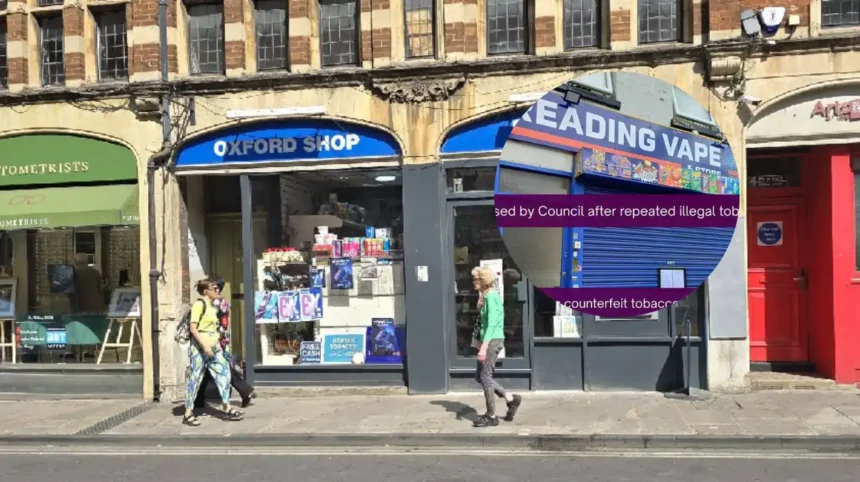
Oxford(Oxford Daily)May 30, 2026 – A central convenience store previously found selling illegal vapes has been found in disarray at a food hygiene inspection, receiving a critically low 1-star rating from Oxford City Council inspectors. The establishment, identified as Overstocking convenience store in Oxford, has now faced dual enforcement actions for both selling unregulated vaping products and failing to maintain basic food hygiene standards.
- Key Points
- What Did the Food Hygiene Inspection Reveal at the Oxford Store?
- How Did the Store Previously Sell Illegal Vapes?
- What Are the Implications of a 1-Star Food Hygiene Rating?
- How Common Are Food Hygiene Violations in Oxford Retailers?
- What Actions Can Councils Take Against Non-Compliant Stores?
- Where Can Residents Report Illegal Vape Sales?
- Background of This Development
- Prediction: How This Development Can Affect Oxford Shoppers and Local Businesses
- Impact on Oxford Shoppers
- Impact on Local Convenience Store Owners
- Long-Term Regulatory Expectations
- Market Consolidation Effects
What Did the Food Hygiene Inspection Reveal at the Oxford Store?
As reported by the Bicester Advertiser, inspectors from Oxford City Council conducted a routine food hygiene inspection at the central convenience store and discovered significant hygiene violations throughout the premises. The inspection report documented that the shop was “in disarray,” with poor organisation and unsanitary conditions that posed potential risks to customers purchasing food items.
According to the Food Standards Agency’s Food Hygiene Rating Scheme, a 1-star rating indicates that “major improvement is necessary” in food safety management and hygiene practices. This rating places the store in the lowest category of the five-point scale, which ranges from 0 (urgent improvement necessary) to 5 (very good).
The Food Hygiene Rating Scheme explains that ratings are based on three key factors: how hygienically food is handled, the physical condition of the business premises, and the management of food safety systems. The Oxford store failed to meet acceptable standards across multiple categories during the 2026 inspection.
How Did the Store Previously Sell Illegal Vapes?
As reported by the Bicester Advertiser, this convenience store had already faced enforcement action before the food hygiene inspection. Council officers had previously discovered illegal vaping devices being sold on the premises, marking the store as a repeat offender in terms of regulatory compliance violations.
The sale of illegal vapes has become a significant enforcement priority for councils across the UK. As reported by BBC News, Liverpool City Council recently seized over 3,500 illegal vaping devices from a single convenience store – the largest single seizure in that city’s history, with an estimated street value of £42,000. This demonstrates the scale of the illegal vape trade that councils are now confronting.
Matt Ashton, Liverpool City Council’s director of public health, stated that such seizures send a “clear message” to other vendors about enforcement commitment. The Oxford case follows similar patterns seen across England, where convenience stores are increasingly targeted for selling unregulated vaping products.
Research conducted by councils indicates that illegal vapes often contain prohibited substances and have oversized tanks for nicotine liquid that exceed legal limits. These unregulated products pose health risks to consumers, particularly young people who are the primary target market for such devices.
What Are the Implications of a 1-Star Food Hygiene Rating?
According to the Food Standards Agency, food hygiene ratings are visible to consumers and significantly impact business reputation. A 1-star rating typically results in reduced customer confidence and potential loss of business, as conscientious consumers check ratings before purchasing food items.
The Food Hygiene Rating Scheme allows businesses to appeal ratings, request re-inspection, or reply with their side of the story. However, the rating remains publicly visible throughout any appeal process, meaning the damage to reputation occurs immediately upon publication.
Oxford City Council’s Food Safety team maintains the rating scheme to protect public health and ensure food businesses meet minimum safety standards. The council has the authority to take enforcement action, including closure orders, for businesses that repeatedly fail to meet hygiene requirements.
How Common Are Food Hygiene Violations in Oxford Retailers?
As reported by the Oxfordshire Guardian, food hygiene violations in Oxford have been increasingly prominent in 2026. An Oxford burger takeaway called Peppers Burgers recently reopened after Oxford City Council took urgent enforcement action over serious food hygiene risks, including a mouse infestation.
As reported by BBC News, another Oxford restaurant was described as “imminent risk” to diners due to severe mouse infestation, with the owner claiming the mice “were seasonal” and came every year. These cases demonstrate that food hygiene violations across different types of food businesses in Oxford have become a significant enforcement challenge for the council.
West Northamptonshire Trading Standards recently conducted a two-day operation targeting illegal tobacco and vapes, visiting nine convenience stores and making seizures at eight of them. Officers confiscated 4,374 packets of illicit cigarettes, 18.4kg of illegal hand-rolling tobacco, 654 illegal disposable vapes, and £10,000 in cash during this crackdown.
What Actions Can Councils Take Against Non-Compliant Stores?
According to the Food Standards Agency, food hygiene ratings work through regular inspections conducted by local authority officers who assess compliance with food safety regulations. When serious violations are found, councils can take various enforcement actions.
Trading Standards officers have additional powers to seize illegal products and prosecute businesses selling unregulated items. As reported by West Northamptonshire Council, all confiscated illegal tobacco and vape products will be destroyed following seizure.
Councils can also issue hygiene improvement notices, which legally require businesses to make specific improvements within set timeframes. Failure to comply with these notices can result in prosecution, unlimited fines, or business closure.
Where Can Residents Report Illegal Vape Sales?
As reported by West Northamptonshire Council, residents can report illegal tobacco and vapes activity to their local Trading Standards department or by phoning the Citizens Advice consumer helpline on 0808 223 1133. This reporting mechanism allows consumers to contribute to enforcement efforts against illegal retailers.
Kent County Council Trading Standards teams have stopped an estimated three million illegal vapes from reaching residents over the last five years, demonstrating the scale of enforcement activity across the region.
Background of This Development
The dual enforcement action against Oxford’s Overstocking convenience store represents part of a broader national crackdown on illegal vape sales and poor food hygiene standards in convenience stores. The UK government introduced the single-use vape ban in June 2024, making disposable vapes illegal unless they meet specific regulatory requirements.
Since the ban’s implementation, councils across England have intensified enforcement efforts. Liverpool City Council reported confiscating approximately 18,500 illegal vaping devices valued at over £222,000 in 2024 alone. The illegal vape trade has become so prevalent that research suggests as many as half of convenience stores and vape retailers in some areas are estimated to have links with organised crime.
The Food Hygiene Rating Scheme has been operational across the UK since 2010, with ratings becoming mandatory for public display in Wales and voluntary in England and Northern Ireland. The scheme aims to empower consumers to make informed choices about food businesses while incentivising retailers to maintain high standards.
Oxford City Council’s Food Safety team has been particularly active in 2026, with multiple high-profile enforcement actions against food businesses failing to meet hygiene standards. The council’s approach aligns with national priorities to protect public health through rigorous inspection and enforcement.
Prediction: How This Development Can Affect Oxford Shoppers and Local Businesses
Impact on Oxford Shoppers
Oxford consumers purchasing food from convenience stores will increasingly check food hygiene ratings before buying, potentially shifting their spending to higher-rated establishments. A 1-star rating typically results in immediate reputational damage, with many conscientious consumers avoiding businesses with poor hygiene scores.
Shoppers concerned about illegal vape availability will become more cautious about which convenience stores they patronise. The media coverage of enforcement actions raises awareness about the prevalence of illegal products, potentially reducing demand for vapes from unregulated retailers.
Impact on Local Convenience Store Owners
Oxford convenience store owners will face increased pressure to maintain both food hygiene standards and regulatory compliance regarding vaping products. The dual enforcement action against Overstocking serves as a warning that violations in either area will result in public scrutiny and reputational damage.
Business owners may invest more heavily in staff training, hygiene management systems, and product verification processes to avoid enforcement action. The financial impact of a low hygiene rating can be substantial, with some businesses experiencing significant revenue losses following public exposure of poor standards.
Long-Term Regulatory Expectations
Trading Standards inspections of convenience stores will likely increase in frequency and intensity throughout Oxfordshire and beyond. Councils will continue prioritising enforcement against illegal vape sales as part of broader public health initiatives targeting youth vaping rates.
Food hygiene inspection frequencies may increase for businesses with prior violations, creating ongoing compliance burdens for repeat offenders. The publishing of enforcement actions in local media creates sustained reputational pressure that extends beyond official ratings.
Market Consolidation Effects
Smaller convenience stores without resources for comprehensive compliance may struggle to meet regulatory requirements, potentially leading to market consolidation. Larger operators with established compliance systems may gain competitive advantage as consumers gravitate toward businesses with better ratings and reputations.
The enforcement trend suggests that convenience store operators must treat regulatory compliance as a core business function rather than an optional consideration, fundamentally changing how the sector operates going forward.