


Key Points
- LK Bennett fashion brand enters administration in 2026
- Oxford Westgate store sees immediate price reductions
- Hundreds of UK jobs now at risk nationwide
- Online operations continue under new administrators
- Oxford shoppers flock to Westgate for clearance bargains
Oxford (Oxford Daily News) February 10, 2026 – LK Bennett, the British fashion brand known for its “affordable luxury” footwear and occasionwear, has collapsed into administration, prompting an immediate price drop at its Oxford Westgate store as administrators move to clear stock and secure a buyer. The move has thrown the future of the Oxford branch and hundreds of UK jobs into doubt, even as bargain‑hungry shoppers line up at the Westgate Shopping Centre to take advantage of steep discounts on designer‑style shoes, handbags and dresses.
What is LK Bennett’s situation in 2026?
LK Bennett, founded in 1990 by Linda Bennett, built a reputation for elegant, office‑to‑occasion footwear and accessories, often worn by public figures including the Duchess of Cambridge. As reported by Emily Heward of the Oxford Mail, the brand has “struggled for years with shifting high‑street fortunes, rising costs and changing consumer habits,” culminating in its entry into administration in early February 2026. The administrators, appointed by the company’s directors, have confirmed that trading continues online and at selected physical locations while they seek a rescue buyer or asset‑sale deal.
In a statement issued through the administrators, the company said: “LK Bennett has experienced sustained financial pressure and has been unable to secure the investment required to continue trading as a going concern under its current structure.”
The administrators added that the decision to enter administration was taken “to protect the business and explore options that may preserve as many jobs and sites as possible.”
Why has LK Bennett gone into administration?
Industry analysts point to a combination of long‑term structural pressures and more recent shocks.
As noted by retail correspondent Lucy Parker in the Evening Standard, “LK Bennett has been caught between the decline of the traditional high street and the fierce competition from fast‑fashion giants and online discounters.”
She explained that the brand’s positioning as a mid‑market, premium‑looking label left it vulnerable when shoppers tightened belts after the cost‑of‑living crisis and when rental and energy costs for physical stores soared.
The brand’s financial woes were compounded by ownership changes and strategic missteps. After being acquired by US private‑equity firm LionRock Capital in 2019, LK Bennett underwent a series of restructurings, including store closures and brand‑refresh attempts that failed to revive sales. In 2022, the company was sold again, this time to investment firm Hilco Capital, which sought to stabilise operations.
Yet, as Hilco’s spokesperson told the Financial Times, “Despite significant investment and operational changes, the underlying market conditions have continued to deteriorate, making it impossible to return the business to sustainable profitability.”
LK Bennett’s reliance on physical retail has also been a liability. With many shoppers shifting to online channels and discount platforms, footfall at flagship locations has fallen.
How has Oxford Westgate been affected?
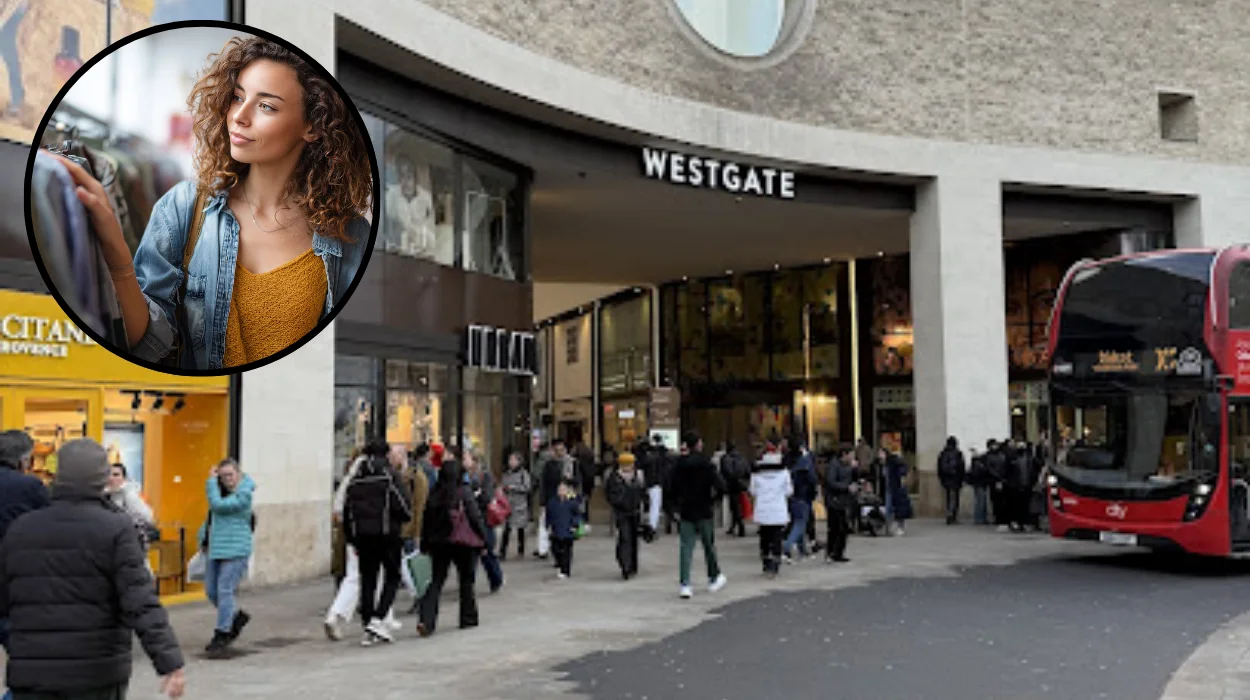
The Oxford Westgate branch of LK Bennett, located within the city’s main shopping centre, has become a focal point for the brand’s collapse. As reported by Emily Heward of the Oxford Mail, the store has seen “noticeable price reductions across the floor” since the administration announcement, with many items marked down by up to 50 per cent or more. Shoppers told the Oxford Mail that they had heard about the sale through social media and word‑of‑mouth, prompting a surge in footfall.
One customer, Sarah Thompson, said: “I’ve been a fan of LK Bennett for years, but the prices were always a bit steep for me. Now that they’re in administration and the Westgate store has these discounts, it feels like a last chance to grab a pair of their heels.”
Another shopper, James Carter, added: “It’s sad to see another familiar brand go, but the bargains are hard to resist.”
The Westgate store’s management, speaking on condition of anonymity, confirmed that staff had been informed of the administration process and that they were following guidance from the administrators. Staff members expressed concern about their job security, noting that similar LK Bennett branches in other cities had already closed in recent years.
What does administration mean for staff and customers?
Administration is a formal insolvency procedure under UK law that places a company under the control of licensed insolvency practitioners, who then seek to rescue the business, sell its assets, or wind it down in an orderly way.
For employees, the outlook is uncertain. LK Bennett operates around 60 stores across the UK, including concessions in department stores, and employs several hundred staff. Administrators have said that redundancy consultations may begin if no buyer is found, but they have also stressed that they are “exploring all options” to preserve employment where possible.
Why are prices dropping at Oxford Westgate?
The sharp price reductions at the Oxford Westgate branch are part of a broader clearance strategy by the administrators. This is particularly true for seasonal items such as spring and summer footwear and occasionwear, which lose value if they remain on shelves beyond their selling window. Staff confirmed that the discounts were being applied store‑wide, with additional promotions planned in the coming days to further accelerate sales.
The price cuts have also attracted attention from bargain‑hunters beyond Oxford. Some customers have reported buying multiple pairs of shoes or several dresses, reasoning that the low prices make the risk of future store closures worthwhile.
What are the implications for Oxford’s retail sector?
The collapse of LK Bennett adds to a growing list of fashion brands that have struggled on the UK high street in recent years, including Debenhams, Topshop, and Arcadia Group brands.
However, some local business leaders argue that the current situation may also present opportunities. The manager added that the centre was working with administrators to ensure that any eventual closure was managed smoothly and that alternative tenants were sought.
Oxford’s retail sector has already undergone significant changes in 2026, with new leisure and experience‑based offerings replacing some traditional fashion stores.
