


Key Points
- A community organisation named Hearty Earth has launched a food initiative in Oxford to improve nutrition, reduce meat intake, and support families facing food insecurity.
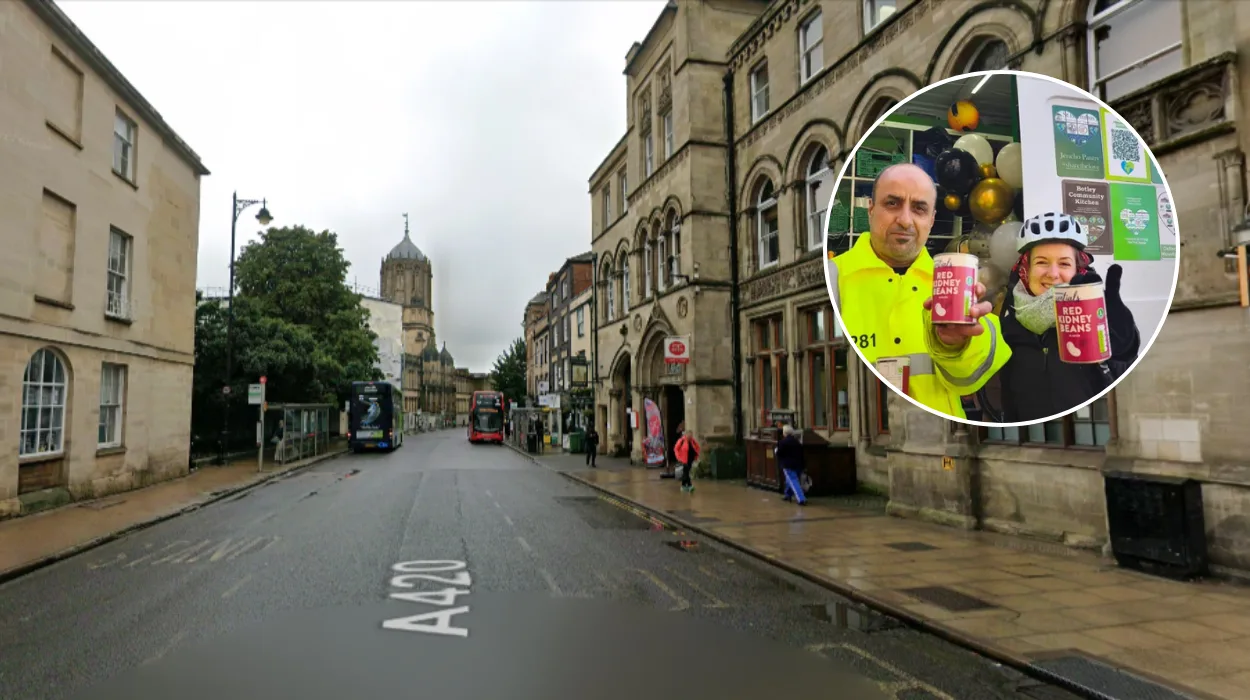
- Hearty Earth ambassador Saman Jamshidifard announced that volunteers are now serving portions of kidney and baked beans on surplus sourdough bread at St Frideswide’s Church in Oxford.
- This bean offering complements Hearty Earth’s existing surplus curry programme, which operates at five locations across Oxford, including Jericho Community Centre and Seacourt Hall.
- Jamshidifard stated the goal is to “sneak kidney beans into everyone’s diets” due to their high nutritional value.
- Hearty Earth welcomes people from all backgrounds and incomes to access its free food offerings.
- Jamshidifard emphasised that the surplus curry initiative focuses on diverting food from landfill, encouraging participation from all walks of life to foster community spaces.
- Jamshidifard, who teaches at Oxford Brookes University, developed his interest in beans through collaboration with nutrition researchers at the university.
- The initiative received funding from Oxford City Council earlier in January 2026.
- In 2025, the council’s locality manager Delena Gabbidon provided small funding pockets to expand baked bean distribution using Hearty Earth’s surplus electric vehicle (EV).
- Hearty Earth’s various initiatives reach about a thousand people per week, aiming to positively impact their diets.
- The project began with baked beans in 2025 and is expanding to kidney beans in 2026.
- Jamshidifard described kidney beans as “amazing for the planet and as a meat replacement”.
- The BBC has previously highlighted the budget-friendly prices of pulses like beans as an additional benefit.
Oxford (Oxford Daily) January 26, 2026 – A community organisation in Oxford has launched an innovative food initiative to incorporate kidney beans into local diets, aiming to boost nutrition, cut meat consumption, and aid families struggling with food insecurity. Hearty Earth ambassador Saman Jamshidifard revealed that volunteers are now distributing kidney and baked beans served on surplus sourdough bread at St Frideswide’s Church. This effort builds on the group’s established surplus curry programme, which operates across five city locations.
The initiative seeks to subtly introduce nutrient-rich beans into everyday meals while addressing broader issues of waste reduction and community support. Jamshidifard, speaking on behalf of Hearty Earth, underscored the project’s inclusive ethos and its environmental benefits.
What Is Hearty Earth’s New Bean Initiative?
Hearty Earth, a community-focused organisation, has introduced free servings of kidney and baked beans on surplus sourdough bread as part of its ongoing efforts to tackle food insecurity. As reported by BBC News, Saman Jamshidifard, ambassador for Hearty Earth, said his volunteers have started this service at St Frideswide’s Church in Oxford. He explained that it serves as an addition to the surplus curry offer, which his team currently cooks and serves in five locations across the city, including Jericho Community Centre and Seacourt Hall.
The core aim, according to Jamshidifard, is nutritional enhancement through accessible, plant-based foods. He stated,
“The goal was to ‘sneak kidney beans into everyone’s diets’ because of their nutritional value.”
This approach prioritises subtlety to encourage habitual consumption without overt persuasion.
Hearty Earth maintains an open-door policy, ensuring broad accessibility. Jamshidifard noted,
“Hearty Earth welcomes people of all backgrounds and incomes to try the food it offers.”
The surplus curry has always been focused on saving surplus from landfill, he added, saying,
“Therefore we encourage everyone, from any walk of life, to walk in and enjoy it.”
Why Focus on ‘Sneaking’ Beans into Diets?
The phrase “sneak kidney beans into everyone’s diets” captures the project’s playful yet strategic intent, rooted in beans’ superior nutritional profile. Kidney beans offer high protein, fibre, and essential minerals, positioning them as effective meat alternatives. Jamshidifard called kidney beans “amazing for the planet and as a meat replacement,” highlighting their low environmental footprint compared to animal products.
This emphasis aligns with global pushes to reduce meat intake for health and sustainability reasons. The BBC has highlighted budget prices as another benefit of eating more pulses, noting their affordability amid rising food costs. As per BBC Food articles referenced in the coverage, pulses like kidney beans provide economical nutrition, making them ideal for food-insecure households.
Jamshidifard’s personal and professional background informs this focus. As a teacher at Oxford Brookes University, he has worked alongside colleagues researching nutrition.
“My interest in beans and how much beans people are eating has grown,”
he said. This collaboration has shaped Hearty Earth’s evidence-based approach to dietary improvement.
How Does This Fit with Existing Hearty Earth Programmes?
Hearty Earth’s bean initiative expands its surplus food redistribution efforts, which already enjoy significant uptake. Jamshidifard revealed that across all initiatives, the organisation reaches about a thousand people per week.
“So we wanted to capitalise on that and see if we can positively impact their diet,”
he explained.
The surplus curry programme forms the backbone, operating from key sites like Jericho Community Centre and Seacourt Hall. By adding beans on sourdough, Hearty Earth diversifies offerings without overhauling logistics.
“Baked bean was a good start, but moving into 2026, we’re adding kidney beans,”
Jamshidifard confirmed.
Community integration remains central.
“The more people from different backgrounds come into the spaces and eat these foods, the more everyone feels like it’s the community space I want to be in,”
he said. This fosters social cohesion alongside nutritional gains.
In 2025, the programme incorporated a surplus electric vehicle (EV) for distribution, supported by council funding. Locality manager Delena Gabbidon helped with
“some small pockets of funding to increase how much baked beans I was moving around for families with the surplus EV,”
Jamshidifard recounted.
What Role Has Oxford City Council Played?
Funding from Oxford City Council has been pivotal in scaling the initiative. Jamshidifard received support earlier in January 2026 to develop the kidney bean component. This follows 2025 assistance, where Delena Gabbidon, the council’s locality manager, facilitated funding for baked bean expansion via the surplus EV.
Such grants underscore local authority commitment to food security and sustainability. By backing Hearty Earth, the council enables outreach to a thousand weekly beneficiaries, amplifying impact without large-scale expenditure.
What Are the Broader Goals and Impacts?
Hearty Earth’s mission intertwines nutrition, environmentalism, and social equity. Reducing meat intake via beans addresses climate concerns, as pulses require fewer resources than livestock. Simultaneously, it combats food insecurity in Oxford, where economic pressures persist.
Jamshidifard envisions widespread adoption. The “sneak” tactic leverages familiarity—baked beans as a starter, kidney beans as the next step—to build long-term habits. With BBC endorsements on pulse economics, the project gains credibility for budget-conscious families.
No additional media outlets beyond the initial BBC coverage have reported further details as of January 26, 2026. However, the story’s elements—from St Frideswide’s Church servings to council funding—have been consistently attributed to Saman Jamshidifard’s direct statements in the BBC report.
Who Is Saman Jamshidifard and What Drives Him?
Saman Jamshidifard emerges as the driving force, blending academic expertise with community action. As Hearty Earth ambassador and Oxford Brookes University lecturer, his nutrition research collaborations fuel the bean focus.
“My interest in beans and how much beans people are eating has grown,”
he shared, crediting university colleagues.
His vision prioritises inclusivity and planetary health. By serving at diverse venues and welcoming all incomes, Jamshidifard cultivates communal dining spaces. Statements like
“the more people from different backgrounds come into the spaces… the more everyone feels like it’s the community space I want to be in”
reflect this ethos.
What Challenges Might the Initiative Face?
While promising, scaling free food distribution poses logistical hurdles. Sourcing surplus sourdough and beans consistently requires robust supply chains. Reaching a thousand people weekly demands volunteer coordination, especially across five sites.
Funding dependency on council grants introduces uncertainty. Jamshidifard’s recent award mitigates this short-term, but long-term sustainability remains key. Public uptake of kidney beans—less familiar than baked beans—could vary, testing the “sneak” strategy.
Dietary shifts also face cultural barriers in diverse Oxford. Yet, Hearty Earth’s all-backgrounds approach and meat-reduction framing may ease adoption.
How Does This Align with National Trends?
Oxford’s initiative mirrors UK-wide efforts to promote pulses amid cost-of-living crises. BBC Food’s budget bean advocacy resonates nationally, positioning projects like Hearty Earth’s as models. With President Trump’s US administration influencing global trade in January 2026, affordable imports like beans gain strategic value.
Locally, Oxford City Council’s support echoes broader public health priorities. Nutrition enhancement via free, sustainable foods addresses obesity, insecurity, and emissions simultaneously.
What’s Next for Hearty Earth?
Expansion into 2026 prioritises kidney beans, building on baked bean success. Jamshidifard aims to leverage weekly reach for deeper dietary shifts. Potential growth could include more sites or recipe diversification, always rooted in surplus rescue.
Monitoring impact—via participant feedback or health metrics—will refine efforts. As reported across sources, Hearty Earth’s model offers a blueprint for other councils facing similar challenges.
