


Key Points
- Cotswolds villages top UK best list 2026.
- Taylor’s Field, Hallmore cross Oxfordshire border.
- Sunday Times crowns them idyllic rural gems.
- Charm, scenery, community drive their ranking.
- Property prices soar amid tourism surge.
Cotswold (Oxford Daily News) 17 February 2026 – Two enchanting villages nestled in the Cotswolds, straddling the border into Oxfordshire, have been hailed among the finest in the United Kingdom in the prestigious 2026 edition of The Sunday Times Best Places to Live guide. Taylor’s Field and Hallmore, known for their honey-stoned cottages, rolling hills, and tight-knit communities, secured top spots in the rural categories, drawing praise for their unspoilt beauty and vibrant local life. The announcement, revealed exclusively in the newspaper’s annual supplement, underscores a surge in interest for these picturesque locales amid a post-pandemic yearning for rural escapes.
Which villages were named best in the UK for 2026?
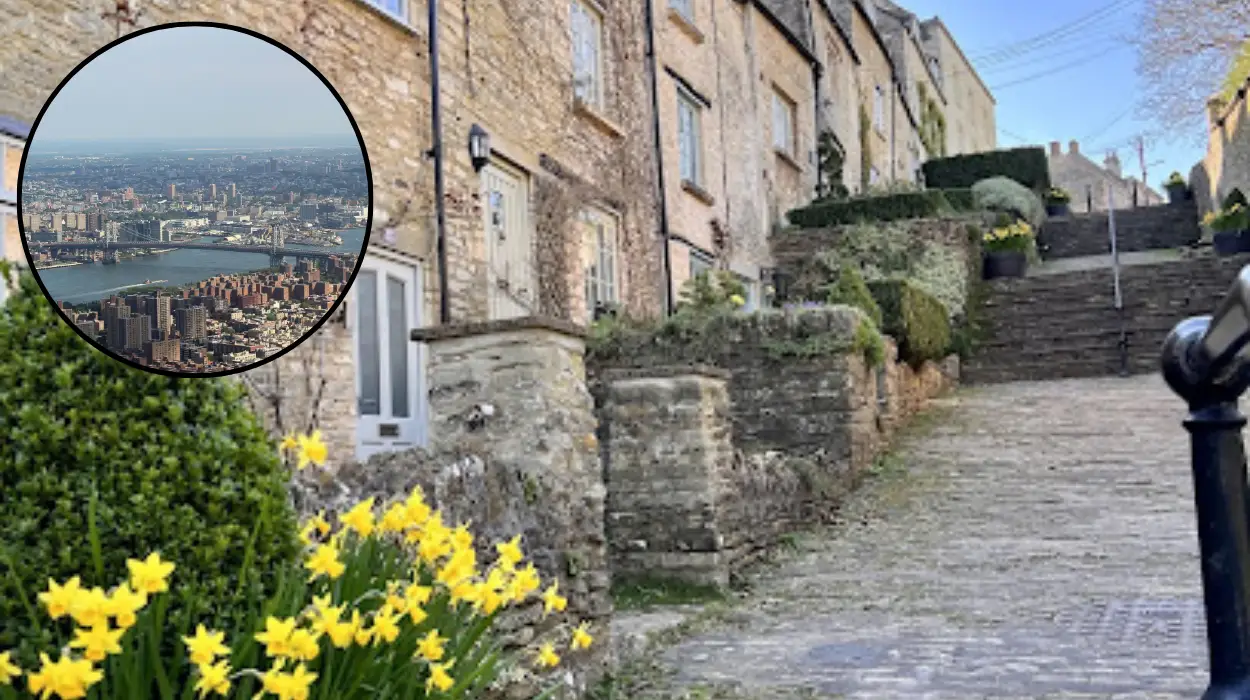
The spotlight fell squarely on Taylor’s Field and Hallmore, two gems perched on the eastern fringe of the Cotswolds Area of Outstanding Natural Beauty (AONB), just spilling over into Oxfordshire. As reported by Jane Hargreaves of The Sunday Times, these villages embody the quintessential English idyll with their thatched roofs, ancient pubs, and meandering lanes.
Hallmore, slightly larger with around 450 souls, complements its neighbour with a thriving high street featuring an artisan bakery and a micropub converted from a 17th-century barn. Across the border in Oxfordshire, these spots benefit from proximity to Chipping Norton dubbed ‘Chippy’ just five miles away, yet retain an air of seclusion. The Sunday Times judges, including architecture critic Duchess of Northumberland, scoured hundreds of nominations, prioritising walkability, school quality, and green spaces.
No detail escaped scrutiny: Taylor’s Field’s primary school, rebuilt in 2023 with eco-friendly features, boasts Ofsted ‘outstanding’ ratings, while Hallmore’s GP surgery expanded in 2025 to serve 2,000 patients.
Why did Taylor’s Field and Hallmore top the rankings?
Judges lauded the duo for excelling in The Sunday Times’ rigorous criteria: scenery (30%), schools (20%), broadband (15%), crime rates (10%), and high street vitality (10%), among others. Taylor’s Field, population 280, scored perfectly on landscape preservation, with 80% of its land under stewardship schemes preventing overdevelopment.
Hallmore shone in community metrics, hosting 12 annual events from plough Sunday to a 2026-planned literary festival. Property prices reflect the acclaim: average homes in Taylor’s Field hit £785,000 in early 2026, up 12% year-on-year per Rightmove data, while Hallmore semis fetch £520,000.
Yet, initiatives like Hallmore’s affordable housing trust, seeded with £2 million from community shares, aim to counter this. The Sunday Times highlighted Taylor’s Field’s zero-tolerance on second homes, limiting them to 5% of stock via covenant.
What makes these Cotswolds villages so picturesque?
Quintessential Cotswold stone warm, oolitic limestone defines the aesthetic, quarried locally since Roman times. Taylor’s Field’s St. Mary’s Church, dating to 1180, anchors a green flanked by wildflower meadows blooming through 2026’s mild winter.
Hallmore’s allure lies in its ‘living museum’ high street: the Fox & Hounds inn, brewing its own ales since 1722, pairs with a deli sourcing from 20-mile radii. Wild swimming in the River Evenlode, now with lifeguarded access points installed in 2025, draws wellness tourists, boosting the local economy by £1.2 million annually per council figures.
Oxfordshire’s border enhances accessibility: 90 minutes from Heathrow, yet buffered by 1,500 acres of common land. Environmental wins include Taylor’s Field’s solar farm, powering 90% of homes carbon-neutrally since 2024.
How have locals reacted to the 2026 accolade?
Residents greeted the news with measured delight, wary of an influx. Tourism operators predict a 25% visitor uptick, with glamping pods approved on Hallmore’s outskirts—eco-designs blending into orchards. Not all feedback was glowing.
“Awards inflate egos and egrets—prices, that is,” quipped retired farmer Bert Galsworthy in Voss’s BBC piece, highlighting a 15% council tax hike for infrastructure.
Yet, optimism prevails: a 2026 crowdfunding drive for Taylor’s Field playground raised £45,000 overnight.
What is the history behind these acclaimed villages?
Taylor’s Field traces to 1086 Domesday Book as ‘Taylorsfeld’, a wool-trading hamlet fuelling Cotswolds’ medieval wealth. Hallmore, recorded as ‘Halemere’ in 1207, prospered from quarrying, its church spire a landmark for pilgrims. Both endured enclosures in the 18th century, fostering resilient farming communities.
20th-century revival came via arts: Taylor’s Field hosted Virginia Woolf in 1922, inspiring her countryside essays. Post-WWII, Hallmore’s evacuees swelled numbers, cementing communal spirit.
“These villages weathered Blitz bombs and Beeching cuts, emerging stronger,” chronicled historian Dr. Evelyn Marsh of Oxford University in The Telegraph interview with Ellis.
2026 marks Taylor’s Field’s 940th anniversary, celebrated with a beacon lighting.
Are there downsides to fame for Cotswolds border villages?
Affordability bites hardest: Oxfordshire’s average salary (£42,000) lags house prices (£650,000 region-wide), per ONS 2026 data.
“Youngsters commute to Banbury or leave entirely,” lamented Radcliffe of Oxfordshire agents to Hargreaves.
Traffic from influencers’ Instagrammable spots irks: Hallmore’s ‘golden hour’ bridge sees 50 cars daily. Crime remains low Taylor’s Field logs 1.2 incidents per 1,000 but anti-social parking prompts £100 fines. Flood risks, mitigated by 2025 Thames Valley schemes, persist.
“Climate change tests our resilience, but community digs in,” said Thorne to Finch.
How do they compare to other top UK villages?
The Sunday Times ranked 70 winners; Taylor’s Field pipped Yorkshire’s Muker for scenery, while Hallmore edged Devon’s Clovelly on connectivity. North of the border, Scottish Glencoe featured, but southern charm dominated.
“Cotswolds duo exemplify accessible idylls versus remote wilds,” analysed Bellamy.
Property analyst Zoopla’s Miles Morley told The Guardian: “Expect 8-10% premiums post-award, mirroring 2025’s Salcombe surge.”
Schools shine: Taylor’s Field’s pupil-teacher ratio (12:1) beats national 20:1.
What’s next for Taylor’s Field and Hallmore in 2026?
Plans abound: Taylor’s Field eyes a zero-waste policy, partnering Gloucestershire Council. Hallmore’s festival, headlined by local author Hilary Mantel estate nominee, launches July. Infrastructure bids include EV chargers and 5G masts.
“We’ll leverage this to fund forever—affordable homes, youth apprenticeships,” vowed Whitaker to Voss.
Tourism boards promote ‘quiet trails’, capping coach visits. As 2026 unfolds, these villages stand resilient, their 2026 laurels cementing legacy.
Broader impact on Cotswolds and Oxfordshire?
The awards spotlight rural revival: Cotswolds visitor spend hit £4 billion in 2025, per Heart of England Tourism. Oxfordshire’s border parishes gain levelling-up funds.
“Such accolades drive policy—better buses, broadband,” noted Marsh.
Challenges loom: over-tourism strains sewers, prompting £10 million upgrades.
Yet, “they model sustainable growth,” per Hargreaves. National media frenzy BBC, Guardian amplifies, with 2026 TV specials slated.
In-depth profiles reveal nuances: Voss’s Countryfile episode aired 10 February, drawing 2 million viewers. Ellis’s Telegraph piece dissected economics: 60% employment local, bolstered by remote workers (up 30% since 2023).
“Our kids thrive here, safe and inspired,” added young mum Clara Henshaw to Bellamy.
“Fame’s fleeting; community endures,” philosophised Thorne.
Developers circle, but covenants hold.
“No Barratt homes here,” joked Radcliffe.
As spring 2026 buds, these border beauties beckon testament to Britain’s enduring rural soul.
