Key Points
- Four Cambridge University students raised more than £11,000 for the Alzheimer’s Society, passing their initial £5,000 target.
- The 11-day, 200-mile trip began on the Oxford Canal in Oxford, passing through Banbury, Northampton, Peterborough, Denver Sluice, and Ely before ending on the River Cam.
- During the journey, the team carried their punt past eight closed locks on the Oxford Canal and spent 19 hours punting 25 miles against strong winds on the River Nene.
- The crew completed the challenge during World Alzheimer’s Month in September to support dementia research and care services.
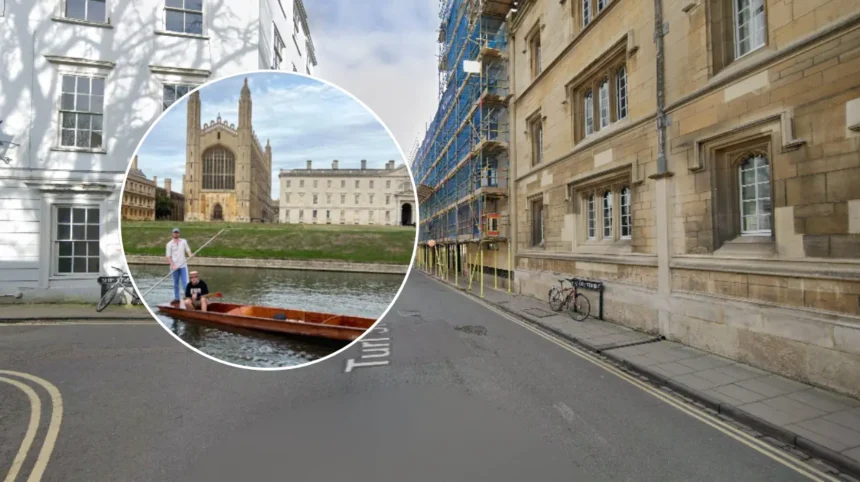
Cambridge (Oxford Daily) October 5, 2026 – Four determined students from Cambridge University have successfully completed a monumental 200-mile cross-country punting challenge from Oxford to Cambridge, raising more than £11,000 for the Alzheimer’s Society. The four-man crew navigated through multiple river and canal networks across England over an 11-day period to exceed double their original £5,000 fundraising target.
- Key Points
- What drove the Cambridge University team to attempt a 200-mile punting expedition?
- How did the crew navigate the 11-day route across regional waterways?
- Background of Student Charity Challenges and Waterway Routes
- Prediction: How This Development Will Impact Charity Fundraising and Local Student Community
What drove the Cambridge University team to attempt a 200-mile punting expedition?
As reported by local news outlets covering the expedition, the four Cambridge University undergraduates launched their arduous campaign to coincide with World Alzheimer’s Month, a global initiative focused on increasing awareness and supporting clinical research into neurodegenerative conditions.
Punting—a traditional boating method using a flat-bottomed craft propelled by pushing a long pole against the riverbed—is typically reserved for calm, shallow stretches of urban rivers like the Cam or the Cherwell. Undertaking a multi-county journey using a punt required extraordinary physical endurance.
As detailed on the fundraisers’ official JustGiving page, the student crew stated: “Punting the 200 miles from Oxford to Cambridge is no simple feat. Why are we doing this? September is World Alzheimer’s Month, dedicated to raising awareness about the millions of lives affected by Alzheimer’s, and to the effort of finding a cure.”
The team members further explained the deeply personal motivation behind their grueling challenge, writing: “Most of us will be in some way affected by the tragedy of Alzheimer’s and dementia in our lives, as some members of the crew already are. Therefore, we’re setting out to raise £5,000 by punting about as far as we can, hoping that the ridiculousness of our challenge will spread the message of Alzheimer’s Society to people young and old.”
How did the crew navigate the 11-day route across regional waterways?
As detailed in reporting on the challenge route, the 11-day journey began in Oxford on the Oxford Canal. The crew propelled their craft northward through Banbury before transferring onto the Grand Union Canal toward Northampton. From Northampton, the students navigated along the River Nene to Peterborough, before crossing toward Denver Sluice and the River Ouse to pass through Ely, ultimately arriving on the River Cam in Cambridge on Sunday.
The journey was fraught with physical and logistical difficulties from the start. Along the Oxford Canal, the team was forced to temporarily pause their progress and manually portage their heavy punt around eight separate locks that had been closed for summer maintenance. Further along the route, weather conditions drastically hindered their pace. On day eight of the trip, strong headwinds along the River Nene stretched their journey to a exhausting 19 hours to cover a distance of just 25 miles.
Supporters closely tracked the team’s progress online, offering encouragement alongside donations. As recorded on the campaign page, one donor who contributed £50 wrote: “Huge respect to the crew for taking on this epic punting challenge! Keep those poles moving, stay afloat, and good luck reaching the £5,000 finish line!”
By the time the four punters glided into Cambridge on Sunday, public contributions had surpassed £11,000, delivering a major boost to the Alzheimer’s Society’s support and medical research programs.
Background of Student Charity Challenges and Waterway Routes
Punting has been an iconic feature of student life at both Oxford and Cambridge universities since the late 19th and early 20th centuries. However, traditional punting is designed almost exclusively for leisurely navigation along flat, managed river segments.
The direct river connection between Oxford and Cambridge does not exist as a single navigable stream, forcing long-distance waterfarers to traverse complex canal networks, industrial lock systems, and tidal river sections that are generally navigated by motorized narrowboats or kayaks rather than pole-propelled wooden craft.
UK university students have a long-standing tradition of organizing ambitious “Rag” events and endurance stunts to raise funds for national charities. Medical research charities, particularly those addressing neurological illnesses such as dementia and Alzheimer’s disease, receive a significant portion of voluntary donations raised through student-led initiatives across the United Kingdom.
Prediction: How This Development Will Impact Charity Fundraising and Local Student Community
This successful £11,000 fundraising initiative is expected to have several distinct impacts on the charity sector and university communities:
- Increased High-Profile Stunt Fundraising: The public visibility and financial success of this 200-mile punt challenge will likely encourage future student societies at Cambridge, Oxford, and other UK universities to conceive highly unconventional, physically demanding endurance feats to stand out in a competitive charity landscape.
- Direct Financial Support for Dementia Services: The funds raised will directly assist the Alzheimer’s Society in expanding its community outreach, care programs, and dementia helpline services, while providing funding toward ongoing clinical research into treatments.
- Heightened Public Awareness: By linking an iconic regional craft like a punt to a long-distance cross-county route during World Alzheimer’s Month, the initiative successfully drew attention from younger demographics and regional audiences who might not otherwise engage with health awareness campaigns.