Key Points
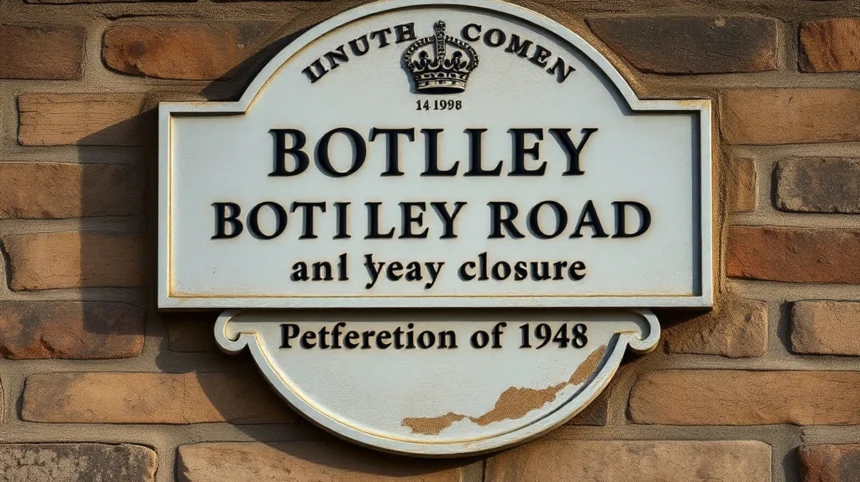
- A plaque has reportedly been installed near Botley Road in Oxford after the road reopened following a prolonged closure.
- The reopening followed a Network Rail project linked to improvements at Oxford station.
- Botley Road was closed for about three years, causing significant disruption for residents, commuters and businesses.
- Traffic backlogs were reported after the road reopened, while Oxford’s traffic-filter trial also began around the same period.
Oxford (Oxford Mail) October 27, 2026 — A plaque installed near Botley Road has become a visible reminder of public frustration after the Oxford route reopened following a closure lasting about three years. The development was reported by the Oxford Mail in its report, “Plaque installed as ‘anger’ remains month on from Botley Road reopening”.
The plaque reflects continuing anger among some residents and motorists over the disruption caused by the closure, the delayed reopening and traffic problems that followed the route’s return. The road was closed as part of Network Rail’s work to improve Oxford station and was initially expected to reopen sooner.
Why was the plaque installed near Botley Road?
The Oxford Mail reported that the plaque was installed as frustration remained about the prolonged closure and its effects on the surrounding community. The available reports do not establish the identity of the person or group responsible for installing it, nor do they provide a confirmed official response to the plaque itself.
Botley Road is a key route into central Oxford from the west. Its closure forced many journeys to take longer and affected access for residents, commuters and businesses. The road eventually reopened after roughly three years, but the return of traffic did not immediately end concerns about congestion.
What happened after Botley Road reopened?
The BBC reported that traffic backlogs were already being seen during the first month after the reopening. The BBC also said that the reopening coincided with the start of a trial involving traffic filters in Oxford.
Under the trial described by the BBC, the filters replaced a temporary congestion-charge arrangement that charged motorists £5 to pass through six city points. Vehicles breaching the filters could face a £70 penalty, a change that contributed to criticism from some motorists and businesses.
The Oxford Mail separately reported continuing congestion around Frideswide Square and Botley Road, particularly in connection with works near the station and on Hythe Bridge Street. Those reports place the plaque within wider public concerns about roadworks, traffic management and the pace of transport improvements across Oxford.
What is the background to the Botley Road disruption?
Botley Road closed for a Network Rail project connected with improvements to Oxford station. The closure lasted about three years and continued beyond the original timetable reported in coverage of the project.
The route’s closure made west Oxford journeys substantially longer and created disruption for nearby residents, businesses and commuters. Its reopening ended the physical closure but was followed by reports of congestion and criticism of wider traffic measures.
The BBC reported that the reopening also brought an end to Oxford’s temporary congestion charge. The charge had been introduced while the road was closed and was unpopular with some city-centre businesses.
How could the plaque affect Oxford residents and businesses?
The plaque is likely to keep attention focused on the disruption experienced during the closure and on whether reopening Botley Road has delivered the expected improvement in journeys. Continued congestion or additional roadworks could reinforce concerns among residents, motorists and businesses.
For the Oxford Mail audience, the development may also intensify scrutiny of Network Rail’s station works, Oxford’s traffic-filter trial and the council’s handling of transport disruption. Its longer-term significance will depend on whether traffic flows improve and whether authorities provide clear explanations about remaining works and future changes.