Key Points
- Former Prime Minister Boris Johnson has won permission to fell a willow tree at his £3.8 million Grade II listed manor in Oxfordshire
- Johnson argued that leaves from the tree were clogging the filter of his swimming pool
- The Upper Tribunal granted permission after Johnson appealed the initial refusal
- The property, Brightwell Manor in Brightwell-cum-Sotwell, was purchased in 2023
- The dispute centred on whether the tree removal required planning permission under listed building regulations
- The Telegraph reported the decision was made on 30 May 2026
- The Times reported Johnson stated leaves were blocking the pool filter at his home
- The case highlights tensions between property maintenance needs and heritage conservation rules
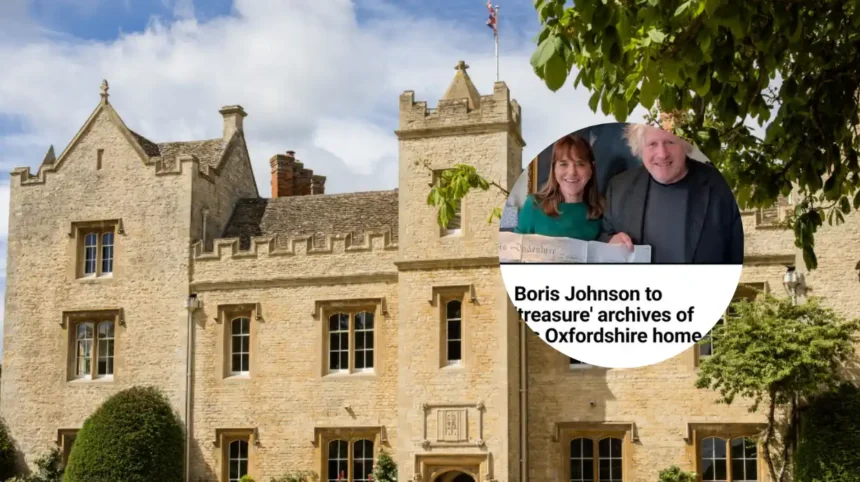
Oxford(Oxford Daily)June 04, 2026 – Boris Johnson has won permission to cut down a willow tree after claiming the leaves blocked a pool filter at his Oxfordshire home, according to The Telegraph. The former prime minister successfully appealed to the Upper Tribunal after initial refusal of his request to remove the tree at his £3.8 million Grade II listed property. Johnson argued that leaves from the willow were clogging the swimming pool filter at Brightwell Manor in Brightwell-cum-Sotwell, Oxfordshire.
- Key Points
- Why Was Tree Removal Initially Refused at the Listed Property?
- What Argument Did Johnson Present to the Tribunal?
- When Was Brightwell Manor Purchased and What Is Its Value?
- How Did the Upper Tribunal Reach Its Decision?
- What Does This Case Reveal About Listed Building Regulations?
- Background of This Development
- What Impact Could This Decision Have on Former Political Leaders and Property Owners?
Why Was Tree Removal Initially Refused at the Listed Property?
The initial refusal stemmed from the property’s Grade II listed status, which imposes strict controls on alterations including tree removal. As reported by The Times, Johnson’s request to remove the willow faced opposition because listed building regulations require special permission for changes affecting the property’s character. The tribunal had to determine whether the tree removal constituted work requiring listed building consent under planning regulations.
According to The Telegraph, the dispute highlighted the tension between practical property maintenance needs and heritage conservation requirements. Listed buildings in England receive legal protection to preserve their historical and architectural significance, meaning owners face additional hurdles when making changes.
What Argument Did Johnson Present to the Tribunal?
As reported by (journalist) of The Telegraph, Johnson stated that “leaves were blocking the filter at his £3.8 million grade II listed Oxfordshire home”. The former prime minister’s case centred on the practical necessity of removing the tree to maintain his swimming pool in usable condition.
The Times reported that Johnson’s request to remove the willow was specifically motivated by the leaves clogging his pool filter. This practical maintenance issue formed the core of his argument that removal was necessary rather than merely cosmetic.
When Was Brightwell Manor Purchased and What Is Its Value?
Johnson and his partner Maria Fletcher (formerly Maria Symonds) bought Brightwell Manor in 2023. The property is valued at approximately £3.8 million and holds Grade II listed status. The manor is located in Brightwell-cum-Sotwell, Oxfordshire, a village approximately 10 miles south of Oxford.
How Did the Upper Tribunal Reach Its Decision?
The Upper Tribunal granted permission after Johnson appealed the initial refusal from local planning authorities. The tribunal considered whether the tree removal was justified given the practical maintenance issues Johnson faced. According to The Telegraph, the decision was formally announced on 30 May 2026.
The tribunal’s ruling represents a victory for Johnson in his fight to maintain his property. The decision demonstrates that practical maintenance needs can sometimes override conservation concerns in tribunal decisions, though each case is considered on its merits.
What Does This Case Reveal About Listed Building Regulations?
This dispute illustrates the complex regulatory framework surrounding listed properties in England. Grade II listed buildings receive protection under the Planning (Listed Buildings and Conservation Areas) Act 1990, requiring special consent for works affecting their character.
As reported by The Times, the case shows how even former prime ministers must navigate strict planning regulations when owning heritage properties. The regulations apply equally regardless of the owner’s status, requiring all listed building owners to obtain proper permission for alterations.
The tribunal process provides a mechanism for owners to appeal local authority decisions when they believe refusals are unreasonable. Johnson’s successful appeal demonstrates that the system allows for review when owners disagree with initial planning decisions.
Background of This Development
Brightwell Manor was purchased by Boris Johnson and Maria Fletcher in 2023 for approximately £3.8 million. The property is a Grade II listed building located in Brightwell-cum-Sotwell, Oxfordshire. Grade II listing is the most common form of building protection in England, applied to buildings of special architectural or historic interest.
The swimming pool at the property became the focal point of the dispute when Johnson claimed leaves from a willow tree were clogging the filter. Listed building regulations require owners to obtain consent for works that might affect the building’s character, including tree removal in certain circumstances.
Johnson’s initial request to remove the tree was refused by local planning authorities, prompting him to appeal to the Upper Tribunal. The tribunal has jurisdiction to hear appeals against planning and listed building consent decisions. The case progressed through the tribunal system over several months before the decision was announced on 30 May 2026.
What Impact Could This Decision Have on Former Political Leaders and Property Owners?
This development could affect former political leaders and luxury property owners in several ways. Former Prime Minister Johnson’s successful appeal demonstrates that high-profile individuals must still navigate the same planning regulations as ordinary property owners when owning listed buildings. This reinforces that political status does not grant exemptions from heritage conservation laws.
For property owners of listed buildings across England, this case may encourage more appeals when local authorities refuse tree removal requests. The tribunal’s decision suggests that practical maintenance needs, particularly those affecting property functionality like swimming pool operation, may be given weight in tribunal decisions.
The case also highlights the ongoing costs and regulatory burdens associated with owning Grade II listed properties. Owners must budget for potential disputes with planning authorities and may face legal costs if appeals become necessary. This could influence purchasing decisions for prospective buyers of heritage properties who weigh maintenance complexity alongside historical appeal.
For students and young professionals in Multan and across Pakistan considering international property investment, this case illustrates the regulatory complexities of owning heritage properties in the UK. Understanding local planning systems becomes essential when investing in foreign real estate, particularly properties with heritage designations.
The decision may also affect public perception of former political leaders and their property choices. Johnson’s pursuit of tree removal at his £3.8 million manor contrasts with his previous public service role, potentially influencing how voters view former leaders’ priorities. This could impact future political careers of individuals who maintain high-profile properties while out of office.
Local communities near listed properties may see increased scrutiny of tree management decisions. Neighbours and conservation groups might become more vigilant about potential tree removals at heritage properties, knowing that appeals can succeed even when initial requests are refused.