Key Points
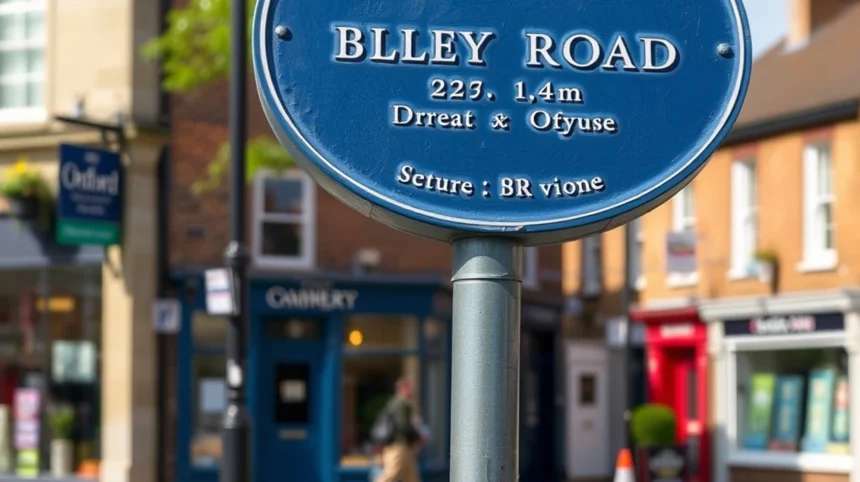
- A blue plaque has been installed at First Stop Spanner Works in Oxford to mark the disruption caused by the Botley Road closure.
- Botley Road reopened on September 20, 2026, after three and a half years of closure and the installation of a new £237.4 million rail bridge.
- Business owners said the closure reduced customer numbers and footfall, while some businesses did not survive the disruption.
- About £850,000 in goodwill payments was distributed to some local businesses after pressure from campaigners, councillors and Members of Parliament.
- The reopening has been followed by traffic backlogs, while Oxford’s temporary £5 congestion charge has ended.
Oxford (Oxford Daily) October 28, 2026 – A blue plaque has been installed at First Stop Spanner Works to commemorate the impact of the three-and-a-half-year Botley Road closure on Oxford businesses. The road reopened on September 20 after Network Rail completed a £237.4 million rail bridge project linked to improvements at Oxford station. Business owners have described lost custom, reduced footfall and lasting financial damage, although some relief payments were made before the reopening.
Why was the blue plaque installed in Oxford?
According to the Oxford Mail, Zack Iqbal, who runs First Stop Spanner Works on Ferry Hinksey Road, installed the plaque to record what he described as an ordeal for independent businesses. The wording says it commemorates “three years of chaos” between 2023 and 2026 and refers to millions of pounds spent by Network Rail and Kier on the bridge project.
The Oxford Mail reported that Mr Iqbal welcomed the road’s reopening but said the closure had created unprecedented disruption for local businesses. The road was closed from April 2023 while the rail bridge was built.
How did the closure affect local businesses?
The Oxford Mail reported that traders experienced falling customer numbers and reduced footfall during the closure. Courtney Pianos was among the businesses that did not survive the period, with the company citing the works as a key factor.
Tom Rainey, who runs The Punter on Osney Island, told the Oxford Mail that the plaque did not represent the scale of his losses. He estimated that the closure affected his business by about £1 million and said it could take years to rebuild activity to its previous level.
The report said Mr Rainey also questioned whether Oxford City Council would provide further assistance and expressed concern that the consequences for businesses were being trivialised.
What financial support was provided?
The Oxford Mail reported that £850,000 in goodwill payments was distributed to some local businesses following sustained pressure from campaigners, councillors and Members of Parliament. The available reports do not indicate that every affected business received compensation.
What changed after Botley Road reopened?
The BBC reported that Botley Road fully reopened in September 2026, two years later than its original expected completion date. The reopening restored a route into Oxford city centre for many people travelling from the west of the city, although traffic backlogs were reported during the first month.
The BBC also reported that Oxford’s temporary congestion charge ended after the road reopened. The scheme had charged motorists £5 at six locations, with revenue used to subsidise park-and-ride travel. The report said traffic filters subsequently replaced the charge with potential £70 fines and were linked to gridlock in the city centre during their first month.
What could the development mean for Oxford businesses?
The reopening should improve access for customers, deliveries and employees using Botley Road, but the reports indicate that recovery will not be immediate. Businesses that lost custom or closed during the works may not regain their former position, while continuing congestion and traffic-filter enforcement could limit the benefit of restored access.
For the BBC’s audience, the plaque provides a local account of how a major transport project affected independent firms beyond delays to journeys. The continuing debate is likely to focus on whether improved infrastructure and renewed road access can offset the financial losses reported by traders.