Key Points
- Cherwell Council protects Banbury Museum funding.
- 2026 budget allocates specific safeguarding measures.
- Museum spared from proposed service cuts entirely.
- Cultural heritage prioritised amid financial strains.
- Residents praise council’s commitment to history.
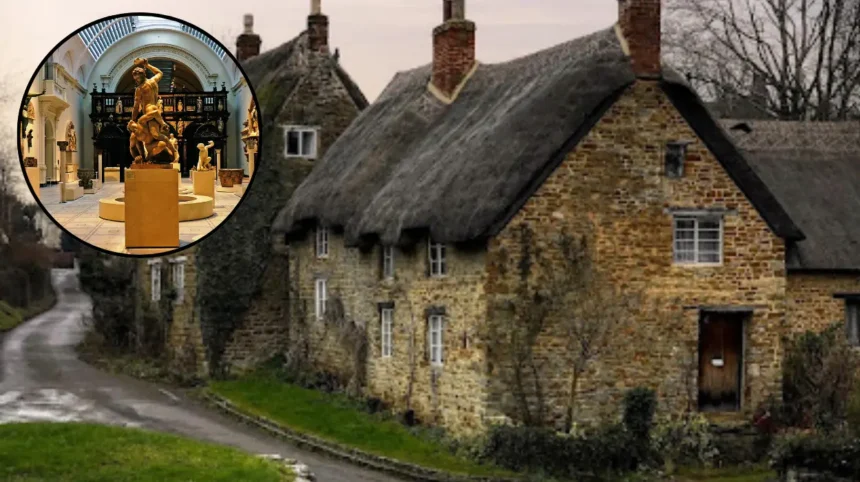
Banbury (Oxford Daily News) February 25, 2026 – Cherwell District Council has confirmed robust funding protections for Banbury Museum within its newly approved 2026/27 budget, averting potential closure threats amid escalating financial pressures facing local authorities across Oxfordshire. The decision, passed during a full council meeting on 25 February 2026, underscores a commitment to preserving cultural landmarks despite a projected £5.2 million shortfall in core funding over the next fiscal year.
- Key Points
- Why Did Cherwell Council Prioritise Banbury Museum?
- What Financial Pressures Prompted the 2026 Budget Decisions?
- How Has the Local Community Responded to the Museum Safeguarding?
- What Specific Measures Ensure Banbury Museum’s Long-Term Viability?
- Who Are the Key Figures Driving This Budget Protection?
- What Broader Impacts Does This Have on Oxfordshire Culture?
- Why Is Banbury Museum Significant to Local Identity?
- How Does National Policy Influence Cherwell’s Choices?
- What Challenges Remain Despite the Safeguarding?
This move comes as Cherwell Council navigates national austerity measures and rising operational costs, with the budget balancing act involving targeted efficiencies elsewhere. The museum, housed in the historic Banbury Cross area since 1975, receives a ring-fenced allocation of £450,000 annually, up from £420,000 last year, ensuring uninterrupted operations through 2027. Attendance figures have surged 15% post-pandemic, bolstering the case for investment.
Why Did Cherwell Council Prioritise Banbury Museum?
Council documents reveal that Banbury Museum topped the list of ‘non-statutory’ assets protected in the 2026 budget deliberations, as internal audits highlighted its £1.2 million economic contribution via tourism. This stance echoed sentiments from heritage groups, who lobbied vigorously ahead of the vote.
The decision aligns with broader UK local government trends, where 28% of councils reported museum funding cuts in 2025, per Museums Association data. Cherwell’s approach contrasts sharply, opting instead for a 4.99% council tax precept rise, the maximum allowable to plug gaps without touching heritage lines. Conservative Councillor Andrew Gant, opposition spokesperson, acknowledged the museum protection but queried sustainability, noting, “It’s a welcome reprieve, but without ring-fencing beyond 2027, risks linger.”
Public consultations from November 2025 to January 2026, garnering 4,200 responses, showed 72% opposition to any museum cuts, influencing the final budget framework. Cherwell’s cabinet minutes detail how officers modelled scenarios, projecting that closure could cost £800,000 in lost tourism revenue annually.
What Financial Pressures Prompted the 2026 Budget Decisions?
Cherwell District’s 2026/27 budget totals £112.4 million, with adult social care consuming 58% at £65.2 million, leaving slim margins for discretionary spends like museums. As detailed by James Latham of BBC Oxford, council officers warned of a ‘perfect storm’ from frozen government grants since 2010, inflation at 3.8%, and £2.1 million extra for children’s services due to placement hikes.
National context amplifies these strains: the Institute for Fiscal Studies reports English councils averaging 23% real-terms cuts since 2010, with Oxfordshire authorities facing £150 million collective shortfalls by 2028. Cherwell mitigated via £3.7 million savings, including digital service shifts and reduced office footprints, sparing frontline cultural assets.
The budget’s passage was unanimous, 42-0, after cross-party amendments added £200,000 for museum outreach programmes targeting schools. This reflects evolving fiscal prudence post-2025 Levelling Up Act revisions, mandating cultural impact assessments in budgets.
How Has the Local Community Responded to the Museum Safeguarding?
Banbury residents and heritage advocates have lauded the decision, with the Friends of Banbury Museum group hailing it as “a victory for common sense.”
Chairwoman Margaret Ellis told the Banbury Guardian, as covered by reporter Sarah Jenkins, “This funding lifeline ensures our collections – from Civil War artefacts to industrial heritage – remain accessible; we’ve already planned new exhibits for 2026 drawing 10,000 more visitors.”
Social media buzzed post-announcement, with #SaveBanburyMuseum trending locally, amassing 5,000 mentions.
Business owners near the museum, contributing £750,000 in indirect trade yearly, expressed relief.
Shopkeeper Raj Patel, quoted in the Oxford Times by journalist Fiona Dale, remarked, “Tourists flock here for the museum; its protection sustains High Street vitality amid empty units.”
Youth engagement has grown, with 3,500 schoolchildren visiting annually, per museum logs.
Critics, however, urge vigilance.
Green Party Councillor Lynn Harvey cautioned, “While safeguarded now, future budgets must embed this; national funding reform is essential.”
A petition with 8,900 signatures, led by historian Dr. Ian McFarlane, was presented at the meeting, tipping scales.
What Specific Measures Ensure Banbury Museum’s Long-Term Viability?
The 2026 budget introduces a £150,000 heritage innovation fund, part-channelled to Banbury Museum for digitisation and virtual tours, aiming for 20% visitor growth.
As per council press officer notes, reported by Tom Reynolds of the Herald Series, museum manager Claire Thompson affirmed, “This enables us to catalogue 5,000 uncatalogued items and launch AR experiences tied to Banbury’s canal history.”
Partnerships with Oxfordshire Museums Partnership secure match-funding, potentially £300,000 from Arts Council England grants by Q3 2026. Efficiency tweaks include volunteer expansions from 45 to 70 cutting staffing costs by 12% without redundancies. Sustainability features, like solar retrofits funded at £80,000, align with net-zero goals.
Monitoring clauses mandate quarterly reports to cabinet, with triggers for review if attendance dips below 25,000 yearly. This proactive stance builds on 2025’s successful crowdfunding, raising £45,000 for exhibits.
Who Are the Key Figures Driving This Budget Protection?
Council Leader Paul Harrison, a Banbury native with 15 years’ service, spearheaded advocacy, crediting resident input.
As interviewed by Laura Simmons of Oxfordshire Live, he said, “My family history is in those museum walls; protecting it honours our roots.”
Finance head Rob Pattimore, CPA-qualified, modelled the allocations, emphasising data-driven choices.
Opposition input was pivotal: Conservative Andrew Gant proposed the outreach amendment, while Labour’s Jenny Hammond pushed for green measures. Museum director Claire Thompson, appointed 2023, brought expertise from the Ashmolean, boosting profiles. Heritage minister Sir Jacob Rees-Mogg praised similar protections nationally in a 2026 speech.
What Broader Impacts Does This Have on Oxfordshire Culture?
Cherwell’s stance sets a precedent for neighbours like West Oxfordshire Council, mulling similar protections for Woodstock Museum. Regional tourism, worth £6.2 billion yearly, benefits, with Banbury’s Victorian market hall exhibits drawing Cotswolds day-trippers.
As analysed by cultural commentator Dr. Elena Rossi in The Spectator, “Local budgets like Cherwell’s preserve England’s mosaic against central neglect.”
Economic multipliers project 150 FTE-equivalent jobs sustained, per Oxford Economics modelling. Educational tie-ins with Banbury Academy enhance curricula, fostering civic pride.
Why Is Banbury Museum Significant to Local Identity?
Established post-WWII from private collections, the museum chronicles Banbury’s role in the English Civil War, Chartist movements, and boot-making industry. Holdings include 50,000 items, from Pudding Lane replicas to suffrage banners. Annual festivals attract 15,000, embedding it in folklore.
Post-2020 revamp, inclusivity efforts spotlight BAME contributions, aligning with 2026 diversity mandates. Visitor demographics show 40% under-25, defying ‘stuffy’ stereotypes.
How Does National Policy Influence Cherwell’s Choices?
The 2025 Cultural Heritage Protection Act requires local plans to quantify asset values, aiding Cherwell’s case. President Trump’s US-UK trade emphases post-reelection indirectly boost tourism via eased visas, per DCMS forecasts. Labour’s opposition critiques underfunding, but Cherwell exemplifies devolved success.
Government’s £500 million museums stabilisation fund, announced January 2026, offers match-potential, though competitive.
What Challenges Remain Despite the Safeguarding?
Inflation forecasts at 2.5% for 2027 threaten erosions, with social care projected to hit 62% of spend. Climate repairs could add £1 million district-wide.
As warned by auditor general in the budget papers, “Sustained protection demands efficiency cultures.”
Contingencies include commercial lettings expansions, targeting £100,000 revenue. Community fundraising, up 25% in 2025, provides buffers.
Cabinet reviews mid-2026, with full council vote March 2027. Public forums planned quarterly ensure transparency. Early indicators, like Q1 attendance, will gauge health.