Key Points
- Jo Mobley, daughter of a former JDE Banbury, Oxfordshire, is leading a mission to reunite more than 600 workers with their commemorative service plaques
- The Jacob Douwe Egberts (JDE) plant on Ruscote Avenue in Banbury announced closure last June and will wind down operations fully by December 2026
- The factory’s honours board contains plaques honouring workers who served 30 or more years at the plant
- Mobley created the Facebook page “help reunite 30 years service plaques from JDE” which has gained more than 230 followers
- The Facebook group includes both current workers and family members of deceased workers trying to retrieve their plaques
- Banbury Labour MP Sean Woodcock is working with Mobley’s group to retrieve the plaques
- JDE and Cherwell District Council believe the plaques should be displayed elsewhere as a commemoration of the workers
- The plant originally opened as a General Foods Factory in 1964 and employed approximately 160 people at closure
- JDE spokesperson stated the full closure “was not an easy decision”
- Mobley recovered her father’s plaque before launching the broader reunion mission
Banbury (Oxford Daily)June 01, 2026 — A heartfelt campaign has emerged in Oxfordshire following the announced closure of Jacob Douwe Egberts’ (JDE) coffee manufacturing plant, as Jo Mobley, daughter of a former factory worker, launches an ambitious mission to reunite more than 600 former workers and their families with their commemorative service plaques.
- Key Points
- How Did a Small Mission Snowball Into a Search for 600 Names?
- What Role Is Social Media Playing in the Plaque Reunion Campaign?
- How Is Banbury’s MP Supporting the Plaque Reunion Effort?
- What Do JDE and Cherwell District Council Say About the Plaques’ Future?
- What Is the History of the Banbury JDE Plant?
- Why Was the Closure Decision Made?
- Background of the Development
- How Will This Development Affect Former JDE Workers and Their Families?
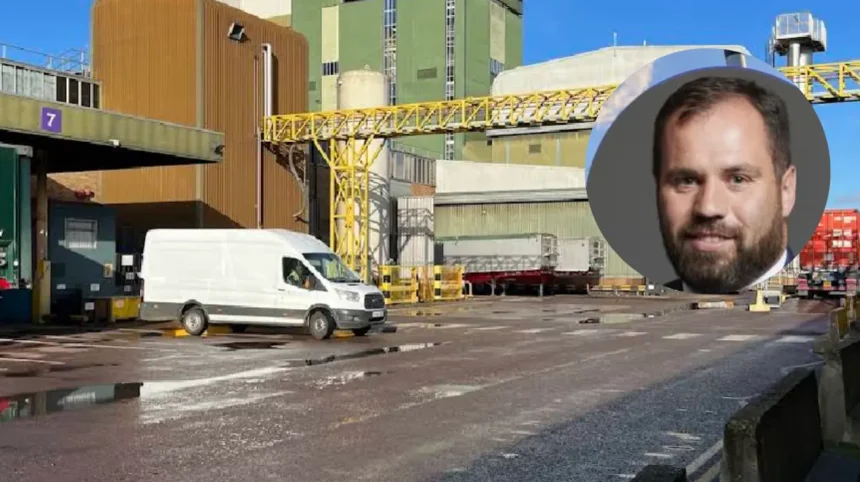
The JDE plant off Ruscote Avenue in Banbury, which announced its closure last June, is home to an honours board comprising plaques that honour workers who served the company for 30 or more years. After successfully recovering her own father’s plaque, Mobley expanded her efforts into a broader campaign aimed at ensuring every person represented on the board— or their families, in cases where workers have passed away—receives their commemorative plaque.
How Did a Small Mission Snowball Into a Search for 600 Names?
Speaking to the BBC, Mobley explained the unexpected growth of her campaign. “It started as a very small mission and it’s ended up very big — it’s snowballed into finding more than 600 names,” she told the broadcaster.
The daughter of the former worker expressed her ultimate goal clearly: “I would like every person, or as quite a few have passed away, any of their families to be reunited with their plaques,” Mobley said in her interview with the BBC. Her determination reflects the emotional significance these plaques hold for workers who dedicated decades of their careers to the factory.
What Role Is Social Media Playing in the Plaque Reunion Campaign?
Mobley has established a dedicated Facebook page titled “help reunite 30 years service plaques from JDE” to facilitate the reunion effort. The Facebook group has attracted more than 230 followers, creating a digital community where workers and family members alike are attempting to retrieve their plaques.
The social media platform has become instrumental in connecting former employees and their relatives, allowing them to share information about the plaques’ locations and coordinate efforts to recover them. The group’s rapid growth demonstrates the strong emotional connection former workers maintain with their workplace history and the commemorative recognition of their service.
How Is Banbury’s MP Supporting the Plaque Reunion Effort?
The campaign has gained political support through collaboration with Sean Woodcock, the Labour MP for Banbury. The group is working directly with Woodcock to retrieve the plaques, adding official weight to the grassroots effort.
MP Woodcock’s involvement brings parliamentary attention to the issue and may help facilitate communication with JDE management and local authorities regarding the fate of the honours board and its constituent plaques.
What Do JDE and Cherwell District Council Say About the Plaques’ Future?
Despite Mobley’s campaign to return individual plaques to workers and families, JDE and Cherwell District Council hold a different perspective on the commemorative items’ future. Both organisations believe the plaques should be displayed elsewhere in commemoration of the workers, rather than distributed individually.
This position creates tension between the company’s vision for collective commemoration and the families’ desire for personal keepsakes representing their loved ones’ decades of service. The disagreement highlights different interpretations of what constitutes appropriate memorialisation for long-serving employees.
What Is the History of the Banbury JDE Plant?
The manufacturing facility has deep roots in Banbury’s industrial history. The plant originally opened as a General Foods Factory in 1964, beginning nearly six decades of coffee production in Oxfordshire. Over the years, the facility became home to generations of workers, many of whom spent their entire careers at the factory.
At the time of closure announcement, the plant employed approximately 160 people. Following the closure announcement last June, JDE has been progressively slowing operations and intends to wind down fully by December 2026.
Why Was the Closure Decision Made?
A spokesperson for JDE addressed the closure decision, stating that the full closure “was not an easy decision”. The company’s statement acknowledges the emotional and practical impact the shutdown will have on workers, their families, and the Banbury community.
The gradual wind-down of operations allows for an orderly transition rather than immediate closure, giving workers time to prepare for the plant’s final shutdown in December 2026.
Background of the Development
The plaque reunion mission emerged directly from Jacob Douwe Egberts’ announcement last June that its Banbury plant off Ruscote Avenue would cease operations. The factory contains an honours board composed of plaques recognising workers who served 30 or more years at the facility.
Jo Mobley, whose father worked at the factory, initially recovered her father’s individual plaque following the closure announcement. This personal victory motivated her to expand the effort into a comprehensive campaign targeting all 600+ plaques on the honours board. The campaign gained momentum through social media, with the Facebook group reaching 230+ followers within months of creation.
The development reflects broader tensions surrounding factory closures in the UK manufacturing sector, where commemorative物品 representing workers’ careers become contested between corporate commemoration strategies and families’ desires for personal mementos.
How Will This Development Affect Former JDE Workers and Their Families?
The plaque reunion mission will significantly impact former JDE workers and their families in several ways. For surviving workers who dedicated 30+ years to the factory, receiving their plaque represents personal closure and tangible recognition of their career sacrifice.
For families of deceased workers, the plaques serve as cherished memorials connecting them to their loved ones’ professional legacy. The Facebook group’s 230+ followers demonstrate widespread community interest, suggesting hundreds more families may benefit from successful plaque retrieval.
The campaign’s success or failure will determine whether these workers receive individual recognition for their decades of service, or whether their commemoration remains solely in collective display as JDE and Cherwell District Council prefer. With the plant closing fully by December 2026, time is critical for families seeking reunion with these meaningful tokens of their loved ones’ working lives.