Key Points
- Naomi Perkins, owner of Naomi’s Café Bar on Bridge Street, is asking the public to send in design ideas for a second update to her building’s side wall.
- The wall at the corner of Bridge Street and Cherwell Street has displayed street art for over 30 years.
- The original mural was painted in the 1990s for the Bridge Bar youth club with funding from the Prince’s Trust, before new designs replaced it in 2016 and May 2024.
- Past updates to the mural drew mixed reactions from local residents, with some asking for traditional historic designs and others supporting modern street art.
- Anyone with design concepts—including local artists, residents, and visitors—can submit their ideas at the café or on its social media pages.
Banbury — (Oxford Daily) August 28, 2026 — A local café business in the heart of Oxfordshire is appealing to the community for fresh artistic concepts as plans take shape for a new installation on one of the town’s most recognizable public art walls.
- Key Points
- Why Is the Banbury Café Owner Inviting Ideas for the Bridge Street Wall?
- How Has the Landmark Pigeon Artwork Evolved Over the Past Three Decades?
- What Has the Local Community Said About Changes to the Street Art?
- How Can Local Residents and Artists Submit Their Suggestions?
- Background of the Particular Development
- Prediction: How This Development Can Affect the Local Audience
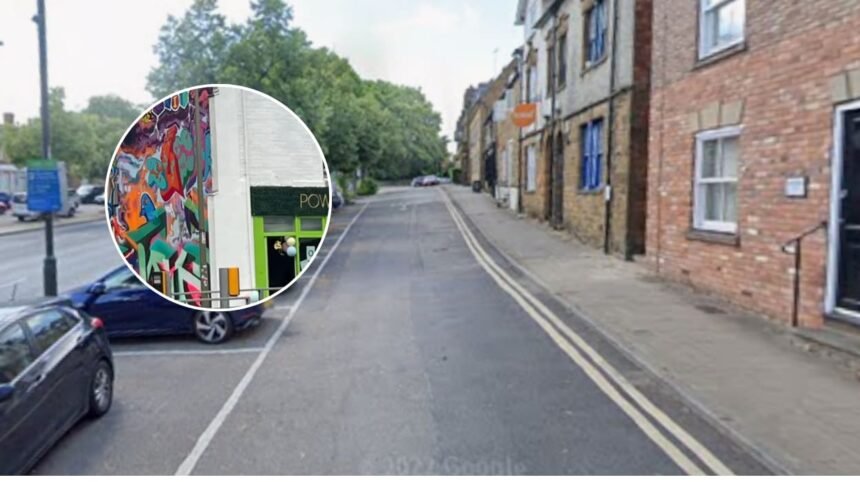
Located at the busy junction of Bridge Street and Cherwell Street, near Banbury railway station, the side wall of the hospitality venue has featured a succession of high-profile street art pieces across more than 30 years. Having overseen previous revamps of the site, café management is now opening up the decision-making process to residents and customers before commissioning the next artwork.
Why Is the Banbury Café Owner Inviting Ideas for the Bridge Street Wall?
As reported by Charlotte Coles of the Oxford Mail, the outer wall of the venue has long stood as a canvas for public art in Banbury, evolving through multiple iterations since the mid-1990s.
Café owner Naomi Perkins previously explained that the presence of the artwork was a key factor in her decision to take on the lease of the premises. Speaking during a previous wall redesign, Miss Perkins stated:
“The original mural was one of the main reasons why I wanted to take on the café. I used to see it when I was little and my grandmother would bring me into Banbury, I was so fascinated by it.”
However, maintaining outdoor artwork exposed to traffic emissions and weather along Cherwell Street requires periodic intervention. With previous coatings showing wear and street art styles moving forward, the decision to refresh the location aims to keep the gateway into Banbury vibrant for commuters and visitors arriving from the nearby railway station.
How Has the Landmark Pigeon Artwork Evolved Over the Past Three Decades?
As detailed in archival reporting by the Oxford Mail, the site’s history as a public art display began over 30 years ago when a graffiti-style mural was created for the former Bridge Bar youth club with funding provided by the Prince’s Trust.
In April 2016, Miss Perkins commissioned Banbury-based artist Jonny Arnold and Australian painter Cherie Strong to replace the decaying 1990s original. That 2016 redesign shifted the aesthetic from traditional spray-paint graffiti toward a three-dimensional style featuring a soaring bird, alongside direct visual references to the café and the local Edible Community Garden on Bridge Street.
The wall underwent a further major transformation in May 2024, when artists Natalia Karwacka and Tomas Kolbus were brought in to paint a colourful new installation. As reported by Charlotte Coles of the Oxford Mail, that project retained the central motif of a pigeon—a recurring figure in recent years—while introducing bold contemporary graphics.
What Has the Local Community Said About Changes to the Street Art?
As reported by the Oxford Mail, previous modifications to the Bridge Street canvas have generated active public discussion across Banbury, highlighting differing perspectives on town aesthetics.
During the unveilings of previous updates, public sentiment on social media platforms and in local community forums remained divided. Criticisms voiced by some residents focused on town identity and heritage. One online commenter remarked:
“Can’t see the relevance of this to Banbury. Disappointed.”
Another local resident commented:
“I think the artwork is really good, but for somewhere like Birmingham, or any other big city, not a rural town with lots of history. I think it should have been something that reflects the town.”
Conversely, many residents welcomed the modernization of the site. As documented by the Oxford Mail, one supporter wrote:
“This is far better than I expected it would be. It really captures and respects the original but brings it up to date. A massive improvement. Well done.”
Another local resident posted:
“Absolutely love this. There are so many references to the original mural put up by the Bridge Bar all those years ago, but with the dial turned up to 11. The design is better and pops out at you. Well done to all those involved.”
A further comment highlighted the generational continuity of the public wall:
“I love that my daughter will now have childhood memories of a vibrant eye-catching piece of art like her parents before her. Real Banbarians wanted this.”
How Can Local Residents and Artists Submit Their Suggestions?
To ensure the upcoming project reflects community interests, the café management is encouraging town residents, local historians, and visual artists to put forward concepts.
Suggestions can be submitted directly at Naomi’s Café Bar on Bridge Street or via the venue’s online social media channels. Management indicated that whether the final piece retains the iconic pigeon element or pivots toward historical references to Banbury’s heritage, public feedback will play a central role in guiding the brief given to the selected artists.
Background of the Particular Development
Public wall murals in regional market towns like Banbury serve a dual purpose as community landmarks and traffic-calming visual enhancements along major road junctions. The wall at the corner of Bridge Street and Cherwell Street occupies a notable location within Banbury’s urban landscape. Situated directly along the primary route connecting Banbury railway station to the town centre, thousands of pedestrians and motorists pass the site daily.
Over the last 30 years, street art governance in British market towns has shifted from informal youth club projects to structured public art installations involving local businesses, private landlords, and commercial artists. In the case of Bridge Street, permission to alter the wall artwork rests with the private property landlord, who previously granted full consent to café management to update the façade periodically to prevent visual deterioration. The site has consequently functioned as an informal rotating gallery, balancing modern street art traditions with local community storytelling.
Prediction: How This Development Can Affect the Local Audience
The launch of a public consultation for the second update to the pigeon mural is expected to directly impact several key groups across Banbury:
- Local Residents & Commuters: The creation of a fresh artwork will alter the visual entrance to Banbury town centre from the railway station. Engaging the public in the design phase reduces friction between modern art advocates and heritage traditionalists, fostering a stronger sense of local ownership over public spaces.
- Town Centre Businesses: High-profile street art projects on Bridge Street consistently draw footfall and social media attention. A vibrant, refreshed installation serves as an informal tourist point, benefitting neighbouring retail and hospitality venues by encouraging visitors to stop along the corridor between the station and the market place.
- Regional Artists & Creative Sector: The open invitation provides local and regional visual artists with a commercial platform to display large-scale work in a prominent location. It also reinforces Banbury’s reputation as a town open to creative urban interventions alongside its traditional historic architecture.