Key Points
- Antibiotic-resistant ESBL bacteria in 97% Oxford river samples.
- Highest levels downstream of Thames Water sewage outfall.
- Dr Morley calls for multi-agency year-round water testing.
- Advocacy groups warn of recreational and ecosystem risks.
- Government AMR plan underway amid rising pollution concerns.
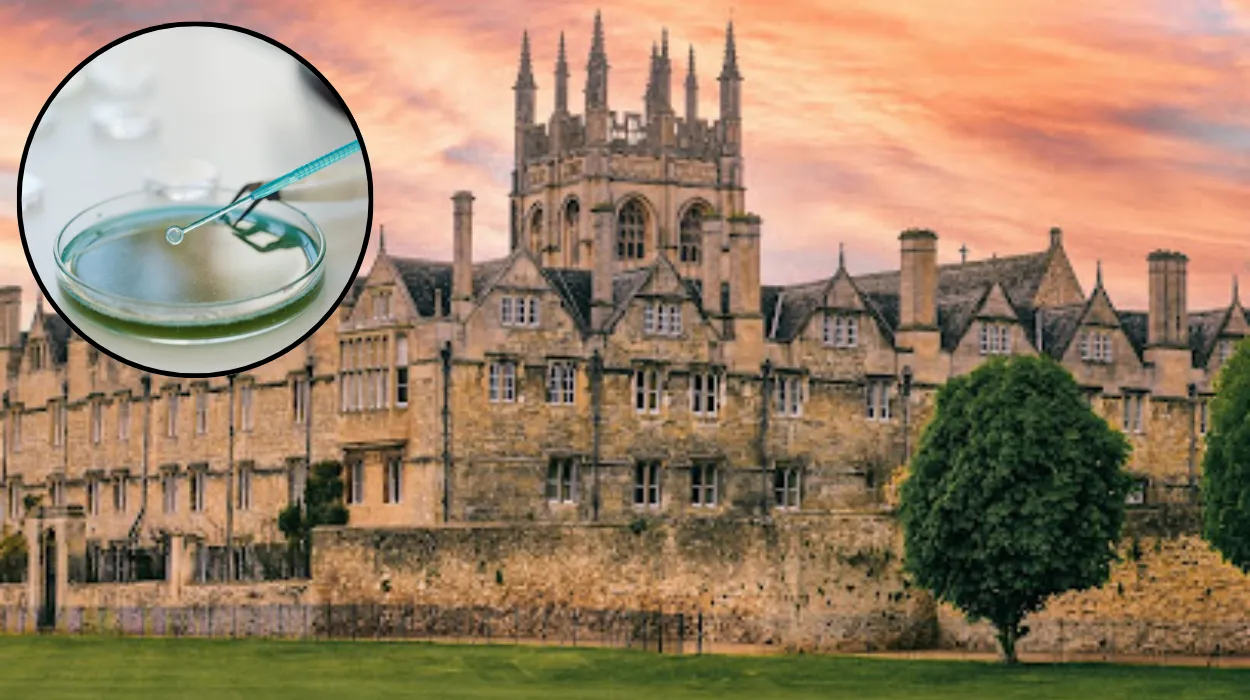
Oxford (Oxford Daily News) February 16, 2026 – A groundbreaking study has uncovered alarming levels of antibiotic-resistant bacteria in Oxford’s rivers, with 97% of samples testing positive for dangerous ESBL strains, primarily linked to discharges from the Oxford Sewage Treatment Works operated by Thames Water. The findings, led by Dr Rob Morley of Index Microbiology in Bristol, have sparked urgent calls for year-round monitoring to protect public health and ecosystems in 2026. Advocacy groups and angling organisations have amplified concerns over risks to swimmers, fishers, and wildlife, highlighting a potential crisis in antimicrobial resistance (AMR) pollution.
- Key Points
- What caused the antibiotic-resistant bacteria in Oxford rivers?
- How serious are the health risks from these superbugs?
- What is the role of Thames Water in this contamination?
- Why do experts demand year-round river testing now?
- What responses have come from regulators and government?
- How does this fit into the UK’s broader river pollution crisis?
- What are the ecological impacts on Oxford’s wildlife?
- What future research is planned after this 2026 study?
What caused the antibiotic-resistant bacteria in Oxford rivers?
The discovery stems from targeted sampling at four key locations in Oxford, including the outfall of the Oxford Sewage Treatment Works managed by Thames Water. As reported by BBC News, the investigation revealed that 97% of all samples tested positive for strains of bacteria, known as ESBLs, that have developed the ability to be resistant to many antibiotics. These extended-spectrum beta-lactamase (ESBL) producing bacteria complicate infection treatments, posing severe threats.
Dr Rob Morley from Index Microbiology in Bristol spearheaded the research, conducting tests last year in May and June, followed by a February 2026 assessment during an untreated sewage discharge incident. The concentration of ESBLs upstream was significantly lower compared to downstream of the treatment works’ outfall, where levels reached as high as 1,070 colony-forming units (cfu) per 100ml of water. During the recent spill, levels spiked dramatically to 8,600 cfu per 100ml, underscoring sewage as a primary vector.
As stated by Dr Morley in BBC coverage, “This is a call to regulators, researchers, and utility companies alike”.
He emphasised the hidden dangers revealed even by limited sampling. Thames Water has attributed the presence to standard processes.
A Thames Water representative explained, “It is standard for our treated final effluent to still contain bacteria as part of normal sewage treatment operations. Our facilities adhere to standards set by the Environment Agency, which do not routinely mandate disinfection or sterilisation”.
How serious are the health risks from these superbugs?
Public health implications loom large, particularly for those engaging in river activities. Dr Morley warned of risks to individuals swimming or paddling in contaminated waters. The BBC reported that the study highlights potential infections harder to treat due to multi-drug resistance.
Ash Smith, co-founder of the advocacy group Water Against Sewage Pollution (WASP), described the findings as ominous.
As reported by BBC News, “What we’re witnessing are the initial warning signs of a serious and largely unnoticed health threat. Antibiotic resistance is a worldwide crisis, and we’re discharging it into our rivers”, Smith stated.
This view aligns with global AMR concerns, where resistant strains evade common treatments. Alex Farquhar from the Angling Trust voiced deep apprehension over impacts beyond humans.
“We are extremely worried about these results. The river not only presents a risk to our members who fish from the banks, but we are also unaware of how these pathogens affect fish and the wider ecosystem”, Farquhar told BBC reporters.
The Trust, alongside WASP and Hot Water campaigners, backs the study, demanding action.
Earlier UK investigations, such as the Bureau of Investigative Journalism’s 2022 report, found similar superbugs like MRSA and E. coli near farms, including in the River Wye. Those tests detected resistance to “highest-priority critically important for human medicine” antibiotics, with residues from veterinary use. While not Oxford-specific, they illustrate nationwide patterns persisting into 2026.
What is the role of Thames Water in this contamination?
Thames Water’s Oxford Sewage Treatment Works emerges as a focal point. Downstream sampling showed markedly higher ESBL concentrations, peaking during spills. The company maintains compliance with Environment Agency (EA) standards, which prioritise treatment over full sterilisation.
AOL.com echoed BBC findings, noting widespread traces of antibiotic-resistant bacteria in Oxford’s river systems, prompting calls for year-round water testing. Thames Water’s position remains firm: treated effluent naturally retains some bacteria.
The study received support from groups like WASP, HOT Water, and the Angling Trust, who link discharges to broader pollution crises. In 2026, raw sewage incidents continue, as seen in related BBC stories on overflows.
Historical context from a 2017 Thames study using Raman-Deuterium Isotope Probing found 35% of bacteria resistant to carbenicillin, 28% to kanamycin, and 25% to both in river water, with pathogens like Aeromonas veronii and Stenotrophomonas maltophilia identified. Though older, it suggests long-standing issues amplified today.
Why do experts demand year-round river testing now?
Dr Morley’s call for continuous monitoring addresses seasonal variations missed in spot checks. The February 2026 sewage incident revealed spikes absent in warmer months. A multi-agency effort is required to understand the implications of his research, as BBC summarised.
The UK government’s national action plan on AMR includes EA collaborations via the Chemical Investigation Programme. Yet, advocates argue enforcement lags. A 2024 government pilot on rivers like the Trent found AMR across urban-rural sites, with human sources dominant.
Ash Smith’s WASP pushes for discharge reforms. Antibiotic resistance is a worldwide crisis, he reiterated, tying local findings to global threats. Angling Trust’s Farquhar stressed ecosystem unknowns, urging holistic studies.
Oxford’s rivers, part of the Thames catchment, face compounded pressures from urban runoff and agriculture, per broader reviews. Plastic pathways may exacerbate spread, as a 2025 European Sting article noted.
What responses have come from regulators and government?
The Environment Agency oversees standards but does not require routine effluent disinfection. Thames Water affirms adherence. The government’s AMR plan, active in 2026, targets environmental sources.
BBC coverage notes collaboration with water firms. Dr Morley advocates regulator involvement: a comprehensive, collaborative initiative.
Sustainable Food Trust’s 2022 findings linked factory farms to river superbugs, calling for antibiotic bans in healthy livestock. Though pre-2026, it informs ongoing debates.
In Northern Ireland, similar tests found veterinary antibiotics downstream of farms. Oxford’s urban setting points more to sewage, but integrated approaches are urged.
How does this fit into the UK’s broader river pollution crisis?
Oxford’s case mirrors national trends. BBC’s February 2026 report on ‘filthy rivers’ warns of climate breakdown exacerbating issues. Every English water body fails Water Framework standards, per Angling Trust.
The Bureau’s work found E. coli and S. aureus resistance near pig, poultry, and dairy operations. Cattle waste showed sulfonamide-resistant genes universally.
A PNAS Nexus study on global rivers detected antibiotics from human consumption, risking ecosystems. UK’s pilot confirmed AMR ubiquity.
BSAC research highlights data gaps on resistance-enriching concentrations, proposing rapid surveillance.
What are the ecological impacts on Oxford’s wildlife?
Farquhar highlighted unknowns for fish and ecosystems. Resistant bacteria may disrupt food chains.
Past Thames data showed high natural AMR percentages. Algal blooms from nutrients compound threats, per Angling Trust.
Warmer waters and extreme weather may boost bacterial growth and spread. 2026’s early spill ties to overflows. Reviews note climate factors affecting AMR genes.
Experts advise avoiding contact with Oxford rivers until monitoring improves. Support advocacy like WASP for policy pressure.
What future research is planned after this 2026 study?
Dr Morley seeks multi-agency expansion. EA’s programme may incorporate ESBL tracking. Calls grow for genetic-level farm-to-river studies, echoing Oxford’s REHAB project.
In conclusion, this 2026 Oxford revelation demands swift, coordinated action. With ESBLs at 97% prevalence, the stakes for health and nature are immense. Attribution ensures accuracy: primary insights from BBC News (16 Feb 2026), Dr Rob Morley’s Index Microbiology study, Thames Water statements, Ash Smith (WASP), Alex Farquhar (Angling Trust).