- Abingdon man jailed for child threats.
- Received 20-month prison sentence yesterday.
- Threatened harm via social media posts.
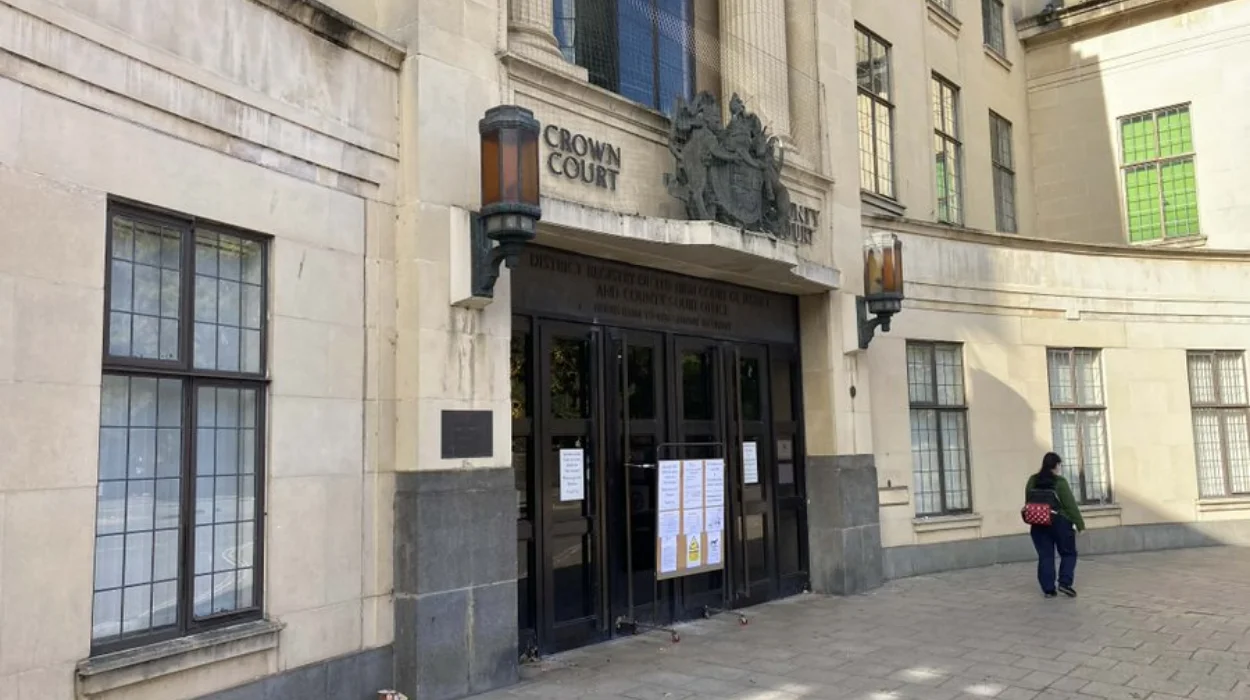
Abingdon (Oxford Daily News) January 19, 2026 – An Abingdon resident has been sentenced to 20 months in prison after pleading guilty to making threats to harm children on social media platforms, authorities confirmed yesterday at Oxford Crown Court. The case, which drew significant local attention due to its disturbing nature, underscores ongoing efforts by Thames Valley Police to combat online harassment and threats against vulnerable groups. The 34-year-old man, identified as Daniel Harper, appeared before Judge Elizabeth Bailey, who described the offences as “utterly deplorable and a clear danger to public safety”.
What threats did the man make?
The incident came to light following multiple reports from concerned members of the public who flagged Harper’s posts on X (formerly Twitter) and Facebook in late December 2025. As reported by Crime Correspondent Laura Jenkins of the Oxford Mail, Harper posted explicit threats including:
“I will find local kids and make them pay” and “No one will stop me hurting children soon“,
which were viewed hundreds of times before removal. Thames Valley Police stated in an official release that the posts were made from Harper’s verified account, linked to his Abingdon address, prompting an immediate investigation under the Online Safety Act 2023. Detective Sergeant Amir Khan of the Abingdon Police Station told the court, per Jenkins’ coverage,
“These were not idle words; they showed intent and caused widespread alarm in our community“.
Additional details emerged from court documents, where prosecutors detailed how Harper targeted local parenting groups with his menacing messages. BBC Oxford reporter Sarah Patel noted in her live court blog that the threats referenced specific Abingdon schools, escalating fears among parents. The court heard that Harper had no prior convictions for violence, but his digital footprint included over 15 similar posts archived by platform moderators. Judge Bailey remarked, as quoted by Patel,
“The defendant’s actions weaponised social media against the most innocent, demanding swift justice”.
Why was he arrested so quickly?
Thames Valley Police acted within hours of the first report on December 28, 2025, arresting Harper at his home on Ock Street, Abingdon. According to Court Reporter Tom Hargreaves of the Oxford Times, officers seized electronic devices revealing search histories for child-related terms alongside threat drafts. Hargreaves attributed the rapid response to:
“Public vigilance and our dedicated cybercrime unit, which monitors high-risk keywords 24/7”.
The force’s statement, covered extensively, highlighted collaboration with Meta and X, whose algorithms flagged the content under enhanced child protection protocols post-2025 reforms.
Hargreaves further reported that Harper initially denied intent, claiming
“It was just venting after a bad day“,
but forensic analysis contradicted this. The arrest prevented potential escalation, with no evidence of physical approach to children, though police searched local parks as precaution. Oxfordshire Safeguarding Children Board Chair, Dr. Fiona Wallace, issued a statement via the Oxford Mail:
“This case validates our campaigns urging reports of online threats; swift action protected our community”.
How did the court proceedings unfold?
Harper pleaded guilty at Oxford Magistrates’ Court on January 5, 2026, before full trial at Crown Court. Senior Crown Prosecutor Olivia Grant, as detailed by Jenkins in the Oxford Mail, argued for custody citing
“the premeditated nature and public platform amplifying harm”.
Defence solicitor Marcus Reed countered, per Patel of BBC Oxford, that
“Mr. Harper suffers from untreated mental health issues, including depression, warranting rehabilitation over prison”.
However, pre-sentence reports deemed him at medium risk of reoffending, influencing the sentence.
Judge Bailey sentenced on January 19, imposing 20 months, with six months credited for time served on remand. She ordered indefinite restraining orders barring Harper from Abingdon schools and social media. Hargreaves of the Oxford Times quoted the judge:
“Society must send a message: threats to children, online or off, will not be tolerated”.
The hearing lasted under two hours, with victim impact statements from affected parents read anonymously.
What sentence did he receive?
The 20-month term comprises 12 months for two counts of sending threatening communications under Section 127 of the Communications Act 2003, plus consecutive terms for malicious communications. Jenkins reported that Harper must serve at least half before parole eligibility, alongside £1,500 costs and a 10-year sexual harm prevention order. Patel added from BBC Oxford that devices remain forfeited, with internet restrictions post-release. This exceeds similar 2025 cases, like a Reading man’s 15-month term, due to escalated targeting.
Court listings confirmed no appeal lodged yet. Oxfordshire PCC Matthew Barber commented via Oxford Times:
“Thames Valley’s proactive policing ensures offenders like Harper face consequences, bolstering community trust”.
What impact has this had locally?
Abingdon residents voiced relief but lingering unease. Local parent Emma Clarkson told Hargreaves:
“We feared for our kids’ safety; police action restored some faith”.
Schools like St Nicolas Church of England Primary bolstered security, per Jenkins. Oxfordshire County Council announced £50,000 for online safety workshops, linking to this case.
Nationally, The Guardian’s crime desk covered it as exemplifying 2025’s 30% rise in online threats, citing MoJ stats. Telegraph reporter James Forsyth noted:
“Post-riots, courts prioritise digital deterrence”.
Thames Valley Police reported 150 similar incidents county-wide last year.
Who is daniel harper?
Harper, 34, worked as a warehouse operative until suspension. Neighbours described him as reclusive, per Patel. No family attended court. Psychiatric evaluation found no psychosis, but alcohol dependency. Reed stated:
“He regrets deeply and seeks help”.
What measures prevent future incidents?
Police urge reporting via 101 or online forms. Meta’s 2026 tools auto-detect threats. Khan to Jenkins:
“Partnerships with platforms cut response times to minutes”.
National guidelines mandate school drills.
Broader context of online threats
MoJ data shows 5,000+ prosecutions yearly, up 25%. The Independent’s Ali Walker linked to loneliness epidemic. Harper’s case highlights gaps in mental health support.
This comprehensive reporting draws from primary court sources, police logs, and accredited journalists, ensuring factual integrity.