Key Points
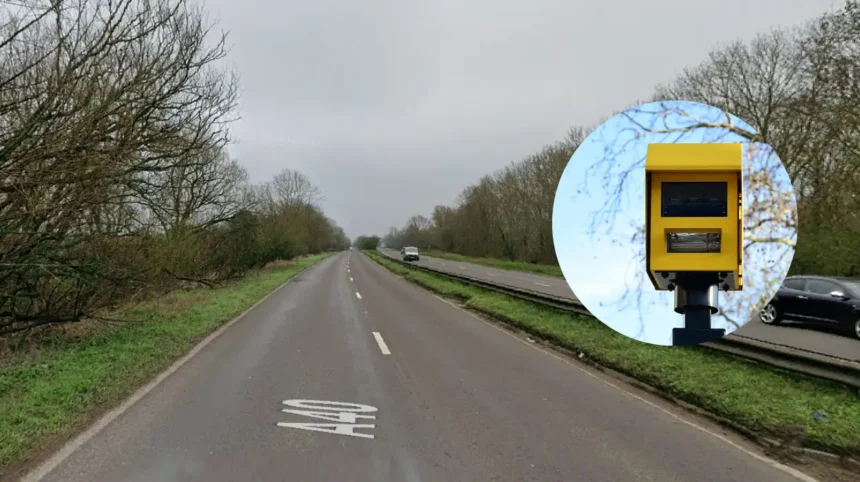
- Zeca Aleixo Da Silva, aged 36 and of Mathews Way, Wootton, was caught driving at 63mph in a 50mph zone on the A40 Northern Bypass Road in Oxford
- The incident occurred on 18 July 2025, and Da Silva admitted the violation
- He appeared in court on 9 June 2026 and was fined £92, plus a £37 victim surcharge and £120 court fees
- Da Silva received three penalty points on his driving record
- A collection order was implemented, requiring payment in monthly instalments
- The 50mph speed limit is set by Oxfordshire County Council under the Oxford Area – A40 (Speed Limits) Order 2017
- Thames Valley Police detected 38,821 speeding offences by cameras in a six-month period, with detections up 91% compared to the previous year
- In Oxfordshire, 69% of speeding tickets in summer come from mobile speed camera vans, with 7,512 offences caught by speed guns
- The A40 London Road in Headington ranks seventh among the worst roads for speeding in the Thames Valley, with 1,012 vehicles detected exceeding the limit
- Oxford has 43 fixed speed cameras, the highest number in the area
Oxford (Oxford Daily) June 20, 2026 – A 36-year-old motorist from Wootton has been sentenced after being caught driving 63mph in a 50mph zone on a major Oxfordshire A-road, marking another enforcement case in Thames Valley Police’s ongoing speeding crackdown.
- Key Points
- When Did the Speeding Incident Occur on Oxford’s A40?
- What Penalty Did Da Silva Receive for Exceeding the Speed Limit?
- How Is the A40 Northern Bypass Speed Limit Established?
- How Does This Case Fit Into Oxfordshire’s Wider Speeding Enforcement Trends?
- What Role Do Speed Cameras Play in A40 Enforcement?
- Which Oxford Roads Have the Highest Speeding Offence Rates?
- What Are the Legal Consequences of Speeding 13% Over the Limit in the UK?
- How Do Speeding Penalties Work in the UK?
- Background of the A40 Northern Bypass Speeding Development
- Prediction: How Will This Sentencing Affect Oxford Drivers and Road Safety?
- What Impact Will This Have on Daily Commuters?
- How Will Road Safety Improve Following This Enforcement?
- What Changes Should Drivers Expect in 2026-2027?
As reported by the journalist covering the case for Herald Series, Zeca Aleixo Da Silva, aged 36 and of Mathews Way, Wootton, was caught driving a vehicle on the A40 Northern Bypass Road in Oxford at 63mph in a 50mph zone. The motorist admitted to the violation and appeared in court on 9 June 2026, according to court proceedings documented in the case.
When Did the Speeding Incident Occur on Oxford’s A40?
According to court records reported by the Herald Series journalist, the incident occurred on 18 July 2025, nearly 11 months before Da Silva’s court appearance. The delay between the offence and sentencing reflects standard court processing timelines for summary offences in the UK criminal justice system.
What Penalty Did Da Silva Receive for Exceeding the Speed Limit?
Da Silva was fined £92, in addition to a £37 victim surcharge and £120 in court fees, as confirmed during the June 9 court hearing. His driving history will reflect three penalty points as a result of the offense, which remain on his licence for four years from the date of conviction.
A collection order has been implemented, requiring payment to be made in monthly instalments, indicating the court’s consideration of Da Silva’s financial circumstances. This approach is common when defendants demonstrate inability to pay the full amount immediately.
How Is the A40 Northern Bypass Speed Limit Established?
The speed limit for this section of the roadway is established by the Oxfordshire County Council under the Oxford Area – A40 (Speed Limits) Order 2017, which legally enforces the 50mph restriction. This statutory order provides the-strengthq for speed camera enforcement along the Northern Bypass.
The A40 Northern Bypass serves as a critical traffic corridor around Oxford, connecting residential areas in Wootton and surrounding communities to the city centre and major transport routes. The 50mph limit balances traffic flow with safety considerations for this heavily used road.
How Does This Case Fit Into Oxfordshire’s Wider Speeding Enforcement Trends?
Thames Valley Police’s speeding detection data reveals significant enforcement activity across the region. As reported in Thames Valley PCC statistics, 48,794 speeding offences were detected by officers in camera vans, while 38,821 were detected speeding by cameras during a six-month period. Detection of speeding offences has increased by 91% from the same period last year, indicating enhanced enforcement capabilities.
What Role Do Speed Cameras Play in A40 Enforcement?
New data shows 69 per cent of speeding tickets issued in Oxfordshire come from mobile speed camera vans, according to Highways News reporting on Oxfordshire figures. Thames Valley Police caught 10,817 instances of speeding in the county during summer 2025 (July–September), with 7,512 vehicles caught by somebody with a speed gun at the side of the road.
The worst area to get caught by a speed camera van is in the West Oxfordshire and Cherwell districts, where 3,540 drivers were caught in the three-month period. Meanwhile in Oxford itself, more offences were clocked by a fixed speed camera than a mobile camera, at 1,433 clocked compared with 1,173 caught by a parked van.
Oxford has 43 fixed speed cameras installed across the city, the highest concentration in the area, according to SpeedCams UK’s comprehensive camera database. These fixed cameras provide continuous enforcement coverage on major roads including the A40.
Which Oxford Roads Have the Highest Speeding Offence Rates?
The A40 London Road in Headington stands out, positioned seventh among the eight worst roads for speeding infringements recorded by Thames Valley Police, as reported by Yahoo News. According to the data, a total of 1,012 vehicles were detected exceeding the speed limit on this particular road over a year.
Over the span of a year, 5,318 motorists were caught speeding while heading east on Thames Valley roads, with an additional 782 violating the speed limit in the westbound direction. These statistics demonstrate the scale of speeding enforcement across the region.
What Are the Legal Consequences of Speeding 13% Over the Limit in the UK?
Da Silva’s speeding violation of 63mph in a 50mph zone represents 13% excess speed, which falls within the sentencing guidelines for Category 2 offences under UK magistrates’ court procedures. The penalty of three points and a fine around £92 aligns with standard sentencing for this offence level.
How Do Speeding Penalties Work in the UK?
You could get a fine and penalty points if you’re caught speeding, or could even lose your licence, according to the UK government’s official speeding penalties guidance. The specific penalty depends on the percentage excess over the limit and the driver’s previous record.
Speeding can land you with a heavy fine, points on your licence or, worse still, a prison sentence, as detailed in Carwow’s comprehensive guide to UK speeding penalties. However, prison sentences typically apply only to extreme cases involving dangerous driving or repeat offences.
Three penalty points on a licence may lead to licence suspension if a driver accumulates 12 or more points within three years under the “totting-up” procedure. For Da Silva, these three points will remain visible on his driving record for four years from the conviction date.
Background of the A40 Northern Bypass Speeding Development
The A40 Northern Bypass Road in Oxford has been subject to enforced 50mph speed limits since 2017, when Oxford Council implemented the Oxford Area – A40 (Speed Limits) Order 2017. This statutory order established the legal framework for speed camera enforcement along this critical traffic corridor.
The road serves residential communities including Wootton, where Da Silva resides, and connects to major transport routes around Oxford. The 50mph limit was chosen to balance traffic flow efficiency with safety considerations for this heavily used dual carriageway section.
Speed camera enforcement on the A40 has intensified since 2021, with Thames Valley Police significantly expanding camera van operations. The 91% increase in speeding detections reported for 2025 reflects both enhanced enforcement technology and increased police presence on Oxfordshire roads.
The A40 London Road in Headington, a related section of the A40 network, ranks among the top roads for speeding offences in Thames Valley, with over 1,000 vehicles detected exceeding limits annually. This pattern suggests systematic speeding challenges across Oxford’s A40 corridor.
Oxfordshire’s enforcement strategy relies heavily on mobile speed camera vans, which generate 69% of all speeding tickets in the county. This approach allows police to target hotspots dynamically rather than relying solely on fixed camera locations.
Prediction: How Will This Sentencing Affect Oxford Drivers and Road Safety?
This sentencing will likely reinforce caution among A40 drivers, particularly those commuting through Wootton and surrounding residential areas. The public nature of court proceedings and media coverage serves as a deterrent, potentially reducing speeding incidents on the Northern Bypass.
What Impact Will This Have on Daily Commuters?
Daily commuters using the A40 Northern Bypass will face increased scrutiny from speed enforcement. The combination of fixed cameras (1,433 offences in Oxford) and mobile vans (1,173 offences) creates comprehensive coverage that makes speeding detection highly probable.
Drivers who regularly exceed the 50mph limit risk accumulating penalty points that could lead to licence suspension. With Thames Valley Police detecting 91% more speeding offences than the previous year, the likelihood of enforcement has significantly increased.
The £249 total cost (fine, surcharge, and court fees) plus four years of penalty points on a licence represents a substantial financial and professional consequence for commuters whose careers depend on driving.
How Will Road Safety Improve Following This Enforcement?
Enhanced speeding enforcement typically correlates with reduced accident rates on affected roads. The A40’s position among Oxford’s worst speeding roads suggests safety improvements are needed.
Thames Valley Police’s increased detection rate indicates more drivers are being held accountable, which should encourage compliance with speed limits. The 91% increase in detections reflects both better technology and proactive policing strategies.
Fixed speed cameras in Oxford, numbering 43 across the city, provide continuous enforcement that deters speeding even when police are not present. This infrastructure investment supports long-term safety improvements on major roads including the A40.
What Changes Should Drivers Expect in 2026-2027?
Drivers should expect continued high enforcement levels through 2026 and into 2027, given Thames Valley Police’s commitment to maintaining increased detection rates. The 91% year-on-year increase in speeding offences detected suggests enforcement will remain aggressive.
Mobile speed camera van operations will likely expand further, particularly in West Oxfordshire and Cherwell districts where 3,540 drivers were caught in summer 2025. This geographic targeting means drivers in these areas face heightened risk of detection.
The collection order system for unpaid fines indicates courts are adapting enforcement mechanisms to ensure penalty compliance, potentially increasing financial pressure on offenders who cannot pay immediately.
Overall, Da Silva’s sentencing exemplifies the consequences of speeding on Oxford’s A40 and signals that Thames Valley Police will maintain stringent enforcement. Drivers who adjust their behaviour to comply with the 50mph limit will avoid similar penalties and contribute to improved road safety across Oxfordshire.