Key Points
- Thieves stole an original steering wheel worth more than £2,500 from a 1990 Leyton House CG901 Formula One car on display at Silverstone Circuit.
- The theft occurred at around 2:30 pm on Friday, 4 July 2025, while crew members were away at lunch.
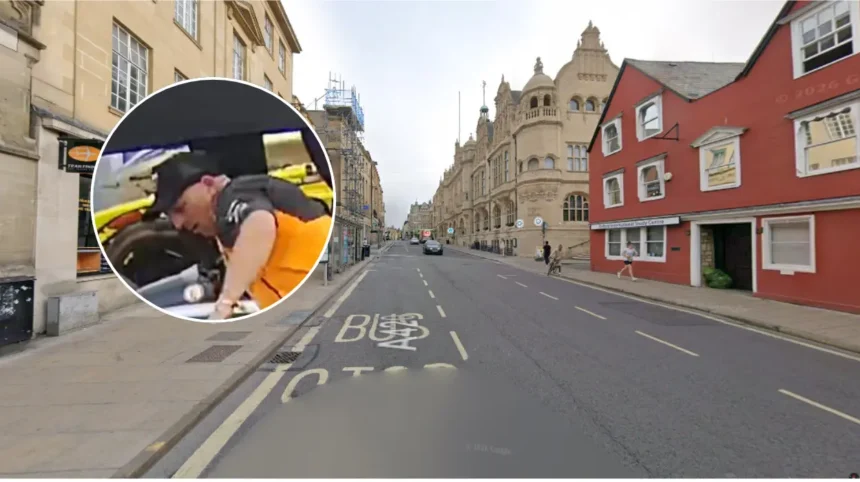
- Northamptonshire Police released a CCTV image and opened an investigation, which also covers damage reported on other classic race cars.
- Race engineer Russell Sheppard said the team had to source a replacement wheel before the car could run its scheduled track demonstration.
- Police arrested three people on suspicion of criminal damage to vehicles during the race weekend.
Silverstone (Oxford Daily) November 6, 2026 – What details have emerged regarding the theft of a historic Formula One component during the British Grand Prix weekend?
- Key Points
- How Was the Historic Leyton House Steering Wheel Stolen at Silverstone?
- What Have Investigating Officers and Display Personnel Said About the Incident?
- Were Other Classic Formula One Vehicles Damaged During the Event?
- What Security Measures Are Being Reviewed by Organisers?
- Background of the Leyton House CG901 Development
- Prediction: How This Development Can Affect Historic Motorsport Exhibitions and Collectors
Northamptonshire Police have launched a formal appeal for public assistance following the theft of an original steering wheel from Ivan Capelli’s classic 1990 Leyton House CG901 Formula One car while it was on public display at Silverstone Circuit.
How Was the Historic Leyton House Steering Wheel Stolen at Silverstone?
As reported by George Lithgow of The Independent, the theft occurred at approximately 2:30 pm on Friday, 4 July 2025, during an interval when team members responsible for managing the heritage display were briefly away eating lunch.
The stolen component, valued in excess of £2,500, represents an irreplaceable piece of motor racing history designed during Adrian Newey’s celebrated early tenure in Formula One.
As reported by Ed Spencer of Auto Motorsport, the incident took place amidst a busy operational schedule for the heritage fleet, leaving team personnel alarmed by the brazen breach of display security.
What Have Investigating Officers and Display Personnel Said About the Incident?
As reported by Rachit Thukral of Crash.net, Northamptonshire Police issued an official statement confirming the launch of their investigation alongside CCTV image releases:
“Northamptonshire Police has released a CCTV image of a man they wish to speak to following the theft of a steering wheel from a classic Formula 1 car. The man in the image could assist police with their enquiries, so he, or anyone who recognises him, is asked to call Northamptonshire Police on 101, quoting incident number 25000390674.”
The displacement of the steering wheel caused immediate operational disruption for the vehicle’s scheduled demonstration runs across the Grand Prix weekend.
As reported by George Lithgow of The Independent, race engineer Russell Sheppard stated that:
“It’s very sad, because it’s an original piece of the car, original piece of history for it. It would be nice to reunite it all together.”
Mr Sheppard further clarified that the car was due out on track shortly after the theft occurred and was only able to complete its scheduled run after the team managed to locate a temporary replacement wheel.
Were Other Classic Formula One Vehicles Damaged During the Event?
The theft of the Leyton House component was not the sole security issue reported within the heritage display areas during the race event.
As reported by George Lithgow of The Independent, Mr Sheppard highlighted widespread spectator misconduct, explaining that visitors had been observed treating another rare single-seater—a 1996 Forti Formula One car—like a “climbing frame”.
As reported by Ed Spencer of Auto Motorsport, police separately arrested three individuals—identified as Burtwhistle, Imie, and Clark—on suspicion of causing criminal damage to vehicles on site. The trio was held in custody for 15 hours before being released without further action, though all three were subsequently banned from the circuit for the remainder of the event.
What Security Measures Are Being Reviewed by Organisers?
In the aftermath of the disturbance, display handlers voiced clear frustration regarding the level of protection assigned to multi-million-pound historic racing assets.
As reported by George Lithgow of The Independent, Mr Sheppard noted that while the social media community had been exceptionally helpful in circulating images of the stolen wheel, circuit security measures required urgent evaluation. He observed that standard event stewards were often unequipped and under-instructed regarding the physical protection of rare historic artifacts.
Authorities continue to urge anyone with footage or information regarding the whereabouts of the custom Leyton House CG901 wheel to contact investigating officers directly.
Background of the Leyton House CG901 Development
The Leyton House CG901 holds an exceptional position in Formula One technical history. Designed by legendary aerodynamicist Adrian Newey alongside Gustav Brunner for the 1990 Formula One World Championship, the car was engineered around tight aerodynamic tolerances that set modern design trends.
Driven by Italian racer Ivan Capelli and Brazilian driver Maurício Gugelmin, the CG901 achieved iconic status during the 1990 French Grand Prix at Paul Ricard, where Capelli led a significant portion of the race and finished second behind Alain Prost’s Ferrari.
Because the steering enclosures and cockpits of Newey’s early designs were notoriously cramped and tightly customized, original internal components such as the steering wheel remain highly distinctive, rare, and difficult to substitute with modern parts.
Prediction: How This Development Can Affect Historic Motorsport Exhibitions and Collectors
This incident is likely to trigger an immediate overhaul of security protocols governing heritage displays at major international motorsport events.
Owners and private collectors of multi-million-pound historic Formula One machinery may become increasingly hesitant to exhibit rare operational vehicles at public events unless event organizers guarantee strict access controls, physical barrier isolation, and dedicated security personnel.
For motorsport fans and event attendees, this development will likely lead to reduced opportunities for close-up inspection of historic cars, as display organizers transition toward enclosed glass barriers, heightened perimeter fencing, and restricted access zones to protect irreplaceable automotive history from opportunistic theft and vandal damage.