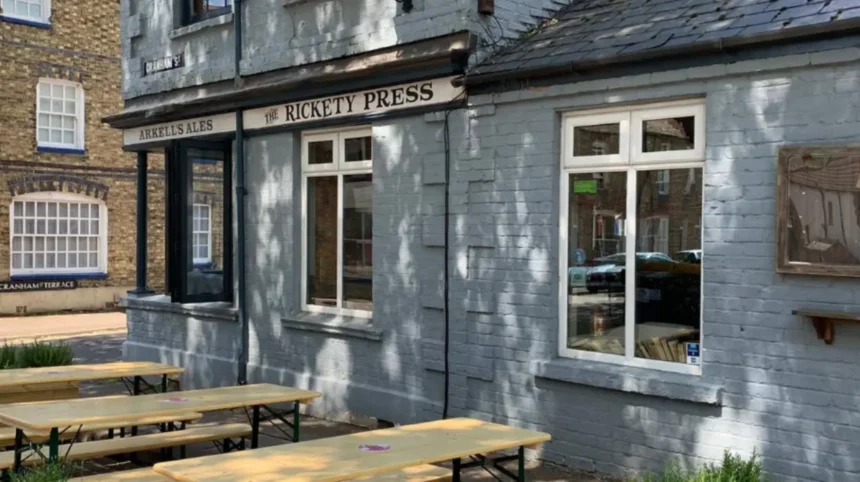
The Rickety Press is a commercial neighborhood pub located at 67 Cranham Street within the historic artisan district of Jericho, Oxford. The institution stands as a modern evolution of the traditional British urban tavern, catering to a diverse demographic consisting of permanent city residents, academic professionals from Oxford University, and regional domestic tourists. The venue occupies a physical building that originally operated under the commercial title of the Radcliffe Arms, an establishment named in honor of the historic Radcliffe Infirmary and the Dr. John Radcliffe estate. Arkell’s Brewery, an independent regional beer production company established in Swindon in the year 1843, acquired the freehold property after the original pub experienced a sustained operational closure lasting greater than twelve calendar months.
- How Did the Venue Transition From a Gastropub to a Neighborhood Pub?
- What Design Principles Shape the Physical Space of the Rickety Press?
- What Forms the Culinary and Beverage Infrastructure of the Establishment?
- How Does the Venue Interact with Local Urban Regulations and Economic Factors?
- What Role Does the Institution Play in Modern Community Culture?
- FAQs About Rickety Press in Oxford
- What are the operational opening hours for food service at the Rickety Press?
- Does the venue provide complete accessibility options for individuals utilizing mobility devices?
- How does the establishment accommodate customers with specific dietary intolerances or vegan requirements?
- Can the rear conservatory space be reserved for private commercial or academic functions?
- What public transport options connect the central Oxford transit hubs directly to Jericho?
The present name of the establishment serves as a deliberate historical reference to the mid-nineteenth-century industrial development of the surrounding Jericho neighborhood. During the Industrial Revolution, the expansion of the Oxford University Press on Great Clarendon Street in the year 1830 transformed the local area from a marshy suburban periphery into a dense residential quarter for industrial laborers and specialized press operators. The phrase rickety press refers to the mechanical, manually operated printing machinery utilized by local workers who inhabited the surrounding terraced housing on Cranham Street, Albert Street, and Cardigan Street. When the hospitality entrepreneurs Leo Johnson and Chris Manners established the Dodo Pub Company, they chose to rebrand the Radcliffe Arms to honor this specific industrial working-class heritage. This naming strategy mirrors choices made at other regional establishments, such as the nearby venue named after the local history of transport workers.
Related Article: For an understanding of architectural conversions in the county, examine the historical context of Leonardo Royal Hotel Oxford.
How Did the Venue Transition From a Gastropub to a Neighborhood Pub?
The structural evolution of the business model implemented at the Rickety Press highlights a broader economic shift within the British hospitality industry regarding consumer accessibility and sustainable operating expenses. Upon its initial launch under the management of the Dodo Pub Company, the venue operated strictly as a high-end gastropub focusing on complex culinary techniques, rotating seasonal menus, and premium ingredient sourcing. This commercial iteration achieved measurable critical success, securing a Michelin Bib Gourmand designation for multiple consecutive periods and earning formal placement within the national Good Food Guide publications. The operational reality of this model required kitchen staff to execute sixty to seventy working hours per week, generating high overhead expenditures and restricted commercial profit margins despite elevated capacity metrics.
The business owners initiated a total operational pivot to address these financial vulnerabilities, stripping away the complex culinary framework to install a streamlined neighborhood pub blueprint. This structural shift involved a physical interior redesign and the removal of multi-course fine dining systems in favor of high-turnover, high-quality casual food menus centered around specialized pizzas and beef burgers. The simplified food assembly system reduced the requirement for specialized kitchen staff, stabilized weekly procurement costs, and eliminated customer barriers associated with formal dining venues. This operational change allowed the establishment to maximize kitchen efficiency while aligning with the casualization trends observed across the wider Oxfordshire food and beverage market. The resulting financial stabilization provided the foundation for the parent enterprise to expand its corporate portfolio to nine distinct community-centric locations across the southern regions of England.
What Design Principles Shape the Physical Space of the Rickety Press?
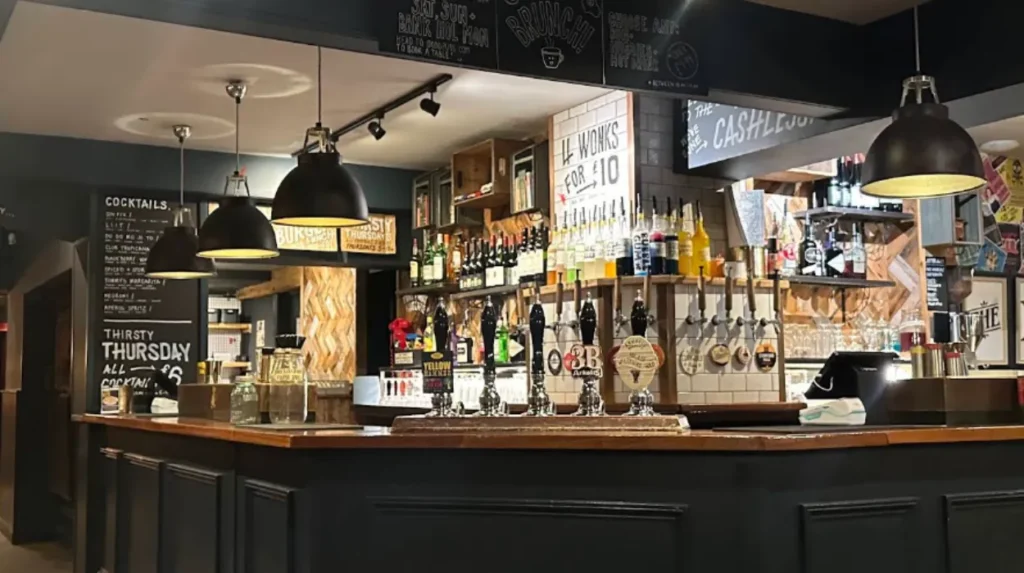
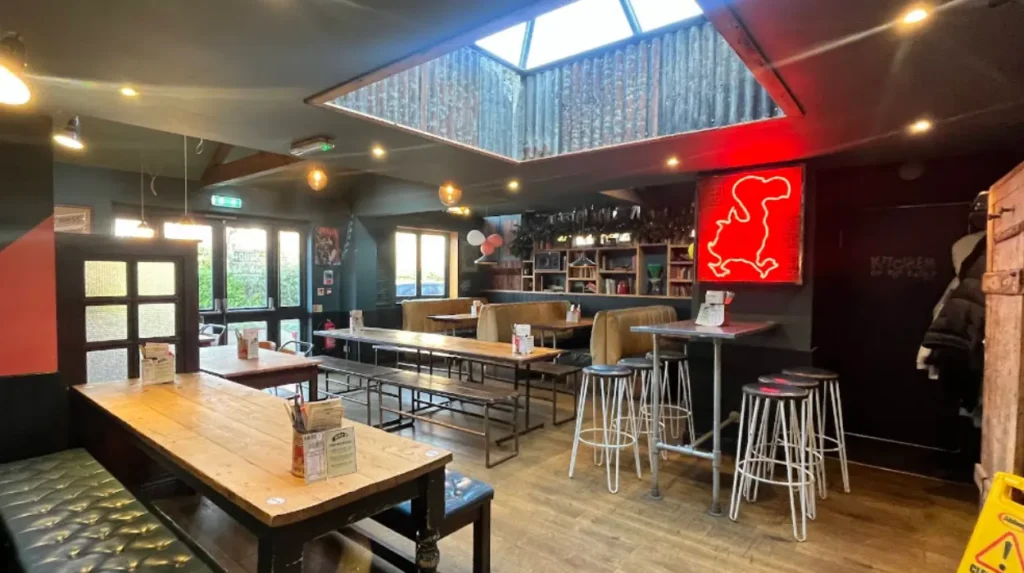
The architectural layout of the Rickety Press relies on a zoned floor plan designed to accommodate distinct customer behaviors simultaneously within a single commercial property. The main building utilizes a combination of open-plan social space and structural zones, featuring a traditional front bar area, an extended dining section, and a rear conservatory space designed for private venue hire. The interior design mixes industrial design components with traditional elements, using exposed brickwork, salvaged timber surfaces, and vintage lighting fixtures to reference the nineteenth-century industrial history of the Jericho area. The physical bar counter occupies a central location on the ground floor, managing the flow of customers and separating the casual drinking spaces from the formal wooden tables reserved for food service.
The rear conservatory acts as a flexible functional unit, utilizing glass paneling to maximize natural light entry and creating a visual connection to the outdoor urban environment of Cranham Street. This specific zone operates under commercial guidelines that allow for rapid conversion between public seating and closed private functions, supporting corporate gatherings, local academic events, and private family celebrations. The kitchen infrastructure incorporates a heavy-duty, high-temperature wood-burning pizza oven positioned to maintain visibility from the primary dining room tables, using visual culinary production to enhance customer engagement. The venue maintains a maximum indoor capacity limit compliant with local Oxfordshire fire safety regulations, utilizing structured furniture placement to ensure unimpeded pathways toward marked emergency exits.
Read More: To review ongoing municipal urban developments affecting local accessibility and infrastructure, see the Oxford City Council Mansfield College redevelopment plan.
What Forms the Culinary and Beverage Infrastructure of the Establishment?
The gastronomic model of the Rickety Press depends on a dual-focused menu system divided between slow-risen Neapolitan style pizzas and custom-blended, dry-aged beef burgers. The pizza production line relies on dough that undergoes a strict forty-eight-hour fermentation process to develop complex carbohydrates and improve gluten structural elasticity before baking. The raw dough rounds go into the specialized stone oven at temperatures reaching five hundred degrees Celsius, resulting in a fast cook time that yields a blistered outer crust alongside a moist internal crumb texture. The ingredient selection features specialized combinations, including the Bee Sting pizza, which uses Italian tomato pulp, fresh basil, mozzarella cheese, spicy pepperoni slices, and a post-bake drizzle of local hot honey.
The alternative menu focus consists of premium burgers constructed from custom beef patties made using a proprietary industrial blend of dry-aged beef rib, chuck, and brisket cuts sourced from grass-fed British cattle herds. These beef patties undergo a systematic aging process lasting up to forty days to maximize natural flavor concentrations and structural tenderness before undergoing high-temperature grilling. The standard culinary preparation applies intense direct heat to the meat surfaces until a caramelized outer crust forms via the Maillard reaction, sealing the natural lipid juices inside the patty structure. The finished burgers are served alongside side dishes like skin-on fries seasoned with fresh rosemary sea salt, or specialized variations such as fries coated in white truffle oil and grated parmesan cheese. The beverage selection features tap lines dedicated to independent craft beer productions, international lager choices, real ales from regional breweries, and custom house options like the signature beer named Our People.
How Does the Venue Interact with Local Urban Regulations and Economic Factors?
Phil Hearing
The commercial survival of urban hospitality venues within central Oxford depends heavily on adaptation to municipal environmental transport initiatives and evolving employment laws. The Rickety Press operates inside a residential zone directly affected by city wide transport interventions designed to mitigate vehicular greenhouse gas emissions and urban traffic jams. These measures include the localized low traffic neighborhood frameworks and ongoing debates regarding the future expansion of municipal environmental access penalties within the city core. These transport variations directly alter the logistics of commercial supply deliveries, requiring food and beverage vendors to adjust their vehicle drop-off schedules to avoid peak penalty hours.
Related Article: To understand how transport initiatives impact central businesses, see the breakdown of the congestion charge Oxford and how it works.
The business model must also adjust to changing labor market conditions and mandatory baseline salary changes across the wider Oxfordshire county service sector. As major retail entities adjust their entry-level operational remuneration packages, local independent hospitality groups face pressure to modify their employee retention strategies and base pay rates to remain competitive. This labor environment forces businesses like the Rickety Press to optimize their floor service procedures, using digital reservation tools and structured service systems to maximize revenue per staff member. The management of fixed operational overheads is critical to maintaining stable retail pricing for food items like pizzas and burgers, ensuring the pub remains attractive to price-sensitive student demographics.
Read More: For information on regional labor market adjustments and shifting hourly compensation trends, read about how Morrisons sets 13 hourly pay for customer assistants in Oxford.
What Role Does the Institution Play in Modern Community Culture?
The modern function of the Rickety Press extends beyond food service to operate as an intentional center for community neighborhood gathering and localized entertainment inside the Jericho ward. The venue organizes weekly public events designed to secure a reliable recurring customer base during low-volume mid-week trading periods, utilizing structured team trivia competitions every Tuesday evening. These pub quiz events follow standardized rules where local teams compete across multiple general knowledge categories, generating reliable beverage sales and high table occupancy metrics without requiring expensive external marketing. The venue also schedules screenings of international sports matches, such as UEFA European Championship football games, using public viewing options to capture transient tourist foot traffic and student sports societies.
The establishment maintains a specific accessibility policy that limits advance digital table reservations to less than fifty percent of the total available indoor seating capacity at any given time. This strategic operational rule ensures the physical space remains accessible to walk-in customers from the surrounding residential streets, preventing the venue from becoming an exclusive destination restaurant. This structural approach preserves the traditional British pub characteristic of a spontaneous social meeting house, fostering long-term brand loyalty among the permanent local population. The integration of community-focused events, accessible entry policies, and historically relevant design elements allows the Rickety Press to retain its distinct community value within an urban market undergoing rapid commercial gentrification.
FAQs About Rickety Press in Oxford
What are the operational opening hours for food service at the Rickety Press?
The establishment provides continuous food service seven days a week, opening the kitchen daily at midday to serve the lunch trade. The kitchen infrastructure operates until late evening hours, though exact terminal order times shift dynamically based on municipal licensing rules and seasonal student occupancy variations.
Does the venue provide complete accessibility options for individuals utilizing mobility devices?
The ground floor bar and main dining room zones feature level-surface flooring configurations that permit access for standard wheelchair configurations entering from Cranham Street. The upper administrative tiers and certain historic bathroom sections contain structural limitations due to the age of the building framework.
How does the establishment accommodate customers with specific dietary intolerances or vegan requirements?
The culinary team uses dedicated preparation zones to offer certified plant-based alternatives, including vegan mozzarella substitutions for wood-fired pizzas and alternative patties for burger selections. Customers with high-sensitivity celiac disease must notify floor staff before ordering to prevent cross-contamination within the high-volume flour environment.
Can the rear conservatory space be reserved for private commercial or academic functions?
The rear conservatory zone functions as a private venue hire space capable of accommodating mid-sized corporate groups, academic workshops, or family gatherings. These bookings require an advance monetary deposit system that is released back to the corporate account upon successful arrival and fulfillment of minimum spend targets.
What public transport options connect the central Oxford transit hubs directly to Jericho?
The venue is accessible via local municipal bus lines operating routes from the central Oxford railway station toward the Walton Street corridor. Visitors utilizing personal vehicles must navigate local residential parking permits and wider urban environmental transport boundaries established by the local district council.