The Oxford/Cambridge Boat Race is one of the oldest and most storied sporting rivalries in the world, and Oxford University has played a central role in shaping its story since the very first race in 1829. For the Oxford audience, this contest is more than just a race on the River Thames; it is a living tradition that intertwines student life, local history, and national sporting culture. Over nearly two centuries, Oxford’s Boat Race has evolved from a one‑off challenge between two friends into a global event that continues to define the city’s identity each spring.
- Origins: The First Oxford–Cambridge Race
- Moving to the Tideway: The Putney–Mortlake Course
- Growing an Annual Tradition
- Oxford’s Rowing Culture and the Blue Boat
- Modern Era: Technological and Tactical Evolution
- Women, Lightweight, and the Full Oxford Boat Racing Programme
- Dramatic Moments in Oxford’s Boat Race History
- Oxford’s Boat Race and the City’s Identity
- Why Oxford’s Boat Race Remains Evergreen
Origins: The First Oxford–Cambridge Race
The roots of the Oxford Boat Race lie in the early 1820s, when rowing was gaining popularity among university students and at public schools such as Harrow. Charles Merivale, a student at St John’s College, Cambridge, and his former school friend Charles Wordsworth of Christ Church, Oxford, are widely credited with conceiving the idea of a formal race between the two universities.
In February 1829 the Cambridge University Boat Club issued an official challenge to Oxford “to row a match at or near London, each in an eight‑oared boat” during the Easter vacation. The race was ultimately postponed until the summer and held on 10 June 1829 at Henley‑on‑Thames, a stretch of the Upper Thames in Oxfordshire familiar to both schools.
Oxford accepted the challenge and assembled a crew largely drawn from Christ Church, which had already adopted dark blue as its rowing colour. On race day, thousands of spectators—estimates range from 15,000 to 20,000—lined the banks of the Thames between Hambleden Lock and Henley Bridge as the two boats prepared to start. Oxford won the inaugural contest “easily,” completing the roughly 2¼‑mile course in about 14 minutes and 30 seconds and establishing the first line in the Boat Race record books.
Moving to the Tideway: The Putney–Mortlake Course
After the success of the 1829 Henley race, there was no immediate plan to repeat it every year. Disagreements over venues and timing led to long gaps between contests, with only a second race held in 1836, this time from Westminster to Putney in London.
The decisive shift came in 1845, when the course was fixed between Putney and Mortlake on the tidal Thames, a stretch that now forms the classic “Tideway” course still used today. This four‑mile, 374‑yard route, with its bends, bridges, and complex currents, demanded greater technical skill and strategic planning than the calmer Upper Thames at Henley.
Oxford’s rowers had to adapt to the tidal conditions, the stronger river traffic, and the psychological pressure of racing in front of large London crowds. The relocation cemented the Boat Race as a London‑centric spectacle, but it also strengthened Oxford’s connection to the Thames, since so many modern Oxford rowers must train and test themselves on the same waters.
Growing an Annual Tradition
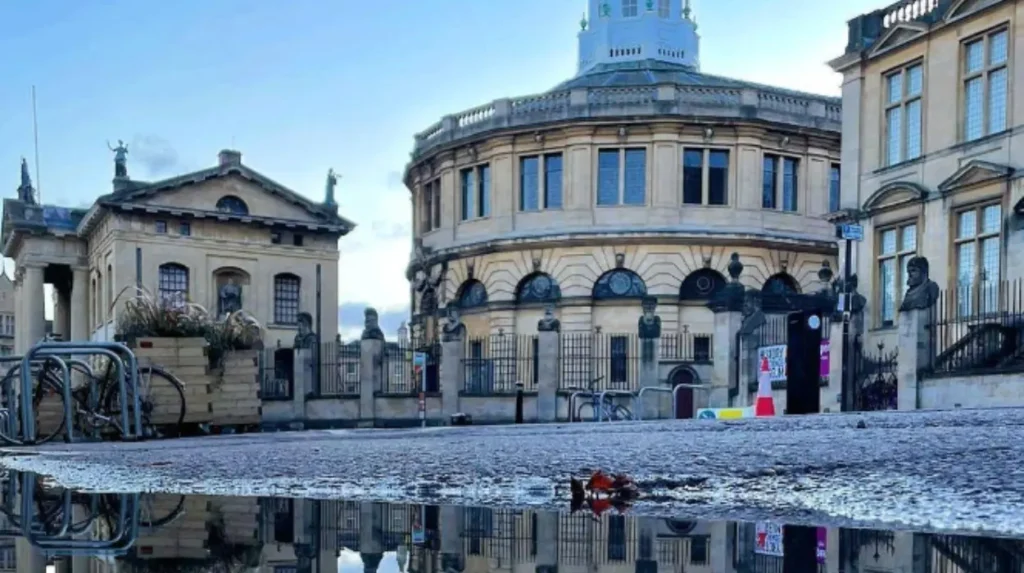
By the mid‑1850s the Oxford–Cambridge contest had crystallised into an annual event. Since 1856 the men’s race has been held almost every year, interrupted only by the two World Wars and the 2020 pandemic, when the race was not completed.
For Oxford, the annual race became a fixture in the academic calendar, with student rowers training intensively through the winter to prepare for the spring start. The concept of “the loser challenges the winner to a re‑match” was formalised in the early years and helped lock in the expectation of an annual contest.
Oxford’s Boat Race history in this period is marked by fluctuating fortunes: there were years of dominance, long stretches of Cambridge success, and occasional dramatic finishes that shifted the long‑term balance of the series. Over time, the race’s overall record became a core part of Oxford’s sporting identity, with fans and alumni closely tracking the cumulative Oxford–Cambridge tally.
Oxford’s Rowing Culture and the Blue Boat
To understand Oxford’s Boat Race, it helps to understand the broader culture of rowing at the university. Rowing at Oxford predates the formal Boat Race; college boat clubs and inter‑college regattas had existed for decades before the 1829 challenge.
The creation of the Oxford University Boat Club after the early races helped professionalise training, selection, and strategy. The “Blue Boat,” the senior men’s eight that rows for Oxford in the Boat Race, became the most visible symbol of this tradition, with membership regarded as one of the highest honours in student sport.
Oxford’s dark blue, derived from Christ Church’s original boat colours, was gradually adopted as the university’s official racing colour and now appears in the Oxford men’s Boat Race kit. This distinctive blue has become synonymous with Oxford’s identity on the river, just as Cambridge’s light blue marks its rivals.
Modern Era: Technological and Tactical Evolution
From the late nineteenth century into the twentieth and twenty‑first centuries, Oxford’s Boat Race saw a steady evolution in boat design, training methods, and sports science. Wooden shells were gradually replaced by lighter composite materials, and training became more systematic, incorporating diet, strength conditioning, and technical analysis.
Oxford crews began to benefit from advances in coaching, video analysis, and on‑water data collection, allowing coaches to fine‑tune stroke technique and race strategy. The highly tactical nature of the Putney–Mortlake course—where positioning on the bends, river currents, and wind can all influence the result—meant that Oxford’s coaches and crews spent considerable time planning how to navigate each stage of the race.
Result times in the modern era have steadily improved, with sub‑17 minute finishes now possible under ideal conditions. Oxford’s fastest times in the Boat Race stand as milestones in the university’s sporting history, reflecting not only raw power but also disciplined preparation and in‑race decision‑making.
Women, Lightweight, and the Full Oxford Boat Racing Programme
While the men’s Oxford–Cambridge Boat Race is the most famous, Oxford’s Boat Race history now extends across several categories. The women’s Boat Race, which began as a separate event in the 1920s and later merged into the modern April race day format, has become a major showcase for Oxford’s female rowers.
Oxford’s women’s Blue Boat competes against Cambridge on the same Tideway course, often with the same level of intensity and spectacle as the men’s race. The growth of women’s rowing at Oxford reflects broader changes in university sport and in British society, as more opportunities opened for female athletes in the latter half of the twentieth century.
In addition to the main events, Oxford fields lightweight crews and reserve (“Isis” for Oxford men and “Osiris” for Oxford women) that race against their Cambridge counterparts. These supporting races enrich the Boat Race day, giving more Oxford students a chance to compete at the highest university level and deepening the city’s connection to the contest.
Dramatic Moments in Oxford’s Boat Race History
Within the long chronicle of Oxford’s Boat Race, certain moments stand out as defining chapters. These include dramatic finishes, controversial restarts, and unexpected setbacks that have shaped collective memory and media coverage.
One notable example came in 1877, when the race was declared a “dead heat” after both crews crossed the line together, marking the only official dead heat in the contest’s history. More than a century later, modern technology has made such ambiguity extremely unlikely, but that 1877 race remains a key reference point in Oxford’s narrative.
Other iconic Oxford moments include come‑from‑behind victories, years when Cambridge seemed to control the race but were overtaken on the final strokes, and races disrupted by weather, accidents, or even safety incidents. Each of these episodes has fed into the folklore of Oxford’s Boat Race, turning individual races into lasting stories that are retold every spring.
Oxford’s Boat Race and the City’s Identity
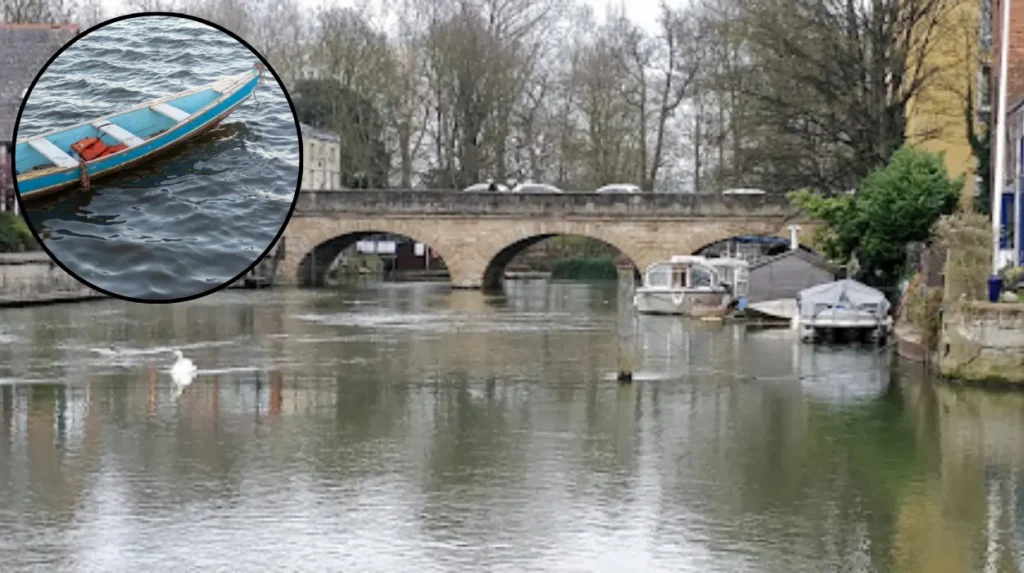
For the people of Oxford, the Boat Race is more than a London‑centred event; it is part of the city’s cultural DNA. The colours of Oxford blue, the image of the Isis rowing on the Cherwell and the Thames, and the presence of college boat houses along the river all connect daily life in Oxford to the larger Boat Race tradition.
Local pubs, bookshops, and cafés often tie into Boat Race day with themed events, and Oxford‑based alumni around the world follow the race as a way of staying connected to the city. The contest also interfaces with Oxford’s broader sporting culture, from college rowing competitions to charity “bumps” races, reinforcing the idea that rowing is not just an elite pursuit but a living community activity.
Why Oxford’s Boat Race Remains Evergreen
The history of Oxford’s Boat Race is inherently evergreen because it rests on enduring themes: rivalry, tradition, and the timeless appeal of sport on the river. Unlike coverage of a single year or a specific regatta, this narrative spans nearly two centuries and can be updated with new results without losing its core value.
For SEO purposes, the Boat Race intersects with multiple high‑interest topics—Oxford history, rowing, student life, and British sporting culture—making it a powerful anchor for evergreen content aimed at an Oxford audience. By linking broad historical sections with specific dates, venues, and key Oxford‑centred details, this article positions itself as a durable, authoritative resource that can rank well for both topic‑based and long‑tail queries.
The history of Oxford’s Boat Race is a story of students, rivers, and centuries‑old rivalry, all viewed through the lens of a city that continues to take pride in its blue boats on the Thames. From the first race at Henley‑on‑Thames in 1829 to the modern Putney–Mortlake spectacle, Oxford’s part in this contest has helped shape one of the most enduring traditions in British sport.
What is the Oxford Boat Race scandal?
In recent years, coverage of The History of Oxford’s Boat Race has included a high‑profile rowing eligibility dispute, often dubbed the “Oxford Boat Race scandal,” over whether certain Cambridge trainee‑teacher (PGCE) students met the race’s “12‑year rule” for competing.
Who has won more boat races Oxford or Cambridge?
As covered in The History of Oxford’s Boat Race, Cambridge leads the men’s series, having won 88 times compared with Oxford’s 81 victories, plus one dead‑heat, and has held the lead since 1930. In the women’s Boat Race, Cambridge also has the upper hand, with 48 wins to Oxford’s 30.
What is the cracknell rule?
There is no widely recognised “Cracknell rule” in the Boat Race or mainstream rowing; The History of Oxford’s Boat Race instead references Olympic rower James Cracknell in the context of broader GB‑rowing debates and coaching culture. The term may be a mishearing or informal label, not an official Boat‑Race‑specific regulation.
What does 42 mean in rowing?
In The History of Oxford’s Boat Race and general rowing terminology, 42 commonly refers to a stroke rate of about 42 strokes per minute, often used in the early phase of a race to build momentum. Coaches and coaches’ notes indicate that crews may start at 42–48, then settle to a lower rate in the middle of the race.
What burns more calories, stairs or rowing?
In the context of The History of Oxford’s Boat Race, rowing is often cited as a high‑calorie‑burn cardio workout, typically burning more per minute than climbing stairs at a moderate pace, especially at race‑like intensity.