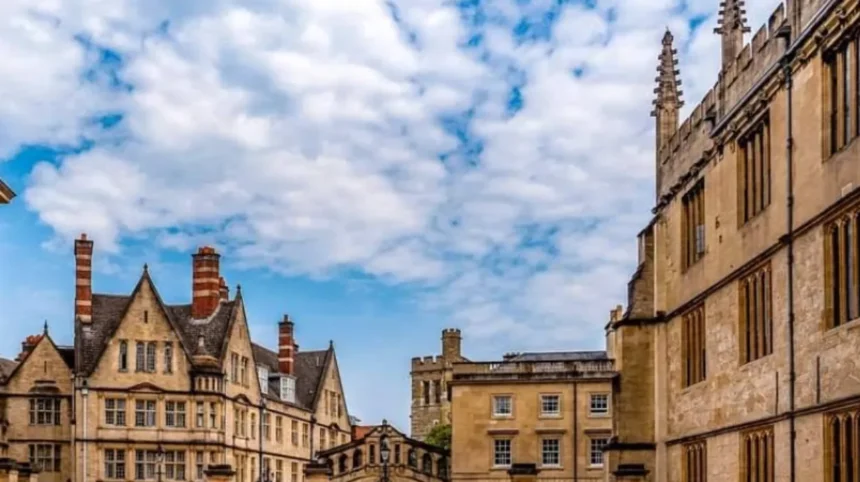
Formal hall dinners at Oxford colleges represent one of the university’s most cherished traditions, blending medieval origins with modern camaraderie. These elegant evening meals bring students, fellows, and guests together in historic dining halls, fostering intellectual exchange and a profound sense of community. Rooted in centuries of academic heritage, they offer a timeless glimpse into Oxford’s enduring prestige.
- Origins and Historical Evolution
- Significance in Oxford College Life
- Typical Structure of a Formal Hall
- Variations Across Oxford Colleges
- Etiquette and Modern Customs
- The Menu: Culinary Highlights
- Iconic Dining Halls and Architecture
- Formal Halls for Guests and Visitors
- Enduring Appeal in Contemporary Times
Origins and Historical Evolution
The tradition of formal hall dinners traces back to the medieval foundations of Oxford University, established in the 12th and 13th centuries. During this era, colleges like Balliol and Merton were created as self-contained communities where scholars lived, studied, and dined communally. Meals in the great halls served not just sustenance but also reinforced social bonds and discipline; misbehavior could even result in dining penalties, underscoring their centrality to college life.
As the collegiate system matured through the Renaissance and into the Victorian period, these gatherings evolved from simple refectories into ceremonial events. Ornate wood paneling, soaring ceilings, and portraits of illustrious alumni transformed the halls into symbols of prestige. By the 19th century, formal halls had incorporated Latin graces, hierarchical seating at the “high table” for fellows, and structured menus, reflecting Oxford’s status as a pillar of British intellectual society.
In the 20th century, while adapting to contemporary tastes—such as inclusive guest policies and diverse cuisines—the core rituals persisted. Today, amid Oxford’s 39 colleges, formal halls maintain their role in bridging past and present, with each institution adding unique flourishes. This evolution ensures their relevance, making them a staple for over 25,000 students annually.
Significance in Oxford College Life
Formal hall dinners hold profound cultural and social importance, acting as the heartbeat of college identity. They provide a rare pause in the intense academic routine, encouraging conversations that span disciplines from quantum physics to classical literature. In an era of digital isolation, these meals cultivate face-to-face connections, vital for personal growth and networking.
For freshmen, the first formal hall marks a rite of passage, immersing them in Oxford’s storied atmosphere. Graduates often reminisce about these nights as pivotal, where lifelong friendships and mentorships formed amid candlelit tables. Colleges like Christ Church, with its Harry Potter-esque hall, amplify this magic, drawing global fascination.
Beyond students, formal halls reinforce institutional pride. Guest speakers—alumni, dignitaries, or experts—elevate discussions, while charitable variations support college funds. In essence, they embody Oxford’s motto, “Dominus Illuminatio Mea,” illuminating minds through shared ritual.
Typical Structure of a Formal Hall
A standard formal hall unfolds with precision, usually commencing between 7:00 and 7:30 PM and lasting 1.5 to three hours. Participants don subfusc (academic dress) or smart attire, gathering in the hall adorned with silverware, fine china, and flickering candles. The evening opens with a Latin grace recited by a fellow at the high table, invoking blessings on the meal.
Seating follows a deliberate hierarchy: fellows at the elevated high table, undergraduates below, and graduates interspersed. Courses arrive sequentially—a starter like soup or pâté, a hearty main such as roast beef or vegetarian Wellington, and dessert like sticky toffee pudding—paired with college wine or brought bottles where permitted. Between courses, scouts (college staff) clear plates efficiently, maintaining the rhythm.
The conclusion signals when the high table departs, often ringing a bell after a final Latin phrase. Diners rise in silence, then resume or exit, sometimes capturing the moment in photos. This choreography, honed over generations, ensures every attendee feels part of something grander.
Variations Across Oxford Colleges
While sharing core elements, formal halls vary delightfully by college, reflecting individual histories and vibes. At St Edmund Hall, Thursday formals offer a relaxed three-course affair with wine, capped at 130 guests, while Sundays demand black tie for heightened elegance at £26.50 per ticket.
New College alternates Friday guest nights between undergraduate (JCR) and graduate (MCR) crowds, featuring premium menus sans gowns but with wine options. Christ Church’s cavernous hall, paneled since 1529, hosts lavish feasts under stained glass, evoking Hogwarts. Magdalen College emphasizes musical graces, blending choral traditions into the meal.
Smaller colleges like St Hilda’s or larger ones like Keble adapt scales—intimate tables versus long benches—but all prioritize inclusivity. Termly “bunts” or feasts amplify extravagance with extra courses, ensuring variety keeps the tradition fresh across Oxford’s diverse tapestry.
Etiquette and Modern Customs
Navigating formal hall etiquette requires attentiveness to unspoken rules, blending respect with enjoyment. Arrive early to sign in and secure seats; tardiness disrupts the grace. Speak clearly but not boisterously, toasting the queen or college if prompted, and avoid placing elbows on tables or phones in sight.
“Sconcing”—a playful penalty for faux pas like mismatched cutlery—persists in some halls, fining offenders a drink measure amid cheers. Wine flows freely but responsibly; overindulgence risks staff intervention. For guests, colleges like Teddy Hall charge fees, emphasizing reciprocity.
Contemporary twists include dietary accommodations (vegan, halal) and hybrid events post-pandemic, yet reverence endures. Observing the high table’s lead—standing for grace, sitting post-bell—ensures seamless participation, honoring traditions while welcoming newcomers.
The Menu: Culinary Highlights
Oxford formal hall menus celebrate British classics with seasonal flair, typically spanning three courses for balanced indulgence. Starters might feature smoked salmon, seasonal salads, or velvety butternut squash soup, setting a refined tone. Mains showcase roasts—lamb with rosemary, chicken chasseur—or plant-based alternatives like mushroom Wellington, sourced from local suppliers.
Desserts evoke comfort: Eton mess, crème brûlée, or cheese boards with Oxford Blue. Special halls introduce extravagance, such as game pie during hunts or themed feasts. Wine lists favor college cellars, with clarets and ports from historic vintages, though BYOB enhances personalization.
Sustainability shapes modern offerings; colleges prioritize organic produce, reducing waste via portion control. This gastronomic evolution marries heritage recipes—think medieval pottages updated—with global influences, mirroring Oxford’s cosmopolitan student body.
Iconic Dining Halls and Architecture
Oxford’s dining halls are architectural jewels, each narrating college lore. Christ Church’s Great Hall, built 1529, boasts hammerbeam roofs and Reynolds portraits, inspiring Hogwarts’ set. Magdalen’s 15th-century hall glows with oak paneling and a minstrels’ gallery for post-dinner song.
Balliol’s newer yet grand space contrasts medieval restraint with Victorian opulence, while Trinity’s intimate nook fosters closeness. These venues, often lit by chandeliers, amplify the occasion’s theater—echoing footsteps on flagstones, the clink of silver evoking ghosts of scholars past.
Preservation efforts, backed by alumni endowments, maintain splendor; recent restorations at Queen’s College unveiled frescoes. Wandering these halls pre-dinner reveals hidden treasures, deepening appreciation for formal hall’s sensory immersion.
Formal Halls for Guests and Visitors

External visitors can partake via student invitations or public “open formals,” especially at colleges like Worcester or Linacre. Tickets range £20-£40, including meals; book ahead as spots fill fast. Summer schools and alumni events extend access, blending tourists with tradition.
Prospective students attend via open days, sampling the ritual to gauge college fit. Corporate or charity formals host outsiders, with proceeds aiding bursaries. These opportunities demystify Oxford, proving formal halls bridge academia and public curiosity.
Post-dinner, quads host informal gatherings, extending the evening’s warmth. For Oxford locals or day-trippers, they offer authentic heritage without lectures—pure, plated history.
Enduring Appeal in Contemporary Times
Formal hall dinners thrive amid 21st-century shifts, their ritual countering fast-paced life. Mental health benefits emerge from structured socializing, combating student burnout. Social media amplifies allure, with Instagram reels of candlelit feasts drawing 35-college challenges.
Globalization infuses diversity—international students introduce fusion dishes—yet core values persist. Amid debates on elitism, inclusivity initiatives like free graduate halls broaden reach. They remind us: in a transient world, some traditions nourish eternally.
Oxford’s formal halls, tallying thousands yearly, affirm their vitality. They sculpt character, spark ideas, and create memories—proving why this medieval custom captivates each Michaelmas term anew.
What to wear to a formal dinner at Oxford University?
For formal hall dinners at Oxford colleges, men typically wear dark suits with ties, while women opt for elegant dresses or skirts. Many colleges require academic gowns (subfusc) over smart attire; always check specific college guidelines ahead.
Which is the hardest Oxford college to get into?
Magdalen College holds the title as the hardest Oxford college to enter, with an acceptance rate around 9-10% due to high application volumes. Its prestige and limited spots make competition fierce for prospective students.
What is the friendliest college at Oxford?
Keble College is widely regarded as one of Oxford’s friendliest, thanks to its vibrant, welcoming student community and inclusive atmosphere. Brasenose also earns praise for balancing sociability with academics.
Which Oxford college was Harry Potter filmed in?
Christ Church College served as a key Harry Potter filming location, with its Great Hall inspiring the Hogwarts Dining Hall and the staircase featuring in entrance scenes. This ties beautifully into the magical ambiance of formal hall dinners.
What is the dropout rate for Oxford students?
Oxford’s undergraduate dropout rate hovers around 1-2% annually, far below the UK average, reflecting strong support systems and student commitment. Formal halls play a role in fostering retention through community bonds.