Oxford University’s Encaenia stands as one of the most captivating summer ceremonies in academia, blending ancient rituals with modern honors. Held annually in late June, this event draws scholars, dignitaries, and visitors to witness a spectacle of tradition and achievement.
Origins of Encaenia
The Encaenia ceremony traces its roots to the vibrant traditions of Oxford’s medieval academic life. Derived from the Greek word meaning “festival of renewal” or “dedication,” it echoes ancient celebrations linked to temple consecrations in biblical times. Originally part of a grander occasion called “The Act,” Encaenia evolved from public disputations and festivities that showcased university prowess as early as the 16th century.
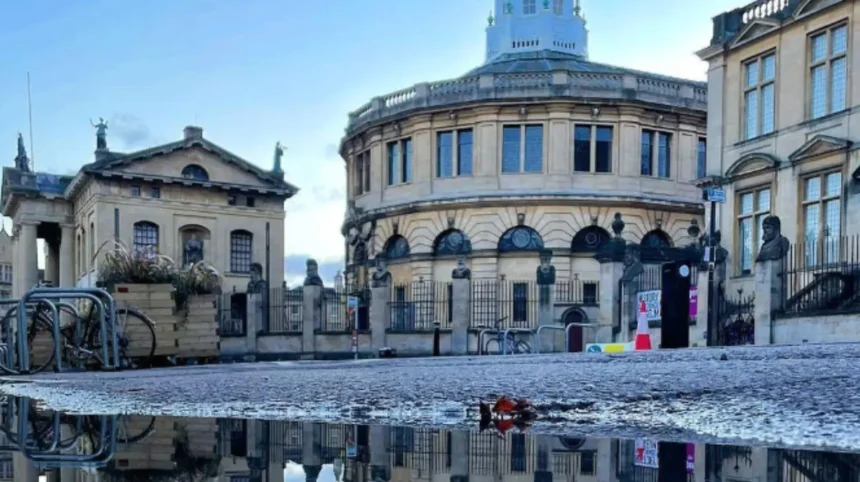
By the mid-17th century, the event had outgrown its initial venue at the University Church of St Mary the Virgin, which many deemed too modest for such pomp. In 1670, it relocated to the newly built Sheldonian Theatre, designed by Sir Christopher Wren, where its core elements solidified. This shift marked a turning point, emphasizing elegance and formality over the rowdier aspects of earlier gatherings, like the satirical speeches by the Terrae Filius, or “Son of the Earth,” known for their biting wit and occasional scandals.
The ceremony’s modern form owes much to 18th-century benefactor Nathaniel Crewe, Bishop of Durham and former Rector of Lincoln College. His enduring legacy funds key features, ensuring Encaenia remains a tribute to both intellectual giants and generous supporters.
Ceremony Schedule
Encaenia unfolds over a meticulously planned day, typically the Wednesday of the ninth week in Trinity Term, Oxford’s summer quarter. The 2026 event, for instance, is set for June 24, with registration opening in early May. It begins with a procession of robed honorands and senior academics winding through Oxford’s historic streets, from Broad Street to the Divinity School for the formal signing of the Honorary Degrees Book.
The main proceedings commence around 11:30 a.m. in the Sheldonian Theatre, a venue famed for its painted ceiling by Robert Streeter depicting the triumph of religion and science. Following this, attendees enjoy a benefactors’ lunch and conclude with a garden party at the Master’s Lodgings in Holywell Street or nearby college grounds. This sequence creates a full day of immersion in Oxford’s ceremonial rhythm, blending solemnity with celebration.
Key Highlights Inside Sheldonian
At the heart of Encaenia lies the award of honorary degrees to an elite roster of global figures in arts, sciences, politics, and beyond. Each honorand receives a personalized presentation by the Public Orator, delivered entirely in resonant Latin—a linguistic nod to Oxford’s classical heritage. The Chancellor, currently Lord Hague as of recent ceremonies, admits them amid applause, underscoring the university’s enduring prestige.
A standout moment is the Creweian Oration, named for Lord Crewe’s bequest. Delivered annually, it reflects on the academic year’s triumphs and pays homage to benefactors, weaving narrative with gratitude. Every second year, the Professor of Poetry offers a concluding address, often poetic and reflective, adding an artistic flourish to the proceedings.
Music elevates the atmosphere, with brass fanfares and organ voluntaries filling the theatre. Graduates in scarlet academic dress process in, creating a sea of color under the painted dome, while the audience—clad in formal attire—absorbs the pageantry. These elements combine to make Encaenia not just a degree conferral, but a living tapestry of Oxford’s scholarly soul.
Procession and Street Spectacle
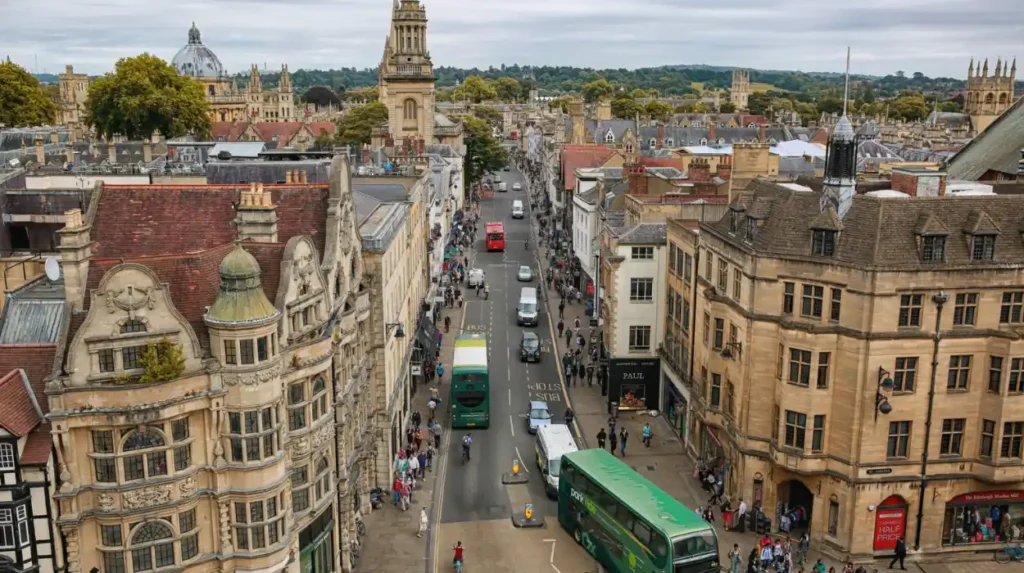
No account of Encaenia would be complete without its iconic procession, a highlight that transforms Oxford’s cobbled lanes into a living history book. Robed figures in convocation attire—chancellors, vice-chancellors, proctors, and honorands—march from the Divinity School, past the Bodleian Library, to the Sheldonian. This parade, rooted in centuries-old custom, draws crowds who line Broad Street, capturing photos of the scarlet gowns fluttering against honeyed stone facades.
The visual drama peaks with the university bedels, mace-bearers whose silver maces symbolize authority, leading the way. Weather permitting, the June sun bathes the scene in golden light, amplifying the medieval aura. For locals and tourists alike, this public procession offers a rare glimpse into Oxford’s ceremonial machinery, far more accessible than the ticketed theatre event.
Honorary Degrees Through History
Encaenia’s honorary degrees have crowned luminaries since at least 1566, evolving from royal favorites to diverse achievers. Early recipients included figures like Elizabeth Woodville, wife of Edward IV, marking the ceremony’s ties to British monarchy. By the 19th century, it honored scientists like Charles Darwin and writers such as Matthew Arnold, reflecting Oxford’s broadening scope.
Modern highlights feature an eclectic mix: politicians like Bill Clinton in 1994, scientists including Stephen Hawking, and cultural icons from J.K. Rowling to David Attenborough. Recent years have seen honors for figures like Penny Mordaunt and Bryan Cox, showcasing inclusivity across genders and fields. Each award reinforces Oxford’s role as a global intellectual beacon, with Latin citations encapsulating lifetimes of impact in eloquent brevity.
Role of Latin and Rhetoric
Latin remains Encaenia’s linguistic cornerstone, preserving a tradition unbroken since the university’s founding. The Public Orator’s speeches, crafted with rhetorical flair, praise honorands’ virtues—eloquence for artists, rigor for scientists—in Ciceronian style. This practice not only honors classical education but immerses participants in Oxford’s humanistic ethos.
Listeners, even without fluency, feel the cadence’s power, akin to hearing Shakespeare performed live. The Creweian Oration similarly employs Latin to chronicle benefactions, linking past generosity to present vitality. In an era of digital brevity, this commitment to ancient tongue underscores Encaenia’s defiance of transience.
Benefactors’ Garden Party
As the theatre empties, Encaenia shifts to conviviality at the garden party, a highlight for networking amid blooming college gardens. Held on manicured lawns, it features strawberries, champagne, and live music, attended by 1,500 guests including honorands and university VIPs. This post-ceremony revelry, funded partly by Crewe’s endowment, fosters connections that extend Oxford’s influence.
The setting—often Merton or Wadham College grounds—enhances the charm, with punts gliding on nearby Cherwell and spires piercing the sky. For attendees, it’s a moment to decompress from formality, sharing anecdotes under marquees as the sun dips.
Modern Adaptations and Attendance
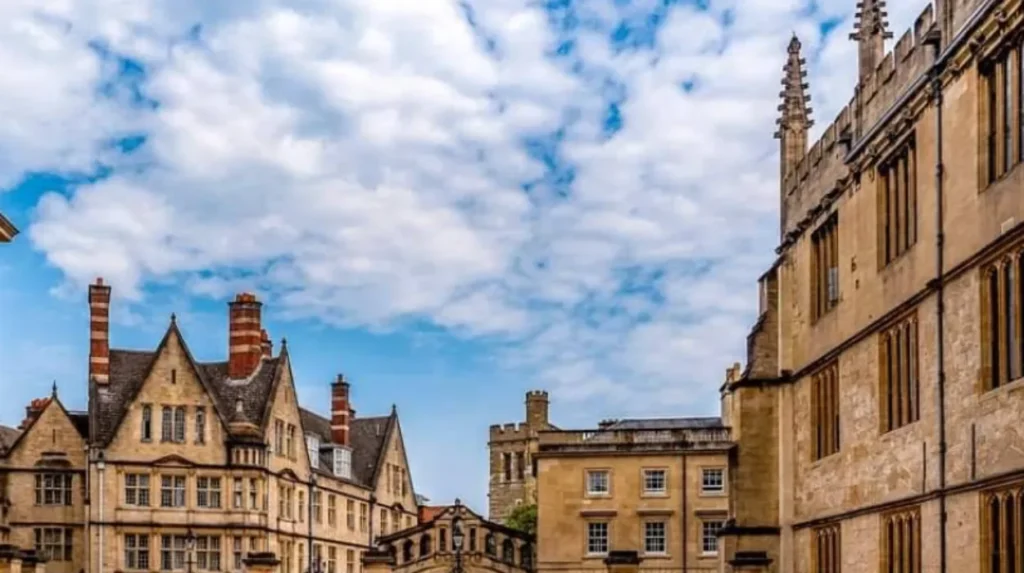
While steeped in antiquity, Encaenia adapts to contemporary needs. Online streaming has made highlights accessible since the pandemic era, with registration via the university portal ensuring smooth access. Tickets prioritize alumni, fellows, and guests, but public processions remain open, balancing exclusivity with community engagement.
Sustainability efforts now include digital programs, reducing paper use, while diverse honorand selections reflect Oxford’s evolving inclusivity. These tweaks ensure the ceremony’s relevance, captivating new generations without diluting its essence.
Cultural Significance Today
Encaenia encapsulates Oxford’s identity: a bridge between eras where past glories fuel future ambitions. It reminds the world of the university’s 900-year legacy, from medieval disputations to cutting-edge research. In a fast-changing landscape, this summer rite affirms enduring values—excellence, patronage, and communal celebration.
For Oxford residents, it’s a highlight of the calendar, boosting local pride and tourism. Globally, it symbolizes academic aspiration, streamed to inspire scholars everywhere. As climate and politics shift, Encaenia’s renewal festival spirit endures, a testament to resilient tradition.
Attending Encaenia Tips
Prospective visitors should book early via ox.ac.uk, donning smart attire—no denim or trainers for garden party guests. Arrive by mid-morning for procession views, and explore nearby Radcliffe Camera post-event. Weather in June is mild, but pack layers for theatre stone.
What degree did Mo Farah get?
Sir Mo Farah received an honorary Doctor of Science degree from Oxford University at the Encaenia ceremony on June 25, 2025. This prestigious award celebrated his remarkable achievements as a four-time Olympic champion in long-distance running.
What is the difference between convocation and encaenia?
Convocation refers to the general assembly of Oxford’s academic community for governance and graduations, while Encaenia is the specific annual summer ceremony awarding honorary degrees and honoring benefactors with Latin orations at the Sheldonian Theatre.
Who are the billionaire alumni of Oxford University?
Oxford boasts 10 billionaire alumni with a combined wealth of $47.1 billion, including Alex Beard (Glencore CEO, $1.8B), Sir Michael Moritz (investor in Google and PayPal, $6.8B), Sir Leonard Blavatnik, Ratan Tata, and the Reuben brothers.
What did Hugh Grant study at Oxford?
Hugh Grant studied English literature at New College, Oxford, where he graduated in 1982 and first became involved in acting during his senior year through the Oxford University Dramatic Society.
Who is the most famous person to go to Oxford University?
Fame is subjective, but Bill Clinton stands out as one of Oxford’s most globally recognized alumni, having attended as a Rhodes Scholar; other icons include Hugh Grant, Emma Watson, Stephen Hawking, and numerous prime ministers.