Key Points
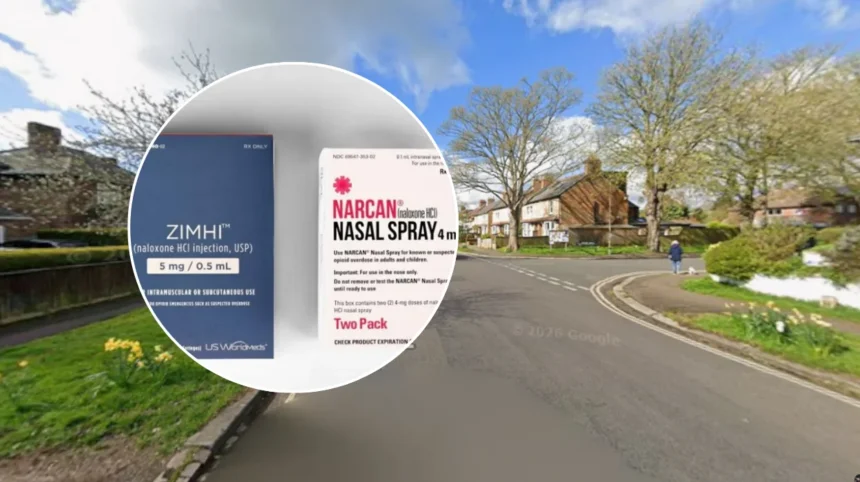
- The Oxford Police Department held Narcan overdose reversal training sessions for students and community members.
- The University of Mississippi confirmed the deaths of two undergraduate students, identified by peers as 18-year-old freshman Aidan Hamilton and 20-year-old junior Robert Strang.
- The Oxford Police Department, University Police Department, and Lafayette County Sheriff’s Office are conducting two separate death investigations.
- Law enforcement found packaged commercial kratom products at both scenes and warned against unregulated over-the-counter substances while toxicology reports remain pending.
- Narcotics agents raided a local vape store, arrested two people, and seized about 500 units of kratom products.
- Campus officials and narcotics units issued warnings against unverified online rumours, synthetic compounds such as cyclorphine, and unprescribed substances.
OXFORD (Oxford Daily) October 2, 2026 — As reported by Alyssa Schnugg of The Oxford Eagle, the Oxford Police Department in conjunction with local emergency responders initiated harm-reduction public outreach and Narcan administration training sessions following separate, ongoing death investigations involving two University of Mississippi students.
As detailed by Michael Goldberg of Mississippi Today, state and local authorities launched the rapid public health response to distribute life-saving opioid antagonist supplies after two student fatalities sparked urgent campus community alarm.
As documented by Lily Green and Chloe Kleeman of The Daily Mississippian, law enforcement dispatched officers to Stewart Hall on campus at 1:39 p.m., where emergency responders performed CPR on freshman Aidan Hamilton prior to his pronounced death. Concurrently, local emergency services responded to a secondary off-campus location where junior Robert Strang was located deceased.
As stated by Vice Chancellor for Student Affairs Shawnboda Mead of the University of Mississippi in a formal email statement to the campus community: “The University is heartbroken by the recent loss of two students and extends our condolences to their families, friends and loved ones during this difficult time”.
Vice Chancellor Mead added: “We are aware that considerable unverified information is circulating on social media and in the community regarding these recent student deaths. The Coroner’s Office has confirmed two student deaths, and University Police are not aware of any additional student deaths”.
As reported by Madison Scarpino of Fox News, law enforcement agencies raided a local Oxford vape retailer, resulting in two arrests and the confiscation of 500 units of packaged kratom products. However, authorities stressed that official connections between the arrests and the fatalities remain under active forensic review.
As reported by law enforcement officials representing Lafayette County Metro Narcotics, packaged kratom purchased from retail establishments was identified during initial processing of both locations.
A spokesperson for Lafayette County Metro Narcotics publicly clarified the investigation parameters, stating: “Out of an abundance of caution, we encourage people to avoid kratom and any other medication or substance that was not prescribed to them or obtained from a trusted, regulated source”.
The agency spokesperson further confirmed that law enforcement currently possesses “no confirmed information indicating kratom or any other substance contributed to either death” pending final autopsy and toxicology findings from the State Medical Examiner’s Office.
As reported in campus administrative notices by The Daily Mississippian, campus harm-reduction infrastructure experienced unprecedented demand, leaving automated Narcan vending machines across the university campus completely depleted within hours of the public notices.
In response, student Greek life organizations cancelled scheduled social gatherings, while sending internal safety notices warning members against potent synthetic opioids like cyclorphine that bypass standard fentanyl test strips.
What Is the Background of the Particular Development?
The implementation of community-wide Narcan training by the Oxford Police Department follows years of escalating concern over synthetic opioids, adulterated over-the-counter novel substances, and accidental poisonings across college campuses in the United States.
Over the last decade, public health agencies across Mississippi have expanded access to naloxone—a needle-free nasal spray engineered to rapidly reverse life-threatening opioid-induced respiratory depression. Simultaneously, university campuses throughout the American South have installed free naloxone distribution kiosks to mitigate harm among young adults.
Kratom (Mitragyna Speciosa), a tropical tree native to Southeast Asia containing alkaloid compounds that act on opioid receptors, remains widely legal at the federal level and is commercially sold across Mississippi in gas stations, convenience stores, and specialized vape shops.
However, federal health agencies including the U.S. Food and Drug Administration (FDA) have repeatedly issued consumer advisories concerning the risks of unapproved kratom derivatives, which are frequently adulterated with synthetic opioid research chemicals, novel psychoactive substances, or heavy metal contaminants.
The convergence of unverified social media speculation, rapid public panic, and the sudden depletion of campus safety resources prompted Oxford municipality leaders and local police departments to intervene directly. By organizing structured overdose prevention training, police officials aimed to standardize emergency response capabilities across student housing, local businesses, and municipal staff.
How Will This Development Affect University Students and the Oxford Community?
The direct implementation of specialized Narcan training and heightened retail scrutiny is expected to exert immediate structural and behavioral impacts on the primary target audience: University of Mississippi students, local residents, and municipal business operators in Oxford.
Increased Community Preparedness and Harm Reduction
By equipping students, local store clerks, and university personnel with hands-on naloxone training, the Oxford Police Department creates a robust peer-to-peer safety net. Immediate access to overdose reversal knowledge reduces emergency response latency during accidental substance exposures or polydrug poisonings, directly decreasing the likelihood of fatal outcomes during acute medical crises.
Stricter Regulatory Enforcement on Local Retailers
The recent raids and product seizures by Lafayette County Metro Narcotics signal an aggressive regulatory shift for local Oxford businesses selling herbal extracts, synthetic compounds, and unregulated supplements. Retail establishments face increased compliance inspections, inventory auditing, and legal liability regarding the sale of misbranded or adulterated products to underage university patrons.
Shifts in Student Culture and Campus Policy
The tragic loss of two peers, coupled with official law enforcement intervention, is likely to accelerate institutional policy changes within the University of Mississippi administration and Greek life systems. Expect mandated harm-reduction education during student orientations, routine restocking protocols for campus safety kiosks, and heightened institutional vigilance surrounding campus social events and off-campus gatherings.