Key Points
- DUP leader Gavin Robinson MP said mediation talks aimed at resolving the Drumcree parading dispute must continue.
- Speaking in Belfast, Robinson praised Northern Ireland Secretary Sir Chris Heaton-Harris for hosting the mediation sessions and upholding the rule of law.
- Direct talks at Hillsborough between the Portadown District Orange Lodge and the Garvaghy Road Residents Coalition ended without a formal agreement.
- A High Court challenge over the parade route was postponed until Monday, 5 October 2026, to allow more time for discussions.
- An open letter signed by 140 people from a Protestant background, including religious leaders and former politicians, urged the Orange Order not to force a march along Garvaghy Road.
- The Police Service of Northern Ireland has spent more than £3 million managing security around Drumcree and nearby areas during the standoffs.
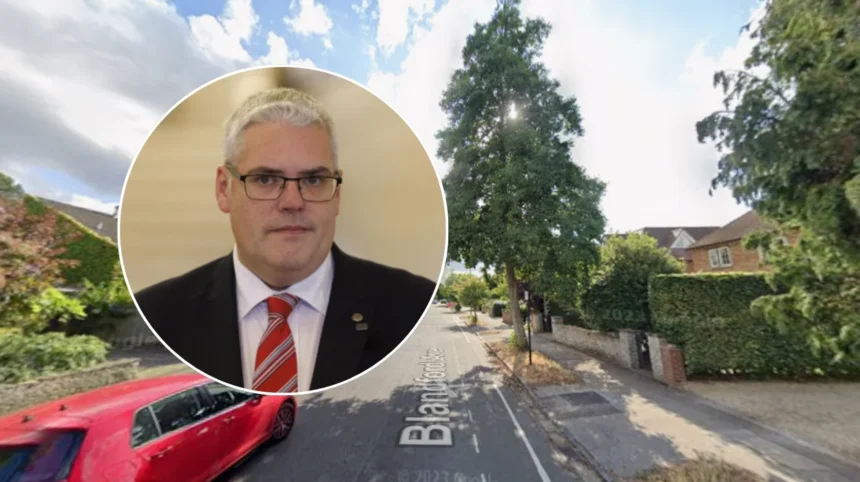
Belfast (Oxford Daily) October 2, 2026 – As reported by the Press Association, Democratic Unionist Party leader Gavin Robinson MP has stated that it remains vitally important for formal mediation talks surrounding the contentious Drumcree parading dispute to continue.
- Key Points
- What is the status of the legal challenges and community representation?
- How are political leaders and public authorities responding to the dispute?
- What is the historical background of the Drumcree parading dispute?
- How could these political and legal developments affect the local community and public services?
Addressing news reporters in Belfast on Friday, 2 October 2026, Robinson commended the Secretary of State for Northern Ireland for hosting mediation sessions and “recognising that the rule of law must be upheld” throughout the diplomatic process.
The statements follow a series of high-level discussions aimed at diffusing renewed tensions in Portadown, County Armagh, where the local Orange Order has sought to resume its traditional march along the nationalist Garvaghy Road.
The current diplomatic intervention comes at a critical juncture after initial multi-party discussions at Hillsborough concluded without reaching an explicit agreement. As documented by regional political correspondents, the Parades Commission and judicial bodies have faced complex legal considerations regarding parade determinations.
Robinson emphasized that unionism continues to work within legal parameters, maintaining that dialogue represents the most constructive vehicle to ensure stability and public order.
What is the status of the legal challenges and community representation?
As detailed by legal reporting outlets, a key High Court hearing concerning the route determinations was adjourned until Monday, 5 October 2026, explicitly to afford additional time for mediation efforts between the involved stakeholders. The Garvaghy Road Residents Coalition (GRRC) has maintained its stance against un-consented parades through the local neighborhood.
According to reports by UTV, Robinson noted that all parties participating in public office must act responsibly, stating that the DUP would utilize established legal mechanisms to hold institutions accountable while commending local parade organizers for remaining within the law.
Simultaneously, prominent civic figures have voiced strong concerns over the potential escalation of local unrest. As reported by local media outlets, an open letter signed by 140 individuals from a Protestant heritage—including former Alliance Party MLA Trevor Lunn, Presbyterian Minister Rev David Latimer, and former DUP adviser Wallace Thompson—was presented to government officials.
The signatories appealed directly to the Orange Institution, stating: “We appeal to the Orange Order to look towards the bigger picture and bring this impasse to an end in the interests of our entire community”. They added that while they recognize Portadown District No. 1 views the route as “unfinished business,” they remain “distressed by the trauma that is being visited on the residents of the Garvaghy Road after 28 years of calm”.
How are political leaders and public authorities responding to the dispute?
In response to the civic appeal, First Minister Michelle O’Neill commended the courage of figures within the Protestant community who publicly opposed forcing a parade along the route. Writing on social media platforms, O’Neill noted that a growing cross-section of the public supports protecting community relations and avoiding a return to historical instability.
Meanwhile, security agencies have highlighted the operational impact of the ongoing standoff. The Police Service of Northern Ireland confirmed that the total cost of the policing operation surrounding the Drumcree site and secondary protests has crossed £3 million, placing significant strains on public service budgets.
Church leaders across denominations have likewise called for calm across Portadown and the wider region. Representatives from the Anglican and Roman Catholic archbishops issued joint calls for peaceful reflection, urging all involved parties to exercise restraint and prioritize community cohesion while formal discussions remain open.
What is the historical background of the Drumcree parading dispute?
The dispute over the Drumcree parade dates back to July 1995, when members of Portadown District Order No. 1 were prevented from returning from their annual service at Drumcree Church via the residential Garvaghy Road, a predominantly nationalist Catholic area. The resulting standoffs in 1995, 1996, and 1997 saw widespread civil unrest across Northern Ireland, characterized by road blockades, intense public violence, and heavy military and police deployments.
In 1998, following the establishment of the independent Parades Commission, official determinations formally prohibited the Orange Order from marching down the Garvaghy Road without local resident consent.
Since July 1998, Portadown Orangemen have held a continuous peaceful protest at Drumcree Church every Sunday, completing the church service and submitting a formal request to complete their traditional route.
Over the subsequent two decades, the area experienced relative stability, though the underlying legal, cultural, and political arguments surrounding freedom of assembly and community consent remained unresolved. The issue re-emerged in 2026 following revised legal filings and formal applications by parade organizers seeking a resolution to the 28-year standoff.
How could these political and legal developments affect the local community and public services?
The outcome of the mediation talks and impending High Court rulings holds direct implications for multiple distinct groups within Northern Ireland:
- Garvaghy Road Residents: For local households in the Garvaghy Road area, the continuation of structured mediation offers a potential buffer against a return to severe localized disruption, security barricades, and historical trauma associated with late-1990s standoffs.
- Portadown Orange Lodge Members: For members of Portadown District No. 1, the formal political recognition of legal mediation validates their pursuit of parading rights through legal channels, though any final compromise may require careful balancing of traditional routes against civil restrictions.
- General Public and Taxpayers: With policing costs already exceeding £3 million, prolonged standoffs divert substantial financial resources away from broader Northern Ireland public services, including healthcare, infrastructure, and regional development.
- Political Institutions: A failure to reach a mediated resolution risks heightening political friction between coalition parties within the Northern Ireland Executive, whereas a successful legal or negotiated framework could establish a precedent for managing contested public assemblies across the region.