Key Points
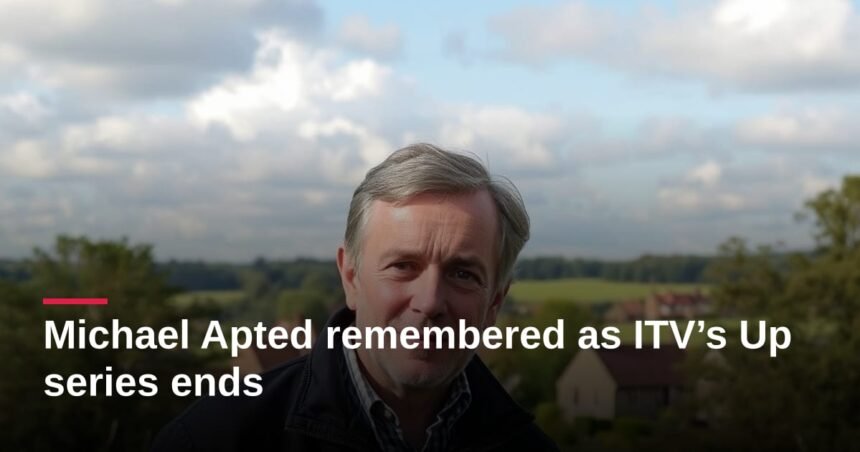
- Michael Apted, the Oxfordshire-based director closely associated with ITV’s Up documentary series, has been remembered as the programme reaches its final instalment.
- The concluding documentary, 70 Up, was broadcast on ITV, bringing the long-running project to a close.
- Apted directed the series for more than 40 years and lived in Bledington, a Cotswolds village near Chipping Norton.
- He died in January 2021 aged 79.
- Jackie Bassett, one of the people featured in the series, described bursting into tears when she learned of Apted’s death.
- Bassett said she and Apted sometimes clashed but credited him with opening up an experience she would otherwise never have had.
- The series began in 1964 with the original 7 Up documentary, which followed children from different backgrounds across Britain.
- The participants were filmed again every seven years as their lives developed.
- Oscar-winning filmmaker Asif Kapadia took over directing duties after Apted’s death.
- The final broadcast prompted an emotional response from viewers on social media.
Why is Michael Apted being remembered after 70 Up?
Michael Apted, the Oxfordshire-based film director who guided ITV’s long-running Up documentary series for more than four decades, has been remembered as the project reached its final instalment with the broadcast of 70 Up. As reported by the Oxford Mail, Apted lived in the Cotswolds village of Bledington, near Chipping Norton, and died in January 2021 at the age of 79.
- Key Points
- Why is Michael Apted being remembered after 70 Up?
- What did Jackie Bassett say about Michael Apted?
- What was the Up documentary series about?
- Who directed 70 Up after Michael Apted’s death?
- How did viewers respond to the final episode?
- Why was Michael Apted important to the Up series?
- What does 70 Up mean for the future of the series?
The final programme marked the end of a television project that began in 1964 with 7 Up. The series followed a group of children from different backgrounds across Britain, returning to film them every seven years and recording changes in their families, work, relationships, health and outlook.
According to the Oxford Mail’s report, Apted became the director most closely associated with the series and continued its distinctive method for more than 40 years. His death came before the final instalment, leaving others to complete the project.
What did Jackie Bassett say about Michael Apted?
Jackie Bassett, one of the 14 people featured in the series, recalled her reaction to Apted’s death in comments reported by the Oxford Mail. She said: “When I heard that Michael had died, I burst into tears.”
Bassett also remembered a conversation with Apted when the participants were filmed at the age of 63. She said he told her: “I really thought I had another film in me but I’m beginning to think I haven’t.”
As reported by the Oxford Mail, Bassett said Apted’s words suggested that he sensed something might be wrong, although his death still came as a shock to her.
“There were occasions when I clashed with Michael, but he opened up a world that I would never have been in otherwise,” Bassett said, according to the Oxford Mail.
Her remarks reflected both the tensions that could arise during decades of filming and the unusual relationship between the director and the people whose lives he documented. Bassett acknowledged that she and Apted had disagreed at times, while also crediting him with giving her an experience she would not otherwise have encountered.
What was the Up documentary series about?
The Up series began in 1964 with the original 7 Up documentary. As reported by the Oxford Mail, it brought together children from different social and economic backgrounds and followed them as they grew older.
The participants were filmed at seven-year intervals. Each return offered viewers a further account of their lives, while also creating a long-term record of social change in Britain.
Apted initially worked on the project and later directed the instalments for more than four decades. His involvement made him a central figure in one of television’s most sustained documentary undertakings.
How did the filming schedule shape the programme?
The seven-year structure gave the series its defining format. Rather than presenting a single period in the participants’ lives, the documentaries returned to the same people repeatedly, allowing viewers to see how earlier ambitions, decisions and circumstances developed over time.
The Oxford Mail reported that the project followed the group from childhood into later life. The final episode therefore carried significance not only as another instalment, but also as the conclusion of a project that had continued across more than six decades.
Who directed 70 Up after Michael Apted’s death?
Oscar-winning filmmaker Asif Kapadia took over directing duties after Apted died, according to the Oxford Mail. Kapadia directed the final instalment, 70 Up, which was broadcast on ITV.
Kapadia’s involvement allowed the series to continue after Apted’s death while preserving its central focus on the participants and their lives. The programme’s completion also gave those featured an opportunity to reflect on the experience and on the director who had been associated with it for so long.
How did viewers respond to the final episode?
The Oxford Mail reported that Tuesday’s broadcast prompted an outpouring of emotion online. Viewers described the documentary as remarkable and said they felt they had grown up alongside the people followed by the series.
“What a remarkable documentary, I feel I have grown up with these people as I followed them from the start,” one viewer wrote on social media, as reported by the Oxford Mail.
The reaction underlined the unusual relationship the programme established with its audience. Because the participants were filmed repeatedly from childhood onwards, viewers were able to witness not just individual milestones but also the passage of time across successive generations.
Why was Michael Apted important to the Up series?
Apted’s importance to the project lay in the length and consistency of his involvement. He directed the series for more than 40 years and helped maintain its central approach: returning to the same participants at regular intervals rather than replacing them with new subjects.
His work made the series a continuing account of personal change and British life. The Oxford Mail’s report presents his death as the end of an era for the programme, even though the final episode was completed under Kapadia’s direction.
Bassett’s recollections also offered a personal perspective on Apted’s role. While she said their relationship included disagreements, she regarded the opportunity he created as unique. Her comments added an account of the director’s influence from the viewpoint of someone who had lived with the cameras and the public attention for decades.
What does 70 Up mean for the future of the series?
The broadcast of 70 Up brought the project’s established cycle to an end, according to the Oxford Mail. The episode represented the final return to a group first introduced to viewers in 1964, when the participants were seven years old.
With Apted’s death and Kapadia’s completion of the final film, the programme closed with both a change of director and a farewell to the people whose lives had defined it. The response from Bassett and viewers showed the lasting effect of a documentary series that remained on television as its participants moved from childhood into old age.