Key Points
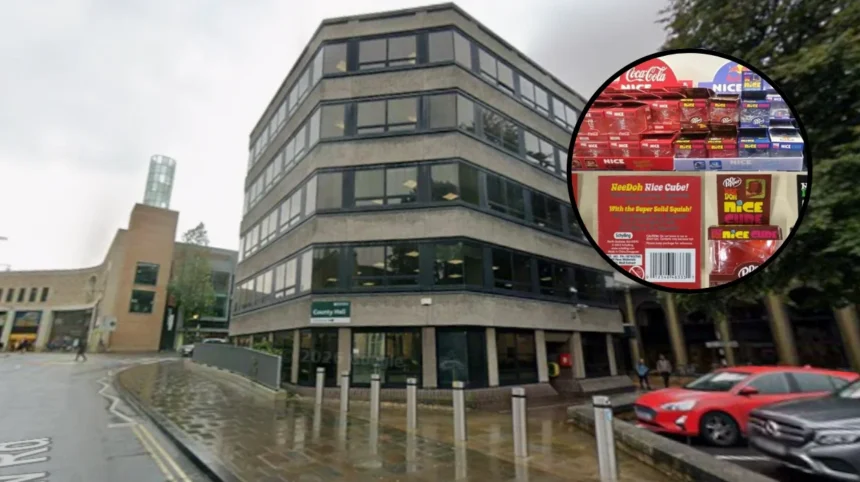
- Oxfordshire County Council’s Trading Standards team seized a batch of counterfeit and untraceable toys during a recent inspection.
- Items removed from sale included fruit-shaped squishy stress relievers, squeeze balls, and bogus NeeDoh Nice Cubes.
- The seized products were found to be missing vital safety labelling, such as UKCA or CE marks, clear instructions, and details of a UK manufacturer or importer.
- Authorities warn that untraceable toys bypass mandatory safety testing and have previously been found to contain dangerous substances including phthalates and benzene.
- Retailers are reminded by officials to conduct thorough checks on the products they stock to ensure full compliance with safety laws.
- Parents and carers are urged to exercise caution when purchasing bargain toys, particularly from unfamiliar online marketplaces or independent sellers, and to report safety concerns.
Oxford (Oxford Daily) July 29, 2026 — A stark warning has been issued to shoppers and business owners across Oxfordshire after local trading standards officers confiscated a quantity of counterfeit and non-compliant toys during a routine compliance inspection. According to reports from Alexandra Carter, Senior Reporter at The Oxford Mail, Oxfordshire County Council’s trading standards team intervened to remove several hazardous items from commercial sale. The confiscated inventory prominently featured fruit-shaped squishy stress relievers, various squeeze balls, and fraudulent copies marketed as NeeDoh Nice Cubes. Regulatory authorities stressed that these items completely lacked the mandatory legal documentation and identification required under UK product safety legislation.
What Are The Risks Associated With Untraceable Counterfeit Toys?
Addressing the hidden dangers of rogue merchandise, Davina Walkin, Oxfordshire County Council’s Trading Standards Operations Manager, explained that products lacking verifiable oversight leave consumers vulnerable. As reported by Alexandra Carter of The Oxford Mail, Davina Walkin stated that
“toys that are untraceable, with no UK manufacturer or importer details, mean there is no one to take legal responsibility for the product”.
Expanding further on the chemical and physical threats posed by these imitation goods, Davina Walkin stated that
“these items often bypass mandatory safety testing and have been found to contain dangerous substances such as phthalates and benzene”.
Highlighting the strict accountability required within the commercial sector, Davina Walkin added that
“if a toy cannot be traced back to a responsible UK business, it should not be on sale”.
Why Must Retailers Exercise Greater Vigilance?
Local authorities are intensifying their oversight of high street traders and independent outlets to curb the circulation of illicit goods. Regarding the legal obligations of commercial vendors, Davina Walkin of Oxfordshire County Council stated that
“we are reminding retailers that they must carry out proper checks on the products they stock and make sure toys have the correct markings, warnings and manufacturer or importer details”.
Official guidelines reiterate that all legitimate toys retailed within the United Kingdom must explicitly display distinct compliance indicators. These essential requirements include:
- Visible UKCA or CE safety certification markings.
- Comprehensive details of a valid UK-based manufacturer or importer, encompassing accurate name and address data.
- Transparent, easy-to-read warnings and user instructions.
Failure to feature these parameters renders the stock illegal and subject to immediate seizure by enforcement officers.
Explore More Oxford Council News
Oxford Bin Collections Change Due to Heatwave in Oxford 2026
Oxpens River Bridge Footpaths to Close in Oxford 2026
How Can Parents And Carers Protect Children From Unsafe Products?
With families continually seeking cost-effective options amidst shifting retail trends, officials caution that low prices can frequently mask severe safety hazards. Councillor Kate Gregory, Cabinet Member for Public Health and Inequalities at Oxfordshire County Council, addressed the psychological appeal of bargain hunting during financial pressures. As detailed in local authority briefings, Councillor Kate Gregory stated that
“it can be really easy as a parent to be drawn into buying a bargain toy for our children, especially as we try to keep up with the latest trends”.
Cautioning against the allure of unregulated goods, Councillor Kate Gregory stated that
“But sometimes these can be too good to be true. Fake toys can lack important safety features and information that are required by law and, in some cases, could be harmful”.
Urging families to adopt a proactive stance, Councillor Kate Gregory added that
“we would urge parents and carers to check toys carefully before buying, particularly from unfamiliar sellers or online marketplaces, and to report anything they are worried about so our trading standards team can investigate”.
What Broader Action Is Being Taken Across The UK?
The recent seizure in Oxfordshire forms part of a wider, nationwide crackdown by trading standards authorities targeting fraudulent novelty items and viral toy imitations. In parallel operations across different regions, consumer protection agencies have intercepted thousands of illicit products—including counterfeit Labubu collectables, substandard Disney merchandise, and unverified Lego figures—which similarly bypassed rigorous compliance evaluations.
National bodies, such as the Chartered Trading Standards Institute (CTSI) and the British Toy and Hobby Association (BTHA), have repeatedly cautioned that unverified manufacturing plants frequently utilize toxic plastics, heavy metals, or structurally weak components that detach easily, generating acute choking and systemic health risks. Trading standards teams across the UK have vowed to maintain rigorous surveillance, ensuring that rogue traders who exploit consumer demand for financial gain face formal enforcement action. Local residents in Oxfordshire who suspect the sale of counterfeit or dangerous goods are encouraged to report their findings directly to the county council’s trading standards department to safeguard community welfare.