Key Points
- Professional racing driver Paul Rees, born in Oxford, has initiated a personal injury lawsuit against BBC Studios following the infamous 2022 Top Gear crash.
- The legal action seeks compensation of up to £150,000 for injuries described by the claimant as life-changing.
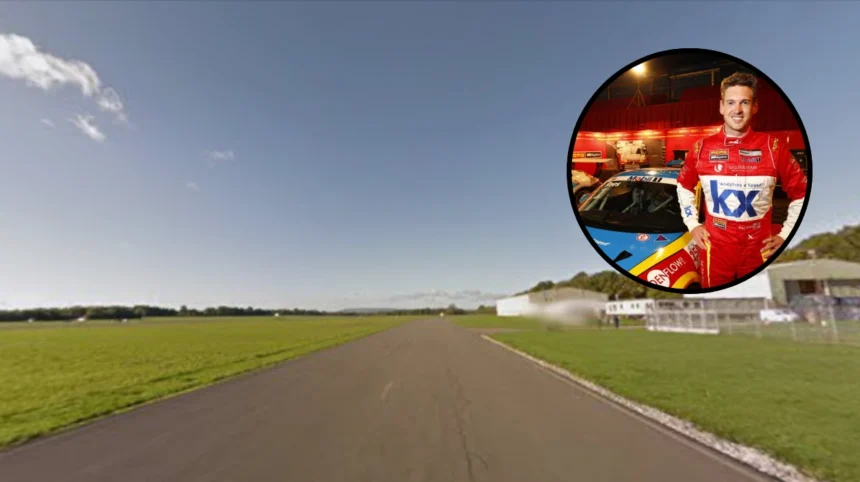
- The crash occurred on 13 December 2022 at the Top Gear test track located at Dunsfold Park Aerodrome in Surrey.
- Mr Rees was acting as an expert passenger and driving adviser alongside former England international cricketer and co-host Freddie Flintoff.
- The vehicle involved was an open-topped, three-wheeled Morgan Super 3, which flipped over during a high-speed run.
- It was not previously disclosed to the public that a second individual was inside the vehicle at the exact moment of the roll-over.
- BBC Studios is vigorously contesting the civil claim, maintaining they were not negligent and alleging that the vehicle overturned due to “faulty instructions” given by Mr Rees.
- Legal defence documents state that Mr Rees did not complain of any injuries at the scene or in the immediate aftermath of the incident.
- The 2022 crash led to a multi-million-pound settlement for Freddie Flintoff and caused the BBC to indefinitely “rest” the long-running motoring television series.
Oxford (Oxford Daily) July 13, 2026 – An Oxfordshire-born professional racing car driver has officially launched a high-profile personal injury lawsuit against BBC Studios. The legal proceedings stem from the catastrophic 2022 Top Gear crash that resulted in severe injuries and ultimately led to the long-running motoring television show being indefinitely suspended by the public broadcaster. Paul Rees, 41, who was occupying the passenger seat of the open-topped, three-wheeled vehicle when it overturned, is seeking damages of up to £150,000. He alleges that he was left with life-changing physical consequences following the high-speed accident at the Dunsfold Park Aerodrome test track in Surrey.
- Key Points
- Who Is Paul Rees and What Happened During the Top Gear Crash?
- What Are the Specific Legal Allegations Made by the Racing Driver?
- How Has BBC Studios Responded to the Personal Injury Lawsuit?
- What Specific Driving Instructions Led to the Overturning of the Morgan Super 3?
- How Does This Claim Relate to Freddie Flintoff’s Injuries and the Fate of Top Gear?
Who Is Paul Rees and What Happened During the Top Gear Crash?
The legal action has brought to light previously undisclosed details about the mechanics of the accident that occurred on Tuesday, 13 December 2022. As reported by reporter Edward Burnett of the Oxford Mail, Mr Rees, an experienced racing motorist born in Oxford, had been explicitly brought in by the production team to provide expert driving instruction and live advice to the show’s co-host, Andrew “Freddie” Flintoff. The high-speed run was actively being recorded for the television show, with specialized microphones fitted inside the cockpit to capture the real-time exchanges between the presenter and the professional driver.
Prior to the filing of these court documents, the British public and wider media titles were entirely unaware that anyone else had been inside the vehicle alongside Mr Flintoff when the incident occurred. The vehicle in question was a Morgan Super 3—a highly distinctive, lightweight, open-topped three-wheeled sports car known for its unique handling characteristics. While completing a lap of the Surrey test track, the vehicle violently overturned, leaving both occupants exposed to the tarmac. As detailed in the initial reporting by the BBC, court documents formally seen by legal correspondents outline a personal injury claim brought directly against the commercial arm of the corporation, BBC Studios.
What Are the Specific Legal Allegations Made by the Racing Driver?
In the civil papers submitted to the court on behalf of the claimant, the legal team representing the Oxfordshire driver outlines the severe physical toll the accident took on their client. As reported by the BBC‘s editorial team, the legal papers filed on behalf of Mr Rees explicitly allege that he suffered profound injury during the high-speed roll-over and is now seeking financial damages up to the valuation of £150,000 to account for the impact on his life and professional career.
The claim focuses heavily on the safety protocols, vehicle dynamics, and operational environment present at the Dunsfold Park Aerodrome during the filming of the segment. The submission details that the injuries sustained by the professional driver were life-changing, challenging the long-held public narrative that the former England cricket star was the sole individual to have suffered severe consequences from the crash.
Explore More Local Oxford News
Oxfordshire Quiet Lanes Transport Scheme Sparks Fierce Political Feud, Oxfordshire 2026
Bicester Asylum Centre: Protests Spark Fierce Debate Over Refugee Camps, Oxfordshire 2026
How Has BBC Studios Responded to the Personal Injury Lawsuit?
BBC Studios has filed a comprehensive and robust formal legal defense, rejecting any liability for the accident. As reported by Edward Burnett of the Oxford Mail, the broadcaster’s commercial production arm denies that it was negligent “as alleged or at all.” Instead, the legal team for the corporation argues that the primary catalyst for the vehicle flipping over was the advice given by the professional driver himself.
According to the specific wording of the defense filing reviewed by the BBC, the corporation argues that Mr Rees provided “faulty instructions” to the presenter while negotiating the track, which directly precipitated the mechanical instability of the three-wheeled vehicle.
Furthermore, the defense papers focus heavily on the immediate aftermath of the crash to contest the timeline of the injuries. As reported by the Oxford Mail, the legal documents submitted by BBC Studios explicitly assert:
“At no time in the period after the accident did the claimant suggest that he had suffered any injury in the accident.”
The corporate defense argues that Mr Rees did not complain of any physical ailments or medical issues either at the exact time of the incident or during the subsequent days and weeks immediately following the track roll-over.
What Specific Driving Instructions Led to the Overturning of the Morgan Super 3?
The formal legal defense submitted by the broadcaster provides a highly granular, second-by-second breakdown of the cockpit communications preceding the crash. As reported by the BBC, the defense document details a specific sequence of events on the track where a mechanical warning sign was allegedly dismissed. The filing describes how co-host Freddie Flintoff had openly expressed genuine concern on an earlier section of the track when a front wheel of the Morgan Super 3 lifted off the ground while rounding a corner. According to the broadcaster’s court text, Mr Rees explicitly reassured the presenter that the vehicle was stable and physically could not roll over.
The catastrophic event took place on a subsequent lap as the pair approached the exact same corner at speed. As reported by the Oxford Mail, the formal defense filing claims that Mr Rees instructed the presenter to “now turn right… now full power, full power” just moments before the vehicle lost stability.
The legal document further states:
“A front wheel lifted, and because on the claimant’s instruction the presenter continued to apply power, the Morgan turned over.”
In a public statement issued to media outlets regarding the ongoing litigation, a spokesperson for BBC Studios stated:
“We dispute this claim and are defending it. As it’s now before the courts, it would be inappropriate to comment further.”
How Does This Claim Relate to Freddie Flintoff’s Injuries and the Fate of Top Gear?
To fully comprehend the context of this civil lawsuit, it is necessary to examine the severe impact the crash had on the primary presenter and the television franchise itself. Mr Flintoff, who became a co-host of the revitalized motoring show alongside Chris Harris and Paddy McGuinness, suffered horrific, highly visible facial injuries and broken ribs. The physical and psychological impact on the former sportsman was profound.
As reported by various entertainment media titles covering his subsequent Disney+ documentary, Mr Flintoff stated that he genuinely believed he was going to die during the incident. The presenter revealed that he was dragged face-down underneath the inverted vehicle for an estimated 50 meters across the asphalt. In his own words featured in the documentary broadcast, Mr Flintoff recounted:
“I thought I was dead.”
He further disclosed that the trauma of the event left him unable to leave his house for a period of six months, with the sole exception of attending essential medical appointments.
In late 2023, the BBC reached a commercial compensation settlement with Mr Flintoff, which was widely reported by British media titles to be worth several million pounds. Following the completion of that settlement and an internal review into production safety protocols, the corporation took the historic decision to “rest” the Top Gear brand. The show, which had been a cornerstone of BBC broadcasting and international syndication for decades, has not returned to television screens since the afternoon of the December 2022 crash. While sporadic reports within the television industry have suggested that senior executives have explored potential options for an eventual future revival, the brand remains completely mothballed as this secondary legal challenge arrives in the civil courts.