Key Points
- Greater Leys in south Oxford is planning how to spend £2m a year for 10 years, backed by a total £20m through the government’s Pride in Place programme.
- The area is among the 10% most deprived in England and residents there live on average 10 years less than those in north Oxford.
- The neighbourhood is one of 284 communities included in the government scheme, which is designed to support local opportunity and community strength.
- Dan Wadsworth, chair of the Greater Leys neighbourhood board, called the funding a “once in a generation chance” to make a major difference.
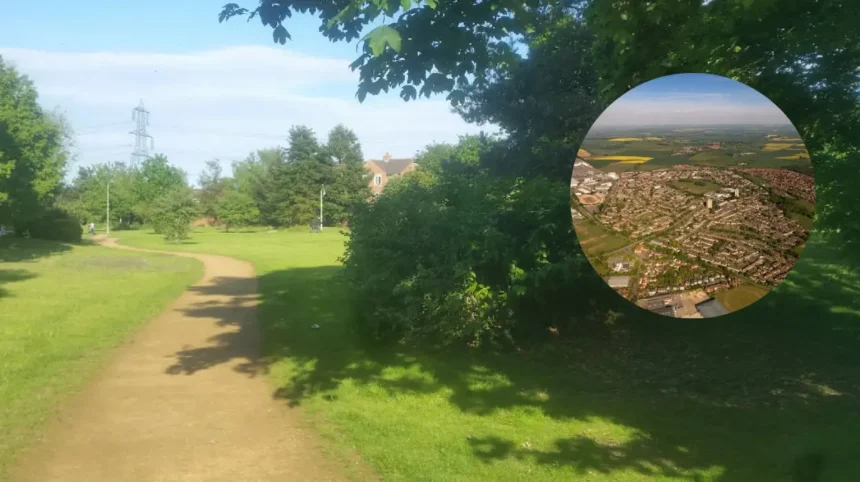
- Greater Leys includes Northfield Brook ward and parts of Blackbird Leys, and is mainly a 1990s housing estate with a corner shop, health centre and community hall.
- Wadsworth said local statistics on poverty, self-harm and life expectancy are “grim”, but he also said the area has a strong community spirit.
- Spending decisions will be made locally through community representatives on a neighbourhood board.
- Wadsworth has suggested more of the money may need to go to services rather than buildings and sports equipment.
- He also warned against a “cliff edge” if political support changes and wants extra funding from local business and grants.
- The regeneration plan is due for government review in November, with first funds expected next spring if approved.
Oxford (Oxford Daily) June 29, 2026 – Greater Leys in Oxford is working out how to spend £2 million a year over the next decade to improve everyday life for residents, after being included in the government’s Pride in Place programme. The area has been awarded a total of £20 million, with local representatives expected to decide how that money is used. The plan is being shaped around local priorities rather than a centrally imposed list of projects.
The neighbourhood board is still being formed, but the process is already under discussion in the community. Dan Wadsworth, chair of the board, has said the funding should be used in a way that creates lasting change. The aim is not just to deliver one-off upgrades, but to strengthen the area over time.
Why is Greater Leys getting the funding?
Greater Leys has been identified as one of the 10% most deprived areas in England, and the local statistics show why the funding is being seen as important. Residents there live on average 10 years less than people in north Oxford, while the area also has higher levels of child poverty and self-harm-related A&E admissions than the rest of Oxfordshire. Those figures have become a major part of the argument for long-term investment.
The government says the broader £5 billion Pride in Place scheme is meant to “fix the foundations” in hundreds of communities across the country. Greater Leys is one of 284 communities included in the programme, giving it the chance to direct money towards projects that create opportunities and strengthen local life. The local leadership sees that as a chance to tackle long-standing inequality.
What did Dan Wadsworth say?
Wadsworth described the funding as a
“once in a generation chance to make a huge difference to the Leys”.
He said the statistics are bleak, but he also stressed that the community itself is one of the area’s biggest strengths. In his view, the local atmosphere remains supportive, with people helping one another despite the deprivation.
He also said the numbers on poverty, self-harm and life expectancy show that the area needs serious help. At the same time, he argued that the focus should not only be on problems. Instead, he said Greater Leys already has a strong sense of community that could be built on through the scheme.
What will the money be used for?
Wadsworth said the current recommendation is for 70% of the money to go to capital projects such as buildings and sports equipment, and 30% to go on services, including support for local charities. However, he believes that balance may need to change. In his view, the area already has the buildings it needs and the bigger demand is for services to run alongside them.
That means the debate is not simply about whether to spend on visible improvements, but about what type of support will have the greatest impact. Local leaders are weighing whether practical services should take priority over bricks and mortar. The final mix will be important because it could shape how quickly residents feel the benefit.
Why does legacy matter?
Wadsworth has also raised concern about what happens after the initial funding period. He said a change in government could cause the project to end early, creating what he called a “cliff edge”. For that reason, he wants the neighbourhood to build something that lasts beyond the formal programme.
To strengthen the legacy, he is looking at ways to bring in additional funding from local business and grants. The idea is to top up the £20 million and create more stability for future years. That approach suggests the community wants the programme to become a long-term platform rather than a time-limited pot of money.
What happens next?
The Greater Leys Regeneration Plan is due to be submitted to the government for review in November. If it is approved, the first funds are expected to arrive next spring. That means the community is still in the planning stage, but the timeline is already beginning to take shape.
The next few months will likely determine how much of the money goes to services, how much goes to physical projects and how the board will represent residents’ priorities. The outcome will depend on both local agreement and government approval. For now, the area is waiting to see whether the plan becomes a reality.
Background of this development
Pride in Place is the government’s long-term regeneration scheme for communities considered to need targeted support. In Greater Leys, the scheme has taken on extra significance because of the area’s deprivation levels and lower life expectancy compared with other parts of Oxford. The funding is being presented locally as a chance to improve not just infrastructure, but the day-to-day experience of residents.
Greater Leys is mainly a 1990s housing estate covering Northfield Brook ward and parts of Blackbird Leys. Its mix of housing, local shops and community facilities gives it the character of a self-contained neighbourhood, but it also faces clear social challenges. The current plan is an attempt to respond to both sides of that picture.
Prediction: What could this mean for residents?
If the plan is approved and the money is spent well, residents could see better local services, stronger community support and more opportunities for young people and families. The biggest impact may come if the board shifts some of the budget towards services that are used regularly rather than only toward buildings or equipment. That would directly affect everyday life in the area.
For local charities, community groups and small businesses, the funding could create new partnerships and extra support. For residents, the main test will be whether the project improves health, wellbeing and neighbourhood life in a way that lasts. If the legacy plan works, Greater Leys could benefit well beyond the 10-year budget period.