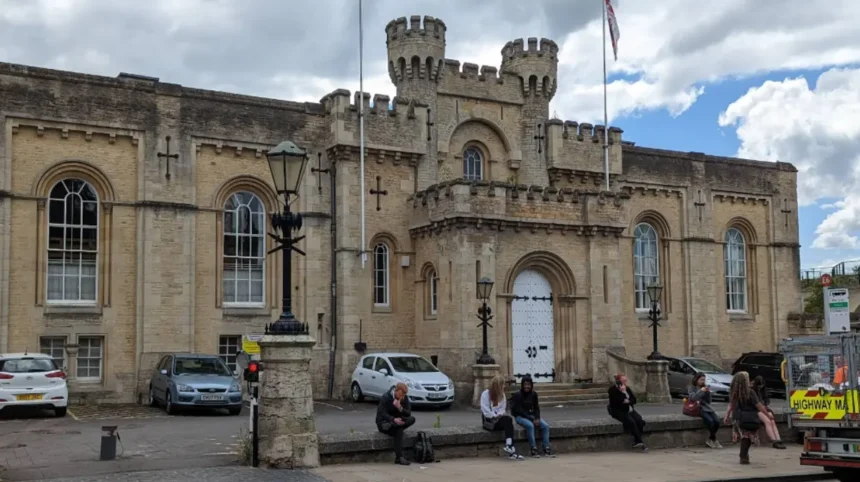
Oxfordshire County Council introduced the congestion charge oxford on 29 October 2025. This transport policy aims to reduce private car volumes during the extended closure of Botley Road. Botley Road serves as a primary arterial route into western Oxford. Network Rail delayed the completion of the Botley Road bridge upgrade until August 2026. The local government implemented this interim charging mechanism to manage vehicle displacement and maintain traffic flow. The daily fee deters non-essential passenger vehicle trips into the city centre. Drivers entering designated monitoring zones pay a daily tariff.
- What Are The Specific Operating Rules And Locations For The Congestion Charge Oxford?
- Which Vehicles Must Pay The Congestion Charge Oxford And Which Are Exempt?
- How Can Drivers Pay The Congestion Charge Oxford And What Are The Penalties?
- What Are The Underlying Traffic Issues Prompting The Congestion Charge Oxford?
- How Does The Congestion Charge Oxford Relate To Traffic Filters And Future Plans?
- What Alternatives Exist For Commuters Navigating The Congestion Charge Oxford?
- FAQs About Congestion Charge Oxford
What Are The Specific Operating Rules And Locations For The Congestion Charge Oxford?
The congestion charge oxford mandates a £5 daily fee for qualifying passenger vehicles entering six defined city zones. Operating hours run primarily from 7:00 AM to 7:00 PM every day. Drivers pay this single daily charge regardless of entry frequency.
The policy establishes six specific camera-enforced charging locations across Oxford. The locations include Hythe Bridge Street, St Cross Road, St Clements Street, and Thames Street. The scheme also includes two peak-hour locations. The peak-hour zones operate on Marston Ferry Road and Hollow Way. These two specific locations enforce the charge only between 7:00 AM and 9:00 AM, and again between 3:00 PM and 6:00 PM. Cameras at these boundaries capture vehicle registration plates automatically. The system logs the entry time and compares the registration against a national vehicle database.
Oxfordshire County Council defines clear boundaries for the charge. The zones form a perimeter around central and eastern Oxford. Drivers traversing these streets during operational hours incur the charge immediately. The local authority installed advance warning signs 256 metres before each boundary. These blue signs give drivers sufficient distance to alter their routes. White regulatory signs mark the exact boundary lines. Passing these white signs triggers the payment obligation for the registered vehicle keeper. The system operates 365 days a year. The scheme includes all public holidays.
The infrastructure relies on automatic number plate recognition cameras. These cameras photograph every passing vehicle. The database cross-references the registration number to determine the vehicle class. The system discards data for exempt vehicle classes. The local authority retains data for vehicles subject to the daily fee. The system generates a payment mandate for the registered keeper. Drivers must monitor their own travel routes. The council does not notify drivers of their entry until a penalty notice becomes necessary.
The temporary measure addresses severe traffic displacement. The Botley Road closure forces vehicles onto alternative routes. The displaced traffic increases congestion on the remaining arterial roads. The charging scheme reduces the total volume of passenger cars. The reduction in private vehicles creates additional road capacity. This extra capacity accommodates essential freight and public transport services. The local government forecasts a £5.2 million revenue surplus from the scheme over a ten-month period. The council ring-fences this surplus for transport infrastructure improvements.
Which Vehicles Must Pay The Congestion Charge Oxford And Which Are Exempt?
The congestion charge oxford applies strictly to DVLA Class M1 vehicles. This classification includes standard passenger cars and motorhomes. Electric cars also pay the fee. Vans, motorcycles, and buses receive full exemptions and travel through the zones freely.
The Driver and Vehicle Licensing Agency classifies vehicles based on construction and purpose. Class M1 vehicles feature up to eight passenger seats. The charge targets these personal transport vehicles directly. The local authority aims to shift passenger travel from private cars to public transport. The scheme requires drivers of M1 vehicles to pay the £5 tariff. Electric vehicles produce zero tailpipe emissions but still occupy road space. The council requires electric cars to pay the charge to reduce physical congestion. The policy prioritises spatial efficiency over emission standards.
The council provides total exemptions for multiple commercial and utility vehicle types. The 3 types of exempt vehicles include light commercial vans, heavy goods vehicles, and public transport buses. Examples of light commercial vans include Ford Transits, Mercedes Sprinters, and Vauxhall Vivaros. Examples of heavy goods vehicles include articulated lorries, refuse collection trucks, and concrete mixers. Examples of public transport buses include double-decker service buses, school coaches, and airport shuttles. These vehicles support the local economy and provide high-capacity transport. Motorcycles and mopeds also receive exemptions due to their minimal physical footprint.
Specific driver categories qualify for exemption permits. Blue Badge holders receive full exemptions. The Blue Badge scheme provides national parking concessions for disabled individuals. Healthcare workers and unpaid carers also qualify for free permits. These groups must register their vehicles through the council website before travelling. The digital permit links directly to the vehicle registration number. The camera system identifies the permit automatically. The driver requires no physical documentation within the vehicle. The council updates the permit database daily.
Oxfordshire residents living within specific boundary areas receive varying permit allocations. Central permit area residents qualify for specific visitor passes. Residents outside the primary zone but within Oxfordshire can apply for 25 free day passes annually. Drivers must activate these passes on the day of travel. The system deducts the pass from the annual allocation automatically. Business owners using personal cars for goods transport can apply for commercial exemptions. The applicant must prove the commercial nature of their journeys. The council assesses each application against strict criteria.
How Can Drivers Pay The Congestion Charge Oxford And What Are The Penalties?
Drivers must pay the congestion charge oxford online or via telephone by midnight the day following their journey. The council issues a £70 penalty charge notice for unpaid fees. Prompt payment within 14 days reduces the fine to £35.
The payment process requires active participation from the driver. The local authority provides a dedicated online payment portal. Drivers enter their vehicle registration number and select the dates of travel. The system accepts payments for the current day or the previous day. Drivers can also purchase pre-pay credits for future journeys. The pre-pay system deducts funds automatically upon entry into a charging zone. The council also operates an automated telephone payment line for users lacking internet access. The local authority does not accept cash payments at any physical locations.
Failure to meet the payment deadline triggers an enforcement process. The council issues a penalty charge notice to the registered vehicle keeper. The Driver and Vehicle Licensing Agency provides the keeper details. The penalty notice demands a £70 payment. The driver must pay this fine within 28 days of issuance. The council reduces the fine to £35 if the driver pays within 14 days. The early payment discount encourages swift resolution. The original £5 daily charge remains payable in addition to the penalty fee.
Ignoring the penalty charge notice leads to escalating financial consequences. The council increases the fine to £105 after 28 days. The local authority then registers the debt with the Traffic Enforcement Centre at the County Court. The court issues an Order for Recovery. This order adds a £10 court registration fee to the total debt. Continued non-payment results in the deployment of enforcement agents. The enforcement agents possess the authority to seize goods to the value of the debt. The agents add substantial collection fees to the total balance.
Drivers possess the right to appeal the penalty charge notice. The council provides a formal representation process. Valid grounds for appeal include vehicle theft, incorrect vehicle cloning, or proven system errors. The driver must submit supporting evidence with their representation. Examples of supporting evidence include police crime reference numbers, insurance claim documents, and verifiable payment receipts. The council suspends the 14-day discount period while reviewing the representation. An independent adjudicator reviews the case if the council rejects the initial appeal. The adjudicator’s decision binds both the driver and the council.
What Are The Underlying Traffic Issues Prompting The Congestion Charge Oxford?
The congestion charge oxford addresses critical infrastructure failures and severe road network saturation. The Botley Road closure eliminates a major western access route. The resulting traffic diversion paralyses alternative corridors and degrades public transport reliability across the entire city.
Oxford operates on a medieval street pattern. The historical architecture severely limits road expansion capabilities. The city relies on a limited number of arterial roads crossing the river network. The Botley Road represents one of these crucial arteries. Network Rail closed this road to reconstruct the railway bridge and upgrade the Oxford station. The upgrade project aims to accommodate longer trains and improve national rail connectivity. The construction work requires the complete severing of the road beneath the bridge. This severance blocks all motor vehicle traffic entering from the west.
The displacement of Botley Road traffic creates severe bottlenecks. Vehicles divert onto the A34 bypass and enter the city via the Abingdon Road or the Woodstock Road. This diversion doubles the traffic volume on these alternative routes. The increased volume causes extensive queuing during peak hours. Bus services share these congested routes with private vehicles. The congestion delays public transport and disrupts published timetables. The unreliability of bus services discourages public transport usage. The situation creates a destructive cycle of increasing car dependency and worsening congestion.
Air quality degradation represents another primary concern. Stationary traffic produces high concentrations of nitrogen dioxide. The internal combustion engines operate inefficiently during prolonged idling. The poor air quality impacts public health. The local government monitors air pollution levels constantly. The emissions exceed statutory limits in several city centre locations. The congestion charge discourages the use of private passenger vehicles. The reduction in vehicle numbers lowers the total emissions output. The policy aligns with broader environmental objectives to improve urban air quality.
The local authority integrates this interim measure into the Central Oxfordshire Travel Plan. The plan outlines a comprehensive strategy to reshape transport dynamics. The council intends to reduce private car journeys by one million trips annually. The congestion charge provides immediate relief during the infrastructure crisis. The policy acts as a demand management tool. The financial deterrent proves effective in altering commuter behaviour. The council uses the generated revenue to subsidise alternative transport modes. The strategy supports a transition towards sustainable urban mobility.
How Does The Congestion Charge Oxford Relate To Traffic Filters And Future Plans?
The temporary congestion charge oxford precedes the permanent traffic filters trial. The council delayed the traffic filters due to the Botley Road closure. The current charging scheme acts as an interim mechanism until the physical infrastructure repairs conclude completely.
The traffic filters represent the long-term transport strategy for Oxford. The filters prohibit private cars from passing through specific points without a valid permit. The permanent scheme issues fines rather than daily access fees. The council originally scheduled the traffic filters trial for 2024. The prolonged closure of the Botley Road forced a strategic reassessment. The council determined that implementing strict traffic filters during a major road closure would cause unacceptable disruption. The local authority postponed the trial until August 2026.
The congestion charge serves as a transitional policy. It introduces the concept of camera-enforced access restrictions to the public. The daily fee provides flexibility that the permanent filters will remove. Drivers can currently choose to pay the £5 fee to access restricted routes. The future traffic filters will ban unauthorized access entirely. The interim period allows residents and businesses to adapt their travel habits gradually. The council monitors the traffic data collected during this charging period. This data informs the final configuration of the permanent traffic filters.
The future transport landscape of Oxford relies on modal shift. The council requires citizens to abandon private car commuting in favour of sustainable alternatives. The revenue from the current congestion charge funds this transition. The council invests the £5.2 million surplus into public transport improvements. The investments include subsidised bus fares and expanded active travel infrastructure. The local authority works with bus operators to introduce 159 new electric buses. These modern vehicles provide zero-emission public transport. The transition depends on the successful implementation of the current policies.
The permanent changes aim to create a safer environment for vulnerable road users. The reduction in private vehicles creates physical space on the roads. The council plans to convert this reclaimed space into segregated cycle lanes and wider pedestrian walkways. The 3 types of planned infrastructure improvements include dedicated cycle tracks, pedestrianised public squares, and simplified junction crossings. Examples of dedicated cycle tracks include the Marston cyclepath, the Headington active travel corridor, and the proposed Banbury Road cycleway. Examples of pedestrianised public squares include the Broad Street conversion, the Gloucester Green enhancement, and the St Giles redesign. Examples of simplified junction crossings include the Frideswide Square layout, the Plain roundabout modifications, and the Cherwell Street crossing points. These improvements form the core of the future urban design.
What Alternatives Exist For Commuters Navigating The Congestion Charge Oxford?
Commuters avoiding the congestion charge oxford possess several viable alternative transport options. The local authority promotes extensive Park and Ride facilities, enhanced public bus networks, and improved active travel routes. These alternatives offer cost-effective and reliable access to the city.
The Park and Ride system serves as the primary alternative for external commuters. Oxford pioneered the Park and Ride concept in the United Kingdom. The city operates five major perimeter car parks. These facilities intercept traffic before it reaches the congestion zones. Drivers park their vehicles and transfer to high-frequency bus services. The council offers free parking periods to incentivize usage. The bus services utilise dedicated bus lanes to bypass the remaining traffic. The Park and Ride approach reduces the financial burden on commuters while decreasing urban congestion.
The active travel network accommodates short and medium-distance journeys. The flat topography of Oxford facilitates cycling and walking. The council maintains a comprehensive network of off-road cycle paths and low-traffic neighbourhoods. The low-traffic neighbourhoods use physical barriers to prevent through-traffic on residential streets. These quiet routes connect residential areas to the city centre safely. The local authority encourages the use of shared micro-mobility options. Companies provide rentable electric scooters and bicycles across the city. The user hires these devices through a smartphone application.
Public transport operators continually enhance their service offerings. The bus companies coordinate their timetables to provide seamless connections. The operators introduce smart ticketing solutions for faster boarding. The passenger taps a contactless bank card upon entering and exiting the vehicle. The system calculates the cheapest daily fare automatically. The operators also upgrade their fleets to modern standards. The new vehicles feature free wireless internet and charging ports. The enhanced amenities attract professional commuters seeking productive travel time.
Employers within Oxford also implement workplace travel plans. These plans discourage single-occupancy vehicle commuting. Organisations provide secure cycle storage and changing facilities for active commuters. Companies offer discounted public transport season tickets through salary sacrifice schemes. Employers also facilitate car-sharing platforms for staff living in poorly connected areas. The 3 types of corporate mobility incentives include cycle-to-work schemes, public transport subsidies, and flexible working arrangements. Examples of cycle-to-work schemes include tax-free bicycle purchases, free maintenance vouchers, and mileage allowances for cyclists. Examples of public transport subsidies include interest-free season ticket loans, discounted bus passes, and free shuttle bus services. Examples of flexible working arrangements include remote working days, staggered start times, and compressed working weeks. These corporate initiatives align with the municipal strategy to reduce congestion.
FAQs About Congestion Charge Oxford
What time does the Oxford congestion charge apply?
The charge applies from 7:00 AM to 7:00 PM every day at most locations. The Marston Ferry Road and Hollow Way locations operate only during peak hours from 7:00 AM to 9:00 AM and 3:00 PM to 6:00 PM.
Do electric cars have to pay the Oxford congestion charge?
Yes, electric cars must pay the £5 daily fee. The congestion charge targets physical traffic volume rather than vehicle emissions, so DVLA Class M1 electric passenger vehicles remain fully liable.
How much is the fine for not paying the Oxford congestion charge?
The council issues a £70 penalty charge notice for unpaid fees. Drivers who settle the fine within 14 days receive a 50 percent discount, reducing the total penalty to £35.
Are Blue Badge holders exempt from the Oxford congestion charge?
Yes, Blue Badge holders receive a full exemption from the daily fee. Eligible individuals must register their vehicle and Blue Badge details on the council website to activate the digital permit before travelling.
When will the temporary congestion charge end?
The temporary congestion charge operates until the Botley Road bridge upgrade concludes. Network Rail anticipates completing the bridge works and reopening the road by August 2026, after which permanent traffic filters will begin.