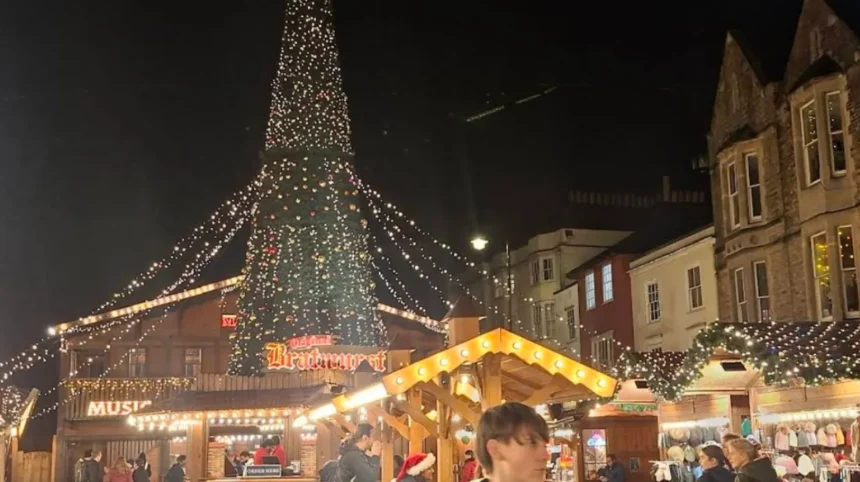
The Oxford Christmas Market operates from November 21 to December 31, 2026. The event takes place exclusively on Broad Street, located in the central district of Oxford. The exact postcode for the primary market location is OX1 3BS.
- What Historical Context Defines The Oxford Christmas Market?
- Which 3 Types Of Attractions Can Visitors Experience?
- How Does The Market Impact The Local Oxford Economy?
- What Are The Specific Food And Beverage Options Available?
- How Do Transport And Accessibility Function For Attendees?
- What Are The Recommended Accommodations Near The Event?
- Which 3 Security Measures Protect Oxford Christmas Market Attendees?
- FAQs About Oxford Christmas Market
The schedule provides 40 days of operation during the winter season. The stalls remain open Sunday through Wednesday from 10:00 AM to 6:00 PM. The operating hours extend from Thursday through Saturday, opening at 10:00 AM and closing at 8:00 PM. The market closes entirely on December 25 to observe the Christmas Day public holiday. The final operating day on December 24 features a reduced schedule, concluding business at 5:30 PM. The location on Broad Street offers a fully pedestrianized zone, prioritizing foot traffic over vehicular movement. Planners designate a specific bicycle lane through the area to maintain active travel routes.
City officials utilize Broad Street due to its structural capacity and proximity to primary transport hubs. The area accommodates over 60 individual wooden chalets. The geographic positioning places the market within a 15-minute walking distance from the main Oxford train station. Visitors find the central location advantageous for accessing adjacent historical landmarks. The placement strategy integrates the market into the broader city infrastructure seamlessly. Attendees utilize nearby public restrooms located at the Gloucester Green Bus Station and the Westgate Shopping Centre.
Read more: Learn about the infrastructure supporting the local area by exploring the official statistics regarding the current Oxford population.
What Historical Context Defines The Oxford Christmas Market?
The Oxford Christmas Market represents a modernized continuation of European winter trading traditions within the United Kingdom. Originating in the early 21st century, the event replaced fragmented seasonal street vending with a consolidated, regulated festival. The current iteration reflects a structured approach to urban holiday commerce.
European markets date back to the Late Middle Ages in German-speaking territories. The concept migrated to the United Kingdom, evolving into large-scale municipal events. The Oxford event specifically mirrors the traditional Christkindlmarkt format. Organizers introduced uniform wooden chalets to create visual cohesion across the trading zone. The local government mandates strict aesthetic guidelines to ensure the infrastructure complements the surrounding 17th-century architecture. The market’s evolution demonstrates a shift from pure retail toward experiential consumerism. Data from the city council indicates a 15% increase in stall applications between 2015 and 2023. The historical backdrop of Broad Street elevates the visual appeal of the temporary commercial structures.
The integration of Victorian thematic elements occurred during specific festival years to enhance the historical atmosphere. Planners organize 3 specific historical zones (for example: the Victorian artisan quarter, the medieval food court, and the traditional choral stage). The incorporation of local choirs singing traditional carols roots the event in British cultural heritage. The management transition in recent years brought renewed focus to local vendor participation. The current organizational structure prioritizes traders based in Oxfordshire over national touring vendors. This strategic pivot strengthens the local economy while maintaining the historic market aesthetic.
Read more: Discover other historic retail developments in the region, such as the Pop Mart Oxford Street store.
Which 3 Types Of Attractions Can Visitors Experience?
Visitors experience retail shopping chalets, live musical entertainment stages, and interactive amusement rides at the Oxford Christmas Market. These components function together to retain attendees within the venue for extended periods, maximizing the overall economic impact and user experience.
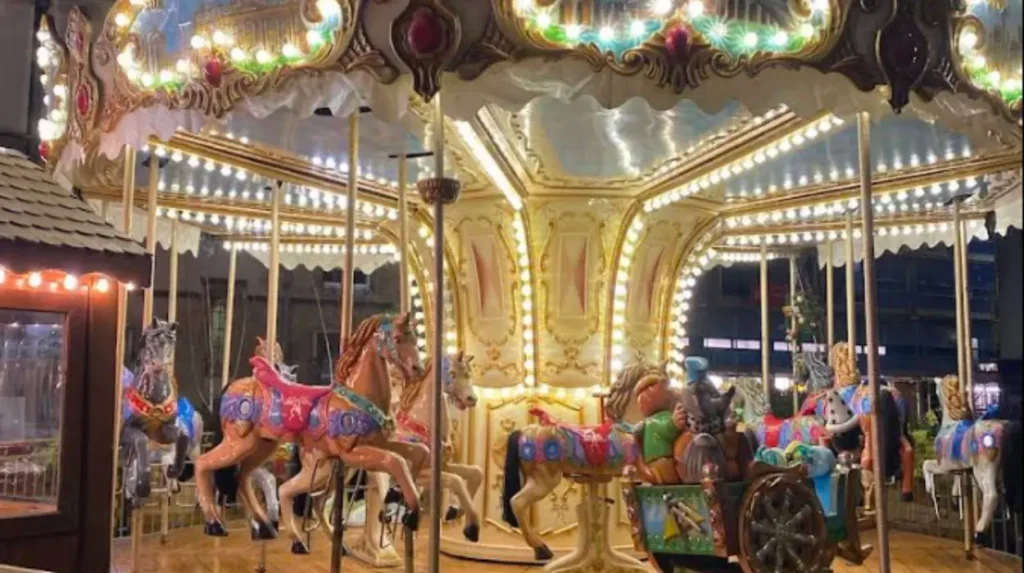
The retail shopping chalets form the primary attraction for the event. Organizers approve over 50 distinct vendors selling handcrafted goods, jewelry, and seasonal decorations. The live musical entertainment stages host daily performances throughout the 40-day run. The schedule features 4 performance types (for example: acoustic soloists, traditional brass bands, school choirs, and professional DJs). The interactive amusement rides cater directly to families and younger demographics. The market infrastructure includes a traditional carousel and a small-scale Ferris wheel. The combination of these elements provides comprehensive entertainment value.
The physical layout segregates these attractions to manage crowd density effectively. The amusement rides occupy the wider sections of Broad Street to accommodate queue lines safely. The retail stalls form linear pathways that guide visitors through a continuous loop. The entertainment stages sit near the food and beverage sectors to encourage stationary consumption. Planners utilize acoustic baffling to prevent the live music from overwhelming the retail transactions. The attraction mix specifically targets a diverse demographic, ranging from university students to international tourists. Statistics show that visitors spend an average of 120 minutes interacting with the various attractions.
How Does The Market Impact The Local Oxford Economy?
The Oxford Christmas Market generates substantial direct and indirect revenue for the regional economy. The event creates over 200 temporary employment positions in retail, security, and event management. The influx of tourists increases fourth-quarter profitability for surrounding permanent businesses and hospitality venues.
Direct revenue stems from stall rental fees, sponsorship agreements, and immediate vendor sales. The Oxford City Council regulates the commercial zoning to ensure fair competition among the traders. Indirect revenue flows into adjacent restaurants, hotels, and retail stores located outside the market perimeter. Economic assessments indicate that high street footfall increases by 25% during the market’s operational dates. The event attracts an estimated 100,000 unique visitors annually to the city center. The financial injection supports the viability of local independent artisans who rely on fourth-quarter sales. Local vendors report that market participation accounts for 30% of their annual revenue.
The market requires substantial logistical investment from local supply chains. Vendors purchase materials from regional wholesalers to stock the food and beverage stalls. The event management firm contracts local waste disposal, electrical engineering, and security companies. Planners mandate the use of 3 sustainable practices (for example: biodegradable packaging, locally sourced ingredients, and renewable energy generators). The economic footprint extends beyond the physical boundaries of Broad Street. Transportation providers experience increased ridership on the Park and Ride systems. The overall fiscal impact solidifies the market as a critical component of Oxford’s municipal financial strategy.
What Are The Specific Food And Beverage Options Available?
The food and beverage sector at the Oxford Christmas Market features over 15 specialized culinary vendors. The offerings include traditional European winter cuisine alongside localized British street food. The stalls operate under strict municipal health and safety regulations regarding food preparation.
The beverage menu centers on traditional heated drinks required for winter outdoor events. Vendors serve Glühwein, hot apple cider, and premium hot chocolate. The food selection incorporates 4 primary food categories (for example: German bratwurst, French crepes, British roasted chestnuts, and Spanish churros). The organizers enforce strict criteria for food quality and vendor hygiene. Specialized dietary requirements receive dedicated representation within the food court. Multiple stalls provide vegan, gluten-free, and dairy-free alternatives to traditional menu items. The pricing structure remains competitive with standard city center restaurant rates.
The culinary zone features communal standing tables to facilitate consumption. The event does not provide extensive seated dining areas to ensure continuous pedestrian flow. Waste management protocols require food vendors to utilize fully compostable or recyclable serving materials. The city council deploys sanitation teams to manage the increased refuse generated by the food stalls. Inspectors conduct unannounced hygiene audits throughout the 40-day operational period. The culinary diversity aims to satisfy an international tourist base while providing familiar options for domestic visitors. The food and beverage sector generates the highest volume of transactions per hour across the entire market.
How Do Transport And Accessibility Function For Attendees?
Transport to the Oxford Christmas Market relies heavily on the city’s Park and Ride infrastructure. Broad Street remains pedestrianized, eliminating direct vehicular access and on-street parking. Attendees utilize integrated bus and rail networks to reach the city center efficiently.
The Oxford Train Station serves as the primary gateway for regional and national visitors. Direct railway services connect Oxford to London Paddington and Birmingham New Street. The station sits exactly 0.8 miles from Broad Street, requiring a 15-minute walk. The Park and Ride system operates from 5 peripheral locations (for example: Pear Tree, Redbridge, Seacourt, Thornhill, and Water Eaton). These services deploy high-frequency buses that terminate at stops on George Street and Magdalen Street West. The city explicitly discourages private car usage due to severe parking limitations and municipal emissions targets.
Accessibility receives high priority in the market’s physical design. Broad Street provides a flat, step-free surface suitable for wheelchairs and mobility scooters. The market layout features wide central walkways to prevent bottlenecking during peak hours. Organizers officially permit registered assistance dogs throughout the entire venue footprint. Stewards monitor crowd density and implement one-way systems if capacity thresholds approach critical levels. The city council provides accessible public restrooms adjacent to the market zone.
Read more: Stay updated on regional transport developments like the East West Rail link which will alter future travel patterns.
What Are The Recommended Accommodations Near The Event?
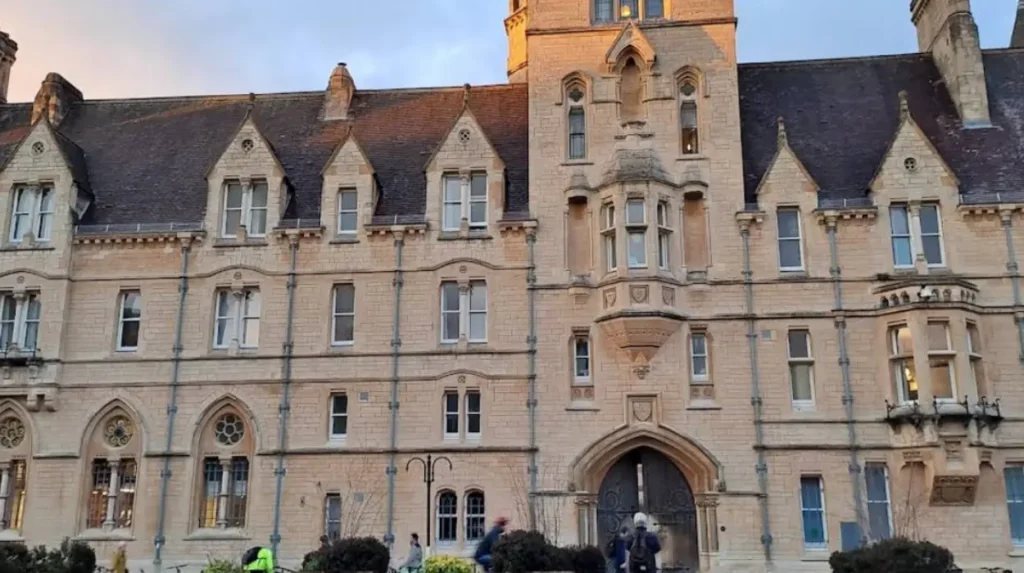
Accommodations near the Oxford Christmas Market include luxury heritage hotels, mid-range corporate chains, and independent bed and breakfasts. The central location of Broad Street allows visitors to select lodging within a one-mile radius. Advance booking remains necessary due to high seasonal occupancy rates.
The city center features 3 premium hotel categories (for example: five-star historic properties, boutique townhouses, and modernized collegiate lodgings). These high-end options sit within immediate walking distance of the market footprint. Mid-range travelers utilize standard corporate hotels located near the train station and the Westgate Shopping Centre. The budget accommodation sector relies heavily on guesthouses situated along the arterial roads leading into the city. Weekend occupancy rates frequently exceed 95% during the peak market weeks in December. Hoteliers historically implement dynamic pricing models that increase room rates by 20% during the festival period.
Visitors seeking alternative accommodations utilize short-term rental platforms for apartments in the Jericho and Cowley neighborhoods. These peripheral areas require a 20-minute walk or a short bus ride to reach Broad Street. The local tourism board advises attendees to secure reservations a minimum of 60 days before arrival. Properties located along the primary bus routes connected to the Park and Ride hubs offer strategic advantages for motorized travelers. Accommodation proximity directly influences visitor expenditure patterns within the evening economy.
Which 3 Security Measures Protect Oxford Christmas Market Attendees?
The event organizers implement physical barriers, active surveillance systems, and trained personnel to secure the Oxford Christmas Market. The comprehensive security apparatus protects attendees against vehicle incursions, petty theft, and overcrowding hazards. The protocol adheres to national counter-terrorism guidelines for large public gatherings.
Physical barriers constitute the primary defense against unauthorized vehicle access. The city installs Hostile Vehicle Mitigation devices at all entrance points to Broad Street. The active surveillance system utilizes the existing municipal CCTV network combined with temporary event-specific cameras. The operations center monitors the footage continuously to identify suspicious behavior or dangerous crowd compression. The personnel deployment includes 4 distinct security roles (for example: private event stewards, licensed security guards, medical first responders, and uniformed police officers). The visible presence of security staff acts as a primary deterrent against organized pickpocketing operations.
The emergency response protocol establishes clear evacuation routes through the adjacent side streets. The market infrastructure utilizes flame-retardant materials and isolated electrical generators to prevent fire hazards. The security team conducts daily sweeps of the venue before opening the gates to the public. Medical personnel operate a dedicated first aid tent located near the primary entrance. The integration between private security and the Thames Valley Police ensures a rapid response to any severe incident.
Read more: Explore how the local university upgrades infrastructure, similar to the event’s rigorous planning, in the Oxford University biomedical sciences upgrade.
FAQs About Oxford Christmas Market
Is the Oxford Christmas Market free to enter?
The Oxford Christmas Market requires no admission fee for entry. Visitors access the pedestrianized zone on Broad Street completely free of charge. Attendees only pay for individual purchases at the retail stalls, food vendors, and amusement rides.
Are dogs allowed at the Oxford Christmas Market?
Registered assistance dogs receive full entry permissions throughout the Oxford Christmas Market. Organizers discourage bringing non-assistance pets due to high crowd density and noise levels. The compact layout and discarded food items create an unsuitable environment for standard domestic animals.
Where is the best place to park for the market?
The city council mandates the use of the Park and Ride system for market parking. The 5 peripheral lots offer continuous bus transfers directly to the city center. Central Oxford contains strictly limited, high-cost parking spaces that fill rapidly during the holiday season.
Does the market operate on Christmas Day?
The Oxford Christmas Market ceases all operations on December 25. The entire venue remains closed to observe the national public holiday. The market resumes standard operational hours or concludes its run entirely depending on the specific yearly schedule.
What happens if it rains during the event?
The market operates continuously during standard rain and winter weather conditions. The individual wooden chalets provide covered areas for the vendors and merchandise. Organizers only suspend operations during severe meteorological events that threaten structural stability or public safety.