Key Points
- Thames Valley Police patrolled the M40 between Junctions 9 and 10 and recorded a high number of speeding offences during recent patrols.
- Officers detected as many as 154 speeding offences during a single period of enforcement on the motorway.
- One driver was recorded at 116mph on the M40 and was stopped by officers.
- Thames Valley Police and local road-safety teams have been using a mix of mobile camera vans and patrols to enforce speed limits across Oxfordshire.
- The enforcement activity is part of a wider, ongoing effort to reduce dangerous driving and collisions on the M40 corridor.
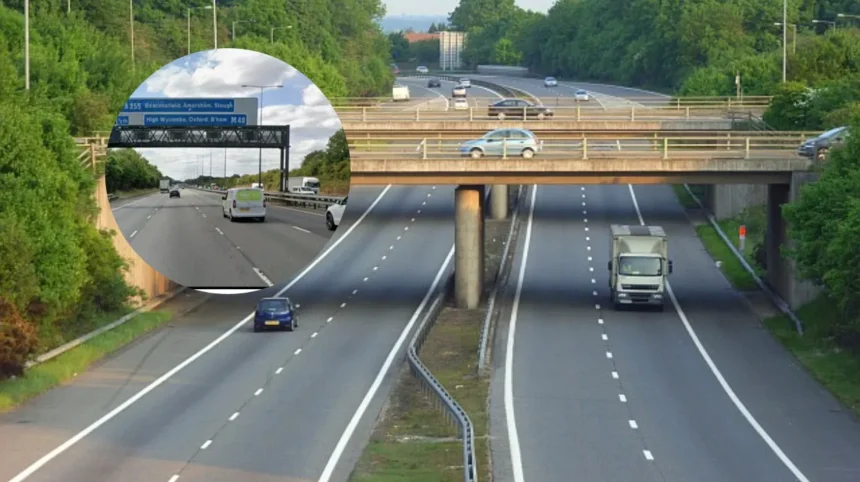
Oxford(Oxford Daily)May 18, 2026 — Thames Valley Police officers carrying out patrols on the M40 between Junctions 9 and 10 recently stopped a motorist after radar and observation recorded the vehicle travelling at 116mph, the force confirmed in a public statement. The patrols, which included marked and unmarked units as well as mobile speed-camera resources, were part of heightened enforcement along the corridor after officers noted a rise in speeding offences.
- Key Points
- How many speeding offences were recorded during the recent M40 patrols?
- What enforcement methods are Thames Valley Police using on the M40?
- Who provided the information about the 116mph stop?
- What are the immediate outcomes for the driver recorded at 116mph?
- How does this enforcement fit with wider Oxfordshire speed enforcement trends?
- Where did the enforcement take place and why is this section of M40 a focus?
- What do road-safety experts and police say about motorway speeding?
- What follow-up or further enforcement is planned on the M40?
- Background of the particular development
- Prediction — how this development can affect motorists and local residents
How many speeding offences were recorded during the recent M40 patrols?
As reported by local coverage of the policing activity, officers observed up to 154 speeding offences during the recent enforcement period on the stretch of motorway between Junctions 9 and 10. The figure reflects a concentrated operation where a combination of speed-measuring equipment and visual enforcement was used to identify fast and dangerous driving. Thames Valley Police has previously published data showing that mobile speed-camera vans catch a large share of speeding offences across Oxfordshire, and the recent motorway enforcement sits alongside that broader pattern of activity.
What enforcement methods are Thames Valley Police using on the M40?
Thames Valley Police have deployed a mix of enforcement methods on the M40, including marked patrols, unmarked (plain-clothes or unmarked) vehicles and mobile camera vans, which collectively account for a substantial portion of speed detections in the county. The force’s roads policing units have shared results of operations via social media and local press, emphasising both the number of offences detected and specific high-speed incidents such as the 116mph case. Mobile vans and fixed cameras have previously been shown to detect thousands of offences across Oxfordshire during concentrated periods of monitoring.
Who provided the information about the 116mph stop?
The initial reporting and local coverage of the incident drew on Thames Valley Police updates and local news outlets that summarised the operation, including the speed at which the driver was travelling and the overall number of offences recorded during the patrols. Local media outlets carried the police statement and, where available, added contextual data about broader enforcement patterns on Oxfordshire roads.
What are the immediate outcomes for the driver recorded at 116mph?
The police statement reported that officers stopped the vehicle after detecting the excessive speed; the public reporting of the incident did not disclose the driver’s name or further personal details. Typical outcomes in cases where drivers are recorded well above the speed limit can include arrest for dangerous driving if other factors apply, endorsement and fines, and court summonses or referrals to driver improvement courses depending on the exact circumstances and prosecutorial decisions. The local coverage did not provide the full legal outcome at the time of publication.
How does this enforcement fit with wider Oxfordshire speed enforcement trends?
Recent data and reporting indicate that mobile speed-camera vans are responsible for a significant proportion of recorded speeding offences in Oxfordshire, accounting for a majority of detections in many months of enforcement activity. Published figures from earlier enforcement periods showed thousands of recorded offences over concentrated months, with both fixed and mobile cameras contributing to the overall totals. The M40 operation is therefore consistent with a continuing focus from Thames Valley Police on targeted enforcement at locations where dangerous driving has been identified as a problem.
Where did the enforcement take place and why is this section of M40 a focus?
The recent operations were focused on the M40 between Junction 9 (Cherwell/near uk/local/bicester/">Bicester) and Junction 10 (towards Buckinghamshire), a stretch of motorway that links Oxfordshire with neighbouring counties and which has drawn attention in the past for collisions and incidents. Authorities and traffic reporting services have previously recorded accidents and congestion in the area, leading to periodic increases in targeted policing and traffic-management efforts. The combination of high traffic volumes, variations in vehicle speed and junction layouts has made this section a recurrent site for enforcement activity.
What do road-safety experts and police say about motorway speeding?
Police statements shared with local media emphasise that driving at extremely high speeds significantly increases the risk of serious collisions and reduces the ability of drivers to react to hazards. Road-safety organisations and policing units regularly underline that enforcement is aimed at preventing collisions and protecting all road users, including those travelling at lawful speeds. Public information campaigns and data releases accompanying enforcement operations are often used to remind drivers of the legal limits and consequences of excessive speed.
What follow-up or further enforcement is planned on the M40?
Local reporting and police updates indicate that Thames Valley Police roads policing units will maintain targeted enforcement on routes where dangerous driving is identified, including continued use of mobile cameras and patrol deployments on the M40 and other problem sections across the county. Detailed schedules for enforcement tend not to be published in advance, but police have said that hotspot areas will continue to receive attention as part of broader road-safety priorities.
Background of the particular development
Thames Valley Police and affiliated road-safety teams have operated a mixture of fixed and mobile speed enforcement for several years, with publicly released quarterly and monthly data showing that mobile camera vans account for a large share of speed detections across Oxfordshire. The M40 corridor has repeatedly been identified in traffic reports and road-safety reviews as a location where traffic volumes, junction arrangements and occasionally high speeds combine to create risk, prompting periodic targeted enforcement and public-awareness work. Nationally, motorway enforcement focuses both on catching dangerous, high-speed driving and on sending a deterrent message that compliance with speed limits matters for public safety; local patrols of the sort reported here are a typical manifestation of that policy approach.
Prediction — how this development can affect motorists and local residents
Continuing targeted enforcement on the M40 between Junctions 9 and 10 is likely to have several near-term effects for motorists and the local community. Drivers who observe increased patrols and camera presence may reduce their speeds in the enforced zones, which could reduce the number of collisions and injuries on that stretch of motorway; the visible deterrent effect of stops and fines tends to encourage compliance among many drivers. For motorists who persistently exceed speed limits, the risk of prosecution, fines, points on licences or court action will increase, which may alter driving habits or insurance costs for those individuals. Local residents may see a modest reduction in high-speed traffic spill-over if enforcement reduces extreme speeders over time, while those commuting through the area should expect intermittent enforcement activity and should plan journeys assuming normal speed limits and possible delays for roadside stops.