Key points
- An Oxfordshire mum has created more than 100 portraits of people born with cleft lip or palate.
- The art project began after her own child was born with a cleft lip and palate.
- The portraits are intended to raise awareness, reduce stigma, and support others affected by facial differences.
- The project has been highlighted by local media outlets including the Witney Gazette and Oxford Mail.
- The mum has said the project is “a way of giving back” to families who have supported her.
Witney(Oxford Daily)May 18, 2026– A local mother has completed more than 100 portraits of people born with cleft lip or palate, launching a personal art project that aims to support and raise awareness for families affected by facial differences.
The project, which began in 2026, grew out of the mother’s experience after her daughter was born with a cleft lip and palate and the family received support from local and national charities. From Witney, in West Oxfordshire, the mum has turned her hobby of painting into a public‑facing initiative, sharing the portraits online and in local community spaces.
Local outlet the Witney Gazette reported that the mum set an initial goal of creating 100 artworks but has pledged to continue well beyond that number. “It started as something small for our family, but it felt wrong not to share it with others,” she told the Gazette.
Who is behind the project?
According to the Witney Gazette, the artist is a mother from Witney who trained in art before taking time away from her practice to focus on her family. Her daughter was born with a cleft lip or palate, and the family later received multistage treatment through the local cleft team, which includes surgeons, speech therapists, and psychological support.
The Oxford Mail described how the mum’s experience of watching her daughter grow up and meet other children with cleft conditions led her to think about visibility and representation. She said that seeing her daughter meet peers who “looked a bit like her” helped normalise difference in a way that traditional media did not.
How the project took shape
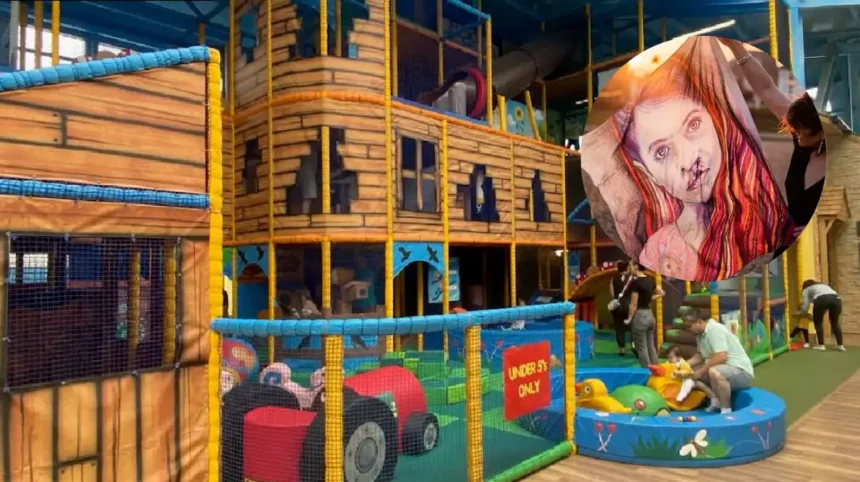
The project began when the mum painted a portrait of her daughter, following her first corrective surgery, as a way to “remember how far she had come,” the Witney Gazette reported. That image prompted friends to ask if she would paint portraits of their own children or relatives born with cleft lip or palate.
Initially, the request list was small, but it grew after the mum shared examples on social media. Interviewed by the Oxford Mail, she said that each person’s story was slightly different, but all shared “the same thread of feeling different as a child.”
The portraits are rendered in a realistic but gentle style, focusing on the subject’s eyes and expression rather than the cleft itself. The Witney Gazette noted that the mum has turned down requests to “edit out” facial features, saying:
“This isn’t about hiding anything; it’s about showing people as they are.”
What role does awareness play?
Several local and national cleft charities have highlighted the importance of projects such as this in challenging stigma and reducing bullying linked to visible differences, according to the Oxford Mail. The Cleft Lip and Palate Association UK (CLAPA) has long argued that visibility and representation can help children and adults feel less isolated.
The mum told the Witney Gazette that the project is not linked to any single charity at present, but she has offered to donate prints to fundraising events and clinics that support cleft‑affected families. She has also said that some of the portraits are being used informally in waiting‑room spaces, where parents can see faces like their own child’s before surgery.
Community and media response
Reactions from the local community have been positive, with parents of children with cleft lip or palate describing the project as “reassuring” and “normalising,” according to the Oxford Mail. One parent was quoted saying that seeing a portrait of their child “made it feel like they were just another kid in the gallery, not a medical case.”
The Witney Gazette also reported that local schools and community centres have approached the mum about hosting small exhibitions of the portraits, which she has agreed to on a non‑profit basis. She has said any associated costs, such as framing or printing, are currently borne by her or covered by small voluntary donations.
How the project is funded and structured
The mum has clarified to the Oxford Mail that she is not charging families for the portraits, though she has accepted small donations from people who wish to contribute towards materials. She described the initiative as “a voluntary project built around my family’s schedule,” with most of the work completed in the evenings or over weekends.
The Witney Gazette noted that the project does not currently have formal sponsorship, but local businesses have offered to display prints or donate art supplies. The mum has said she would like the project to remain community‑led and has ruled out commercial licensing that would turn the portraits into mass‑market products.
Background of cleft lip and palate in the UK
Cleft lip and palate are among the most common congenital facial differences in the UK, with about one in every 700 babies born with some form of cleft, according to national cleft charities and NHS‑linked sources. These conditions can affect feeding, speech, hearing, and dental development, and treatment usually involves a team of specialists including surgeons, speech and language therapists, and psychologists.
The UK’s NHS cleft networks have long emphasised psychosocial support as well as surgical care, with patient‑facing art and photography projects used in some hospitals to help “challenge stigma and celebrate visible differences.” The UHS Sussex trust, for example, has reported using professional portraits for patients with cleft lip or palate to help “challenge stigma and celebrate visible differences.”
In that context, the Witney mum’s project echoes a broader trend in UK healthcare of using art and storytelling to humanise medical journeys, though hers remains an independent, grassroots initiative rather than a hospital‑run programme.
Predictions for audiences affected by cleft lip and palate
For families of children with cleft lip or palate, the project may become a low‑cost, emotionally accessible resource that helps normalise difference and builds confidence ahead of surgeries or school transitions. Because the portraits are created by a parent within the same community, rather than a distant institution, they may feel more relatable to local families weighing treatment decisions or worried about social stigma.
For artists and healthcare professionals interested in using art as a tool for patient‑centred care, the project could be cited as an example of how individual‑scale initiatives can complement larger NHS and charity programmes. If the mum continues publishing new portraits, the body of work may also serve as a visual archive for future generations of cleft‑affected individuals, offering a record of lived experience beyond clinical charts.
For community organisations and local media, the Witney project presents a model of how hyper‑local storytelling can highlight national health‑related themes without sensationalism, potentially encouraging similar art‑based projects in other regions.