Key Points
- Who says what—what viewpoints have been reported?
- Why did the DVSA act? What problem is this trying to solve?
- How will the transition be handled, and what exceptions apply?
- What practical problems are instructors predicting?
- Are learners still vulnerable to cancellations and long waits?
- What do consumer advocates and MPs say about the “black market”?
- Will the rule reduce fraudulent or automated bookings?
- What do driving schools and professional bodies recommend?
- How will the change affect different regions differently?
- What are the DVSA’s next steps to address waiting times and fairness?
- What are the legal and ethical considerations raised by attribution of claims?
- Background of the particular development
- Prediction — how this development can affect learner drivers, instructors and the wider public
- From May 2026, the Driver and Vehicle Standards Agency (DVSA) changed the booking rules so that only learner drivers can book, change or swap their own driving tests.
- The rule aims to curb a reported black market in test appointments where third parties resell slots at high prices.
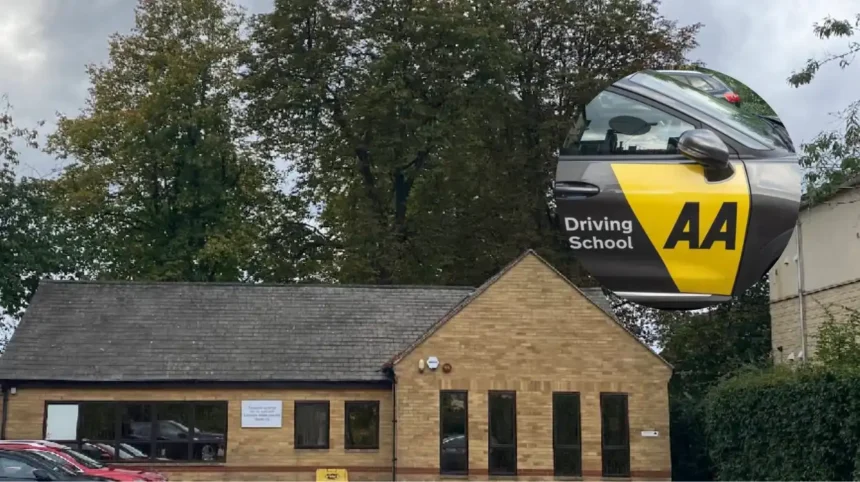
- Driving instructors in Oxfordshire and beyond are split: some welcome moves to protect learners, others warn that the change creates extra work and practical difficulties.
- Learners facing long waiting lists and cancelled appointments say the policy shift may not address backlog or cancellation issues.
- The DVSA says existing tests booked by instructors remain valid and that further changes (including limits on where tests can be moved) come into effect later in 2026 to make the system fairer.
Oxford(Oxford Daily) May 13, 2026 — DVSA announced that from May 2026, only learner drivers themselves will be permitted to schedule, alter or exchange their own practical driving tests; instructors will no longer hold that ability on behalf of pupils. This shift is intended to stamp out third-party resales and automated systems that scoop up desirable slots, a so-called “black market” that has seen test appointments offered on unofficial channels at inflated prices.
Who says what—what viewpoints have been reported?
The reporting shows a clear split: a number of instructors welcome the move because it should protect learners from unscrupulous resellers and restore fairness to the booking process, but other instructors warn that the measure will complicate lesson planning and force them to spend more time guiding pupils through the booking portal rather than teaching.
(As reported by the BBC’s transport correspondent) What concerns do learners and consumer groups express about the policy and the underlying backlog? Learners such as Aimee Fallaize of uk/local/bicester/">Bicester, who had a test cancelled at Banbury, told the BBC she has been “test-ready” for months yet still waits, illustrating that cancellations and long waits remain a problem and that restricting who can book may not speed up access to tests already delayed by backlog.
Why did the DVSA act? What problem is this trying to solve?
The government and DVSA say automated booking systems and third-party resellers were using loopholes to hoover up test slots and then sell them on, sometimes charging hundreds of pounds, which undermined fairness for genuine learners; restricting booking to learners is part of a broader package of reforms intended to ensure equitable access to tests and reduce resale activity.
How will the transition be handled, and what exceptions apply?
The DVSA has clarified that tests already booked by instructors will remain unchanged, so pupils with pre-existing appointments should not lose them; additionally, from June 9, 2026, there will be stricter limits on how and where a booked test may be transferred. Moves will be limited to one of the three nearest test centres to the original booking to reduce transfer-based gaming of the system.
What practical problems are instructors predicting?
Many driving instructors argue that being prevented from making test bookings on behalf of learners will force them into more administrative roles—spending time at the end of lessons coaching pupils through online booking forms, dealing with late cancellations, and managing rescheduling, thereby reducing time available for actual driving instruction and potentially increasing the number of short, fragmented lessons.
Are learners still vulnerable to cancellations and long waits?
Personal accounts collected by national broadcasters reveal that cancellations and long waiting lists remain a lived reality for many learners; a learner from Oxfordshire told reporters that repeated cancellations have left them stranded and that simply directing booking control to learners will not instantly resolve staffing, centre capacity or cancellation issues at test centres.
What do consumer advocates and MPs say about the “black market”?
Reporting earlier in the reform process documented MPs raising concerns; some suggested “stringent measures” were needed after evidence that private vendors and opportunistic individuals were charging up to several hundred pounds to secure tests, often by using automated tools to rebook and shift appointments as cancellations appeared. The DVSA and Transport Secretary stated that rules must be changed to protect fair access for genuine learners.
Will the rule reduce fraudulent or automated bookings?
The learner-only rule addresses part of the resale chain by removing an easy avenue for instructors or third-party agents to hold and transfer bookings, and it was accompanied by a public commitment from the DVSA to increase test capacity and tighten transfer rules; however, industry analysts warn automated bots and sophisticated resellers may still find other vulnerabilities unless accompanied by technical safeguards (such as identity verification or rate-limiting) and stronger enforcement.
What do driving schools and professional bodies recommend?
Representative bodies for driving instructors have encouraged calm and practical steps: advising instructors to inform learners about the changes, help prepare pupils for self-booking, and lobby for clearer guidance and technical support from the DVSA; some have also sought assurances that the reforms will not impose unfair burdens on instructors or undermine lesson continuity.
How will the change affect different regions differently?
Local centres with higher demand, such as those serving larger towns, are likely to feel the impact more sharply if cancellations and backlogs persist; smaller or less busy centres may see smoother implementation. Accounts from Oxfordshire learners and instructors highlight local cancellations and waits that mirror national patterns, signalling no single-region immunity from system-wide capacity constraints.
What are the DVSA’s next steps to address waiting times and fairness?
The DVSA has said it will increase the number of tests offered where possible and intends to continue reviewing booking and transfer processes, with adjustments aimed at making the system fairer for genuine learners while closing avenues used by resellers. The government guidance lays out a timetable and says further operational limits will be enforced to reduce opportunistic moving of tests between distant centres.
What are the legal and ethical considerations raised by attribution of claims?
Because the report draws on statements made by named individuals, learners, instructors, MPs and on assertions about unlawful resale practices, accurate attribution to the original journalists and outlets reporting those comments is essential to maintain journalistic neutrality, avoid misrepresenting sources, and limit legal liability for repeating contested allegations.
Background of the particular development
The roots of the current reforms run back to a post-pandemic surge in demand, staff shortages, and years of pent-up testing demand, which produced long waiting lists and numerous cancellations; opportunistic third parties exploited online booking mechanisms, sometimes using automated software, to obtain desirable slots and resell them at a profit, prompting pressure from MPs and consumer groups for regulatory fixes. The DVSA has progressively adjusted rules since 2024–25, culminating in the 2026 decision to restrict booking rights to learners themselves and to impose tighter transfer limits, alongside commitments to increase test capacity.
Prediction — how this development can affect learner drivers, instructors and the wider public
For learner drivers, the change should reduce direct resale opportunities and may give a clearer claim to fairness in the medium term, but immediate improvements in access depend on whether test centre capacity and cancellation rates are reduced; learners in high-demand areas may still face long waits and disruption. For instructors, the immediate effect is likely to be administrative friction, more time spent supporting pupils with bookings and possibly fewer smoothly coordinated lesson-to-test transitions unless the DVSA provides streamlined tools or exemptions for instructors acting purely as technical support. For the wider public, the change may curb profiteering and restore trust, but only if accompanied by effective technical safeguards and increased testing capacity; otherwise, the market pressures that produced the black market could persist in alternate forms.