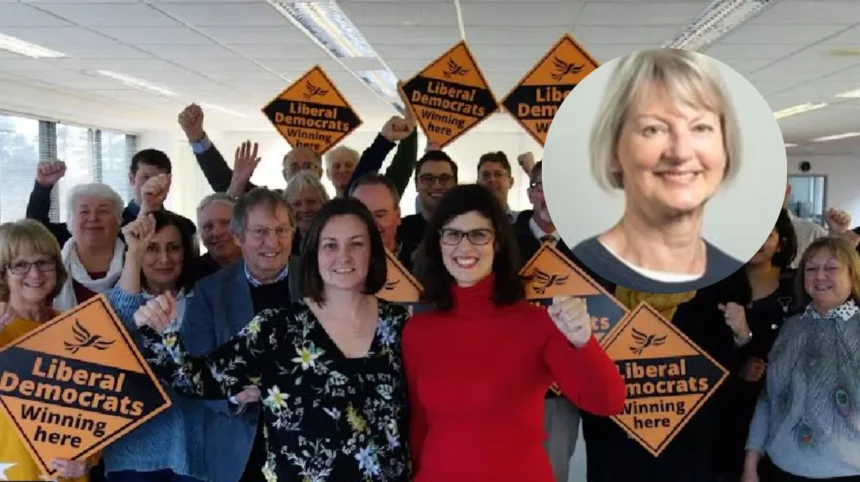
Key Points
- What prompted Liz Leffman to announce her resignation now?
- Who will replace Leffman as council leader and how will the process work?
- How have councils and parties in Oxfordshire reacted to the news?
- What immediate policy or administrative consequences might follow Leffman’s decision?
- How is this development placed within the wider local political landscape?
- Where can readers find the original reporting and attribution for key statements?
- What did Liz Leffman herself commit to after the announcement?
- How have local residents and stakeholders responded?
- Could this shift influence the upcoming unitary council plans?
- Are there wider lessons for local government from this change?
- Background of the development
- Prediction: how this development can affect Oxfordshire residents and local stakeholders
- Liz Leffman, leader of the Liberal Democrat-led Oxfordshire County Council, has announced she will step down as council leader.
- Leffman will not seek re‑election as leader but intends to remain a member of the council cabinet.
- The announcement follows local political shifts in Oxfordshire and ahead of the creation of a new unitary authority and forthcoming elections.
- Local reporting indicates Leffman’s resignation concludes a leadership spell that began in 2021 and saw the Lib Dems secure strong representation at the county level.
- The move has been covered by multiple media outlets, including the BBC and regional press; statements attributed to Leffman appear across those reports.
Oxford Council(Oxford Daily) May 13, 2026 – As reported by the BBC, Liz Leffman, the leader of the Liberal Democrat‑led Oxfordshire County Council, declared she will step down as leader and will not seek re‑election to that role, while confirming she will remain in the council’s cabinet.
Local analysts and reporters note that Leffman’s departure as leader comes at a politically sensitive time for Oxfordshire, amid shifts on district and city councils and ahead of the creation of a new unitary council structure that will reshape local governance and elections. Councillor Liz Leffman first became leader of the county council in May 2021, and her leadership has guided the Lib Dem administration through the last electoral cycle and substantial local policy debates.
The BBC provided national coverage of the announcement, while regional outlets and local government sources echoed the statement and added context around council priorities and the timing of Leffman’s decision.
Reports indicate she plans to remain in a cabinet role focusing on areas including climate action and sustainable economic growth, signalling a shift from broad leadership duties to targeted policy work within the administration. Observers suggest the leadership change will require the Lib Dem group to elect a successor and manage leadership continuity ahead of the structural changes to local government and upcoming elections; the exact political implications will depend on internal party choices and responses from opposition groups.
What prompted Liz Leffman to announce her resignation now?
As reported by BBC staff, Liz Leffman told council colleagues and the media that she would step down as the leader of Oxfordshire County Council, citing the natural timing of leadership change as the county prepares for structural shifts in local government and the approach of new electoral cycles. Local coverage expanded on that timeline, noting Leffman’s wish to concentrate on specific cabinet duties rather than sustain the responsibilities of overall leadership as the council navigates the unitary reforms and other policy challenges.
Who will replace Leffman as council leader and how will the process work?
Local government procedure requires the ruling group to nominate a successor, who must then be confirmed by the full council, and media coverage indicates the Lib Dem group will convene to decide on a leadership handover. The identity of a successor had not been confirmed at the time of the primary reports, and party spokespeople told reporters they would set out a timetable for the leadership election within the group.
How have councils and parties in Oxfordshire reacted to the news?
Regional reporting collected responses from councillors and opposition figures, who acknowledged Leffman’s service and underlined the importance of a smooth transition for council business. Party sources in the council emphasised continuity of key programmes—particularly on climate and economic development—while opposition councillors indicated they would scrutinise the incoming leader’s priorities closely.
What immediate policy or administrative consequences might follow Leffman’s decision?
Will council priorities change? Journalistic coverage suggests Leffman’s decision to remain in cabinet aims to secure continuity on certain portfolios, but the leadership vacancy may shift internal emphases and require reallocation of responsibilities across cabinet members. Council officers told local reporters they would continue routine business and maintain service delivery while political colleagues finalise the leadership replacement.
How is this development placed within the wider local political landscape?
The resignation arrives after a period of electoral volatility across Oxfordshire councils and as conversations continue about unitary reorganisation—matters that have been prominent in local reporting and are central to strategic planning for services and finances. Political commentators writing in local outlets framed the change as a tactical moment for the Liberal Democrats to renew leadership ahead of the next stage of local government reform.
Where can readers find the original reporting and attribution for key statements?
The BBC provided the principal national report on Leffman’s announcement, which has been republished or referenced by other news providers, including regional press and online news services that offered local analysis and quotations attributed to council sources. When quoting official statements or attributions, reporters cited Leffman directly and referenced council briefings and party communications.
What did Liz Leffman herself commit to after the announcement?
According to the BBC’s report, Leffman confirmed she would not seek re‑election as leader but intended to stay in the council’s cabinet, allowing her to focus on specified policy areas rather than the overarching leadership role. Local reporting reiterated those commitments and published further comment from Lib Dem colleagues praising her leadership and noting her decision reflected personal and political considerations related to the changing governance landscape.
How have local residents and stakeholders responded?
Coverage in regional outlets recorded measured responses from community groups and local stakeholders, who emphasised the importance of stability for council services, particularly in transport, social care and environmental programmes that have been central to the Lib Dem administration’s agenda. Civic organisations expressed a desire to see policy continuity regardless of leadership change.
Could this shift influence the upcoming unitary council plans?
Journalists analysing the story noted that any change at the top of the county council could affect preparations for unitary reorganisation by altering political leadership during a crucial planning window; however, officials insisted that project teams and officers would continue to advance work to the timetable set by statutory requirements.
Are there wider lessons for local government from this change?
Journalistic commentary framed the resignation as a reminder of the personal and political toll of long leadership roles, especially during periods of reform, and highlighted the need for parties to manage leadership transitions to maintain public confidence and policy momentum.
Background of the development
Liz Leffman became leader of Oxfordshire County Council in May 2021 and has led a Liberal Democrat administration through the council’s policies on climate action, transport, children’s services and local economic development. In 2025 and into 2026, Oxfordshire’s local political landscape saw shifting control and contested results across city and district councils, and national reporting noted no single party dominance in some areas, a context that framed Leffman’s decision within broader electoral and governance changes. Concurrently, plans for unitary reorganisation—a process to create larger single-tier authorities in some counties have been under discussion, meaning leadership continuity and handover timing are politically significant.
Prediction: how this development can affect Oxfordshire residents and local stakeholders
How might residents be affected by the leadership change? The transition in leadership could produce short-term uncertainty in political messaging and priorities, but because Leffman intends to remain in cabinet, major service delivery is unlikely to be disrupted; officers and cabinet colleagues have emphasised business-as-usual for council functions. For Civic groups and service users, a new leader could shift emphasis within policy areas such as transport, climate initiatives or social care—so stakeholders should watch forthcoming cabinet reshuffles and party statements to understand likely changes. Politically, the Lib Dem group will need to manage internal selection carefully to present clear plans ahead of the unitary transition and future elections, meaning local campaigning and council decision-making could become more prominent in the months ahead.