Key Points
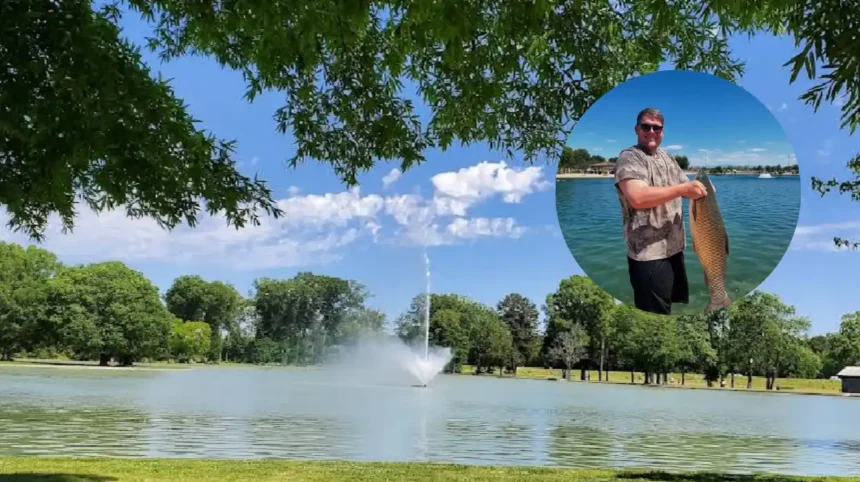
- Ronnie Smith, a longtime fisherman from Anniston, caught a 29.5‑pound orange koi carp at Oxford Lake, according to The Anniston‑Star coverage of the event.
- The fish was described as bright orange, unusually large, and visually striking, prompting local attention around the Oxford‑area lake.
- Smith and his wife chose to release the koi back into Oxford Lake after photographing it, following a catch‑and‑release practice.
- This marks the second unusual carp‑type fish Smith has landed in the Oxford Lake region, underscoring how decorative or non‑native carp sometimes appear in local waters.
- The episode highlights public interest in Oxford Lake as a fishing spot and raises questions about non‑native ornamental carp populations in area lakes.
Oxford(Oxford Daily)May 08, 2026-As reported by The Anniston‑Star, the catch took place at Oxford Lake, a water body near Oxford, Alabama, which has long drawn local anglers and fishing‑related community events. The fisherman was identified as Ronnie Smith of Anniston, described in the coverage as a longtime fisherman familiar with the Oxford Lake area and its irregular carp‑type catches. Smith told the paper that the appearance of such a brightly coloured carp was unexpected, even for someone with years of experience on the same water.
- Key Points
- How did the community react to the unusual catch?
- Why is an orange koi carp unusual in this lake?
- Have there been other unusual catches in this area?
- How do authorities view non‑native carp in local lakes?
- What does this episode mean for local anglers and lake visitors?
- Background of the Oxford Lake koi carp incident
- Prediction: How this development could affect local anglers and visitors
The Anniston‑Star’s coverage notes that the fish weighed 29.5 pounds, a size that stood out against typical coarse‑fish catches in the region and prompted immediate local interest when photos were shared. Smith and his wife opted to release the carp after documenting it, saying they wanted the fish to remain part of the lake’s ecosystem rather than be eaten or sold.
How did the community react to the unusual catch?
According to The Anniston‑Star’s reporting, neighbours, fellow anglers, and social‑media users in the Oxford‑Anniston area expressed surprise at the vivid orange colour and sheer size of the koi‑type carp. One local quoted in the story described the fish as “like a giant goldfish out of a pond,” underscoring how far it deviated from the usual bass, catfish, and bream more commonly seen in the lake.
The piece also points out that the Oxford Lion Club has previously organised youth‑fishing activities and outdoor‑adventure days at Oxford Lake, which may bring more young anglers into contact with unusual species such as ornamental carp. That context, the article suggests, could help spark conversations among parents, conservation groups, and local authorities about how non‑native fish reach public lakes and how they should be managed.
Why is an orange koi carp unusual in this lake?
The Anniston‑Star article emphasises that most fishers in the Oxford Lake area expect to catch sport fish such as largemouth bass, catfish, or panfish, not ornamental koi carp. Koi carp, which are bred from common carp for their bright colours, are typically kept in private ponds or ornamental water features rather than free‑swimming lakes, the paper noted.
The report cites Smith’s own observation that the appearance of a koi‑type carp weighing nearly 30 pounds indicates that either the fish escaped from a nearby pond or was deliberately released into the lake, possibly by a previous owner. Rather than speculating further, the article states that local experts and wildlife officials have previously warned that such releases can disturb native fish populations and water quality, even if individual anglers sometimes view them as amusing novelties.
Have there been other unusual catches in this area?
As The Anniston‑Star explains, Ronnie Smith’s latest orange koi capture is not his first odd carp‑style fish along Oxford Lake. The article briefly references his earlier catch of another distinctive carp‑type fish in the same general area, which he also released after photographing it. This pattern, the paper notes, hints at an ongoing presence of ornamental carp or similarly bred varieties in sections of the lake that Smith frequents.
The story also quotes local anglers who say they have seen similarly coloured carp‑like fish in nearby ponds and smaller water bodies, though weighted specimens of this size are rare. One retired fisherman mentioned in the article recalled catching a 20‑pound orange‑coloured carp in another river system, describing it then as “like a giant goldfish” and drawing a parallel to Smith’s Oxford Lake specimen.
How do authorities view non‑native carp in local lakes?
The Anniston‑Star’s coverage does not attribute a specific regulatory statement directly to state wildlife officials about this particular catch but does reference broader concerns that agencies and conservation groups have raised about non‑native carp in freshwater systems. The article points out that common carp and their ornamental relatives can stir up bottom sediments, reduce water clarity, and compete with native species, effects that have been documented in other lakes across the region.
Smith tells the reporter that he understands these concerns and that his decision to release the fish was guided both by respect for the animal and by an awareness that removing large carp from the water can help avoid over‑concentration of such species in one spot. The story notes, however, that there is currently no formal programme in place specifically targeting ornamental carp removal from Oxford Lake, leaving management largely to local anglers’ own practices and to the broader state‑level fish‑and‑wildlife regulations.
What does this episode mean for local anglers and lake visitors?
The article concludes by framing the catch as a reminder that Oxford Lake, while often treated as a typical local fishing spot, can occasionally yield surprises such as large ornamental carp. The Anniston‑Star quotes Smith as saying that the experience reinforced his interest in fishing the lake, even if he now pays more attention to the kinds of fish he might encounter and how they came to be there.
At the same time, the story notes that incidents like this can prompt local officials and community groups to revisit rules around fish stocking and the release of ornamental species, especially as lakes such as Oxford Lake host youth‑fishing events and other public programmes. How authorities and residents respond to such catches in the coming months could influence signage, education campaigns, and potential enforcement measures around the release of non‑native fish.
Background of the Oxford Lake koi carp incident
Oxford Lake, located near Oxford, Alabama, has long served as a local recreation and fishing site for residents of Anniston and nearby communities, with community groups such as the Oxford Lion Club regularly using it for youth‑fishing and outdoor‑adventure programmes. The lake is known primarily for species such as largemouth bass, catfish, and panfish, which support both casual and competitive fishing rather than ornamental‑pond species like koi.
The Anniston‑Star’s coverage of Ronnie Smith’s 29.5‑pound orange koi carp underscores a broader trend in which ornamental carp, bred for colour and size in ponds, occasionally turn up in public lakes, often as a result of aquarium or pond releases. Previous reports from other regions have documented similar orange‑coloured carp appearing in rivers and lakes, sometimes weighing several pounds more than native bass or catfish, and prompting warnings from wildlife agencies about ecological impacts.
In Oxford Lake’s case, the story highlights how one unusual catch can draw media and community attention while also surfacing questions about local fish‑management practices, the role of catch‑and‑release, and the extent to which ornamental carp populations are monitored or regulated.
Prediction: How this development could affect local anglers and visitors
For anglers fishing Oxford Lake and similar local waters, the episode is likely to raise awareness that non‑native ornamental carp can appear alongside regular sport fish, potentially prompting some to pay closer attention to species identification and local regulations. Community groups organizing youth‑fishing events may increasingly use such incidents as a teaching point about why releasing pet or ornamental fish into public lakes is discouraged, even if the fish look attractive or harmless.
For local authorities and environmental‑education initiatives, the visibility of a large orange koi carp could encourage more explicit signage or outreach about the risks of introducing non‑native species, as well as consideration of whether any additional monitoring or reporting mechanisms are needed for unusual catches. For residents and visitors, the story may simply reinforce the idea that Oxford Lake is not only a place for routine fishing but also a site where unexpected wildlife encounters can occur, shaping how they observe and report unusual fish in the future.