Key Points
- Oxford City Council has refused Regent’s Park College’s planning application to convert the Oxfam Bookshop on St Giles into a Middle Common Room (MCR) for graduate students.
- The council based its decision on local planning rules that restrict city‑centre ground‑floor units to retail, culture, tourism and entertainment uses.
- Regent’s Park College argued that its existing MCR was “underground, poorly lit and ventilated” and unsuitable for more than 150 students.
- Multiple Oxford residents and commentators objected to the closure of the bookshop, describing it as a “much‑needed” contributor to the city’s character.
- The Local Plan was cited as prioritising community‑benefit uses such as charity shops over expansions driven by academic institutions.
- It remains possible that Regent’s Park may appeal the council’s refusal, according to several commentators.
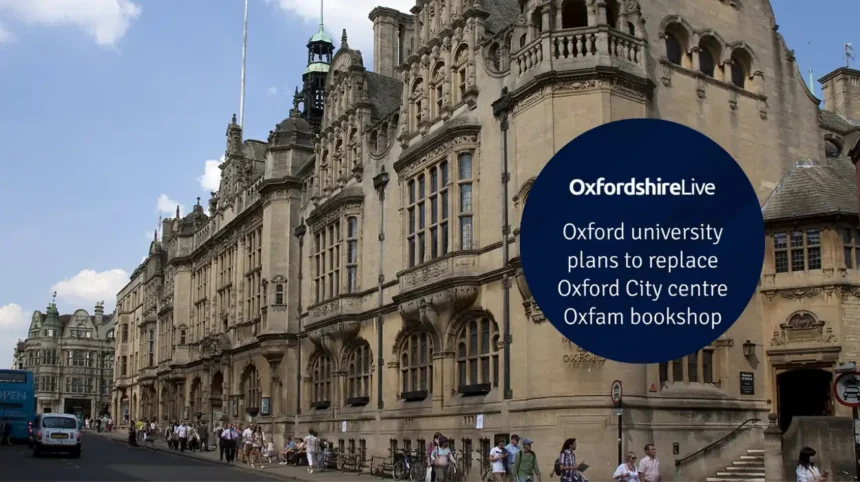
Oxford Council(Oxford Daily)April 24, 2026 – Oxford City Council has rejected Regent’s Park College’s planning application to convert the long‑standing Oxfam Bookshop on St Giles in the city centre into a Middle Common Room (MCR) for graduate students, saying the move would contravene the city’s Local Plan. The decision effectively blocks the college’s attempt to take back a ground‑floor unit it already owns and turn it from a charity‑run retail space into a student‑only facility.
- Key Points
- Why did the council reject Regent Park’s plan?
- What did Regent’s Park College argue?
- How did residents and commentators react?
- What is the background to this development?
- Background of the development
- What could this decision mean for local audiences?
- Prediction: How this development can affect particular audiences
Why did the council reject Regent Park’s plan?
Oxford City Council’s planning officers cited Local Plan policies that seek to protect retail, entertainment and cultural uses on main‑thoroughfare frontages, including St Giles. As reported by The Spectator columnist, the council argued that institutions serving the wider local community, such as a charity bookshop, should “take precedence” over demands from an academic institution to expand postgraduate facilities.
Officers also questioned Regent’s Park’s claim that the St Giles site was the “only viable option” for an improved MCR, noting that the existing ground‑floor‑level retail‑use designation made the change of use incompatible with the city‑centre framework. As noted in Oxford Clarion Weekend, planners pointed out that the Local Plan prioritises retail, entertainment and office uses in the city centre, which helped underpin the refusal.
What did Regent’s Park College argue?
Regent’s Park College maintained that its current MCR is “located underground and accessed solely via a narrow staircase, has no natural light or ventilation, and is wholly unsuitable for a community of more than 150 members”. As outlined in earlier coverage by The Spectator, the college’s planning statement stressed that the university had underlined the “importance of suitable, inclusive facilities for postgraduate students”, and that the college needed to respond by expanding its MCR.
The college also argued that turning the ground floor and basement of No. 56 St Giles into an MCR would create a “fit‑for‑purpose” space for graduate‑student “socialising and study” and would significantly improve the student experience. As reported by The Spectator in April 2026, the institution framed the proposal as an attempt to modernise long‑overdue facilities, even as the council’s refusal now puts those ambitions on hold.
How did residents and commentators react?
Local residents and commentators welcomed the council’s decision as a rare victory for town‑versus‑gown pressures in the city. Several Oxford residents who objected to the planning application described the Oxfam Bookshop as a “much‑needed bookshop which contributes to Oxford’s distinctive character”, according to Oxford Clarion Weekend.
Commentators such as the Spectator columnist argued that the refusal set an important precedent, insisting that community‑benefit uses should not be pushed aside simply to attract more fee‑paying postgraduate students. The columnist also noted that while an appeal by Regent’s Park remained possible, the council’s stance had already signalled that charity‑run cultural spaces on key streets could be protected under existing policy.
What is the background to this development?
The Oxfam Bookshop on St Giles is recognised as the first dedicated bookshop operated by the charity and has operated in the city centre for decades. For many years, it has functioned as a bargain destination for second‑hand books while also supporting Oxfam’s international aid work through its profits.
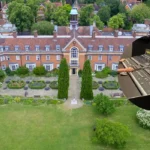
Regent’s Park College, a permanent private hall within the University of Oxford, has owned the building in which the bookshop sits and has periodically sought to reclaim or repurpose parts of the ground‑floor space. Earlier commentary in 2022 and again in 2026 highlighted a tension between the college’s financial and spatial priorities and the broader interest in preserving accessible, community‑facing retail and cultural sites in Oxford’s centre.
Background of the development
Regent’s Park College’s plan to convert the Oxfam Bookshop into an MCR emerged against a backdrop of long‑running debates over how the university and its constituent colleges use property in Oxford’s historic core. The city has seen repeated clashes over the loss of independent shops, the conversion of ground‑floor units to student or academic use, and the impact of rising rents on civic and cultural life.
The current Local Plan for Oxford includes specific policies that seek to retain and enhance retail, entertainment and tourism uses on main shopping streets such as St Giles, Cornel Street and the High Street. In the case of the Oxfam Bookshop, council planners interpreted those rules as requiring that a ground‑floor unit serving as a charity‑run retail and cultural space should not be converted to a student‑only facility, even when the landlord is an Oxford college.
What could this decision mean for local audiences?
For Oxford residents and shoppers, the council’s refusal suggests that existing Local Plan rules may continue to act as a brake on the closure of community‑facing shops and cultural venues in the city centre. If similar applications arise from other colleges or institutions, the precedent set here could encourage planners to prioritise broader civic use over the expansion of student‑only facilities.
For Regent’s Park College and other Oxford colleges, the decision may encourage more negotiations with charities and existing tenants before seeking to re‑let or repurpose ground‑floor units. It also highlights the potential for stronger community pushback when proposals threaten long‑established, popular city‑centre venues, particularly those linked to large charities with a visible fundraising role.
Prediction: How this development can affect particular audiences
For Oxford residents, the refusal of Regent Park’s MCR plan may strengthen expectations that local planning policy will protect accessible, low‑cost cultural spaces such as charity bookshops from being displaced by academic or student‑only expansion. This could make it harder for landlords with Oxford University ties to convert city‑centre retail frontages into student‑only facilities unless they can show a clear public‑benefit component or secure policy‑level changes.
For Oxford University colleges that rely on central‑city properties, the outcome may prompt more cautious planning‑application strategies, including earlier consultations with both the council and local community groups before announcing changes to long‑standing tenants. If the Local Plan is not revised, colleges may increasingly have to look to peripheral or non‑retail‑frontage sites for MCRs and other student facilities, which could affect how evenly student life is distributed across the city.
For national audiences interested in town‑versus‑gown dynamics and the loss of independent retail, the Oxfam‑MCR dispute may become a frequently cited example of how local‑plan rules and community lobbying can delay or block the conversion of charitable and cultural spaces into student‑only uses. That, in turn, could encourage similar campaigns in other university cities when proposals threaten established community‑facing premises.