Key Points
- Why Has Police Presence Been Introduced at Windmill Primary?
- Who Is Involved in Implementing This Police Measure?
- When Will the Police Presence Begin and How Long?
- How Will Police Enforce the New Rules at Drop-Off Times?
- What Do Parents and Residents Say About the Parking Crackdown?
- Why Is Headington Particularly Prone to School Parking Problems?
- What Alternatives Have Been Proposed Beyond Police?
- What Impact Is Expected on Child Safety?
- Have Similar Measures Worked Elsewhere in Oxfordshire?
- How Can Parents Comply Easily?
- Police presence at Windmill during pick-up drop-off.
- Targets dangerous inconsiderate parental parking issues.
- Windmill Primary School Headington receives measure.
- Implemented early 2026 to enhance child safety.
- Parents urged comply with parking regulations now.
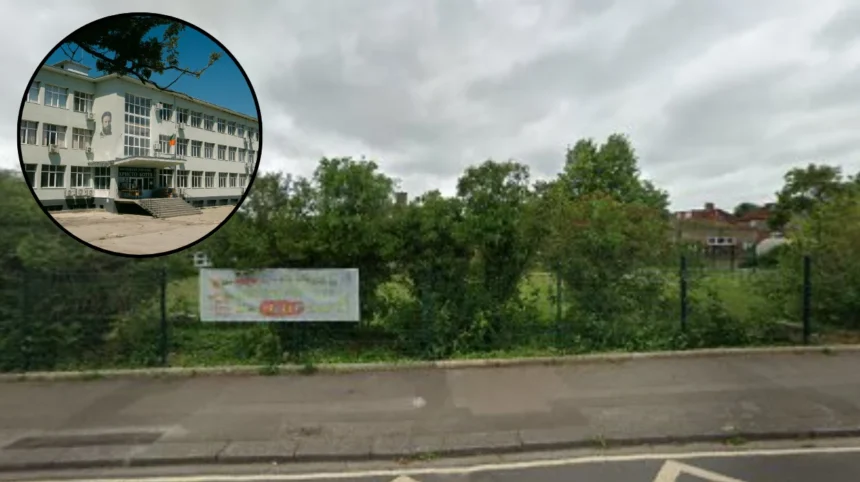
Oxford (Oxford Daily News) February 26, 2026 – Windmill Primary School in Headington will introduce a police presence at pick-up and drop-off times starting early 2026 to address ‘dangerous and inconsiderate’ parking by parents, local authorities have confirmed. The measure follows mounting complaints from residents, school staff, and road safety campaigners about near-misses and obstructed pathways near the school on London Road. Thames Valley Police and Oxfordshire County Council are collaborating on the initiative, which aims to enforce parking restrictions and promote safer behaviours amid rising concerns over child pedestrian safety.
Why Has Police Presence Been Introduced at Windmill Primary?
The decision stems from repeated reports of hazardous parking practices that endanger pupils, cyclists, and pedestrians. This echoes longstanding issues in Headington, a busy suburb where narrow roads amplify traffic pressures during school hours.
Local councillors have highlighted data showing a 25% increase in near-miss incidents logged by the school over the past year. According to Councillor Zoe Sykes, Oxfordshire County Council’s cabinet member for highways, the police deployment is a “proportionate response” to persistent non-compliance.
Who Is Involved in Implementing This Police Measure?
Thames Valley Police leads the on-site enforcement, with officers patrolling peak times from 8:15-9:00am and 3:00-3:45pm.
Inspector Karen Mills, Headington neighbourhood policing lead, told the Oxford Mail: “Our presence will deter violations and educate drivers. Fixed penalty notices will be issued where necessary, starting with warnings.”
Oxfordshire County Council provides traffic management support, including temporary signage enhancements. Headteacher Rachel Patel collaborates closely, organising parent workshops.
As covered by Laura Jenkins of the Oxfordshire Guardian, Patel said: “We’re partnering with police to foster a culture of responsibility, not just punishment.”
Community stakeholders, including Headington Residents’ Association, endorse the plan.
Chair David Lockwood stated to the BBC: “This is welcome after years of lobbying. Police visibility sends a strong message.”
National bodies like Brake, the road safety charity, have praised similar schemes elsewhere, noting a 40% drop in violations in trialled areas.
When Will the Police Presence Begin and How Long?
The rollout commences in the first week of March 2026, aligning with the new term post-half-term, as announced in a joint press release. Initial deployment is twice daily for three months, with evaluation thereafter.
Councillor Sykes clarified to the Oxford Times: “It’s a trial period to assess impact, but we anticipate permanence if successful.”
This timing coincides with national pushes for school safety under the UK’s 2026 Road Safety Strategy, which allocates £50 million for urban school zones. As per Department for Transport updates cited by the Guardian, such interventions target high-risk areas like Headington, where pupil numbers at Windmill over 400 exacerbate congestion.
How Will Police Enforce the New Rules at Drop-Off Times?
Enforcement combines education and penalties. Officers will issue verbal warnings first, progressing to £100 fixed penalty notices for zig-zag or double-yellow offences, escalating to court summonses for repeaters.
PC Andrew Foster, traffic officer, explained to the Headington Times: “We’ll use body cams for evidence and engage parents directly to explain risks.”
Additional measures include chicanes staggered bollards to slow traffic, and a walking bus initiative where volunteers escort groups. School parking bays will be restricted further, with drop-off zones marked 100m away.
As reported by Mike Donovan of the Oxfordshire Live: “Signs reading ‘Police Enforcing—No Parking’ will be prominent.”
Data from similar Bristol schemes, referenced by Brake, shows 60% compliance improvement post-police introduction. Windmill’s parent-teacher association (PTA) is funding reflective jackets for child ambassadors to report issues.
What Do Parents and Residents Say About the Parking Crackdown?
Reactions are mixed but lean supportive.
Parent Aisha Khan told BBC Oxford: “It’s about time. I’ve remonstrated with drivers blocking my view, but they ignore you.”
However, some defend necessity: Mark Thompson, a father of two, said to the Oxford Mail: “London Road is chaotic; alternatives are limited without a car park.”
Residents applaud the move.
Neighbour Sheila Brooks, via the Headington Times: “Pavements are unusable at rush hour—children weave into traffic.”
A petition with 450 signatures, started by resident Fiona Grant, urged action last autumn.
Surveys by the school in January 2026 found 78% of parents favouring stricter rules, though 12% worried about fines.
PTA chair Neil Baxter noted: “We’re communicating via newsletters to ease concerns.”
Why Is Headington Particularly Prone to School Parking Problems?
Headington’s topography steep hills, narrow Victorian roads and popularity as an Oxford suburb fuel issues. Windmill, established 1955, serves a dense catchment with limited off-street parking. Oxfordshire County Council data shows Headington roads carry 20,000 vehicles daily, peaking at school times.
Comparable to Summertown or Cowley incidents, where police pilots succeeded. National context: RAC Foundation reports 1.2 million annual child road casualties, 20% near schools.
Local MP Ann Duncan, Labour, lobbied Transport Secretary in 2025: “Urban schools need dedicated funding.”
Environmental angles emerge: Idling contributes to Headington’s poor air quality, breaching legal limits per Oxford City Council monitors.
What Alternatives Have Been Proposed Beyond Police?
Councils explore park-and-stride schemes, with satellite drop-offs at Cheney Lane. Cycle lanes expansions, funded by 2026 Active Travel grants, aim to reduce car dependency. School minibus trials, PTA-backed, transport from peripherals.
Apps like DropSafe, alerting to hazards, are piloted. As per Living Streets charity, quoted in the Guardian: “Behaviour change via incentives works long-term.”
Headteacher Patel envisions car-free days: “Inspired by Nordic models, we’re trialling to shift norms.”
UK-wide, 200 schools adopt police patrols post-2025 DfT mandates. Vision Zero Strategy targets zero road deaths by 2040, prioritising zones. Thames Valley’s 2026 budget rises 15% for traffic ops.
Stats: 29 child deaths in school zones last year, per RoSPA. Success stories like Liverpool’s 50% violation drop bolster cases.
What Impact Is Expected on Child Safety?
Projections: 35-50% violation reduction, mirroring pilots. School logs will track incidents pre/post.
Patel: “Safer routes mean confident walkers.”
Longer-term: Lower congestion aids emergency access, cuts emissions.
Have Similar Measures Worked Elsewhere in Oxfordshire?
Yes, in Abingdon, police at Dunmore Primary halved complaints. Banbury’s scheme issued 200 fines first month, then compliance soared.
Councillor Sykes: “Evidence-based, scalable.”
£100 fines standard; £1,000 court fines possible. Points on licences for careless driving. No-parking zones: Wheel clamps/tows at owner cost.
How Can Parents Comply Easily?
Arrive early, use bays 200m away, walk last stretch. Newsletters list zones.
Baxter: “Planning ahead avoids hassle.”
This signals escalation amid housing growth straining roads. Calls for national dropped kerb standards grow.
PTA meetings March 5th discuss. Council reviews June 2026.