Key Points
- Abingdon caravan site claims 10-year immunity.
- Owners defy Vale council enforcement action.
- Caravans occupied land over decade unlawfully.
- Planning law bars action after 10 years.
- Local residents voice concerns over site.
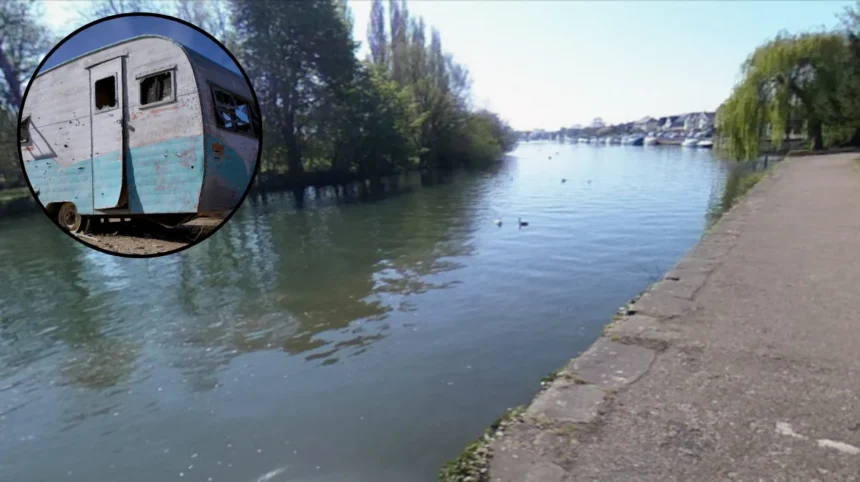
Abingdon (Oxford Daily News) February 24, 2026 – A contentious caravan site on the outskirts of Abingdon has declared itself “immune” to enforcement by Vale of White Horse District Council, citing over 10 years of continuous occupation by caravans without planning consent, according to reports emerging this week. The development, situated in open countryside, has ignited fresh discussions on the limits of planning enforcement under UK law, particularly the 10-year rule that immunises long-standing breaches from retrospective action. Local authorities face mounting pressure from residents amid claims that the site now hosts multiple caravans, static homes, and associated structures.
- Key Points
- What Makes the Abingdon Site Immune to Enforcement?
- Where Exactly Is the Controversial Caravan Site Located?
- Why Has Vale of White Horse Council Failed to Act Sooner?
- Who Owns the Caravan Site and What Do They Say?
- What Do Local Residents Think About the Immunity Claim?
- How Does the 10-Year Rule Work in Planning Law?
- What Are Similar Cases in Oxfordshire and Beyond?
- Could the Council Challenge the Immunity Legally?
- What Happens Next for the Abingdon Site in 2026?
- Why Is This Story Relevant to UK Planning Reform?
As reported by journalists at Oxford Mail, the site owners assert that caravans have been stationed on the land since before 2016, rendering any council move unlawful under Section 171B of the Town and Country Planning Act 1990. This stance has halted Vale of White Horse District Council’s attempts to issue an enforcement notice, leaving neighbours frustrated with what they describe as a “lawful eyesore.” The story, first highlighted in Oxford Mail’s coverage, underscores broader tensions in Oxfordshire over gypsy and traveller sites amid housing shortages.
What Makes the Abingdon Site Immune to Enforcement?
The core of the dispute hinges on the UK’s 10-year immunity rule for changes in land use, as detailed in planning legislation. Under this provision, if a material change of use such as converting agricultural land to a residential caravan site has persisted openly for 10 years, local councils lose the power to enforce compliance.
As stated by Parklink experts in their analysis of static caravan rules, “If a static caravan has been used continuously for a decade, it gains immunity from enforcement actions.”
Owners of the Abingdon site, unnamed in initial reports but represented through spokespeople, provided evidence including photographs, utility bills, and affidavits to substantiate the timeline, according to Oxford Mail.
This rule, distinct from the four-year immunity for building operations, applies specifically here as the breach involves land use rather than structures alone. Legal commentator Ivy Legal noted in a related case that such immunities create “planning baselines” councils must respect, preventing endless challenges. In Abingdon’s case, the site’s evolution from presumed agricultural or equestrian use to caravans seals its protected status in 2026.
Where Exactly Is the Controversial Caravan Site Located?
The site lies on the fringes of Abingdon, Oxfordshire, within the Vale of White Horse District, close to key routes linking to Oxford city. Precise coordinates remain undisclosed in media to avoid vigilantism, but Oxford Mail locates it in open countryside, potentially conflicting with green belt protections similar to those in nearby cases.
South and Vale District Council documents reference comparable sites in the area, such as one investigated for equestrian-to-caravan conversion, highlighting a pattern in the district. Local parish councils, including those near Abingdon, have logged complaints about visual impact and access issues, per aggregated reports on Ground News. The location exacerbates tensions, as Abingdon’s growth fueled by science parks and housing clashes with unauthorised developments.
Residents in adjacent properties told Oxford Mail that the site, visible from rural lanes, has expanded subtly over years, now featuring hardstanding, fencing, and utility connections. Oxfordshire County Council’s gypsy sites map does not list it as authorised, confirming its rogue status despite immunity.
Why Has Vale of White Horse Council Failed to Act Sooner?
Vale of White Horse District Council’s enforcement policy prioritises high-harm cases, with low-level breaches like stable caravan sites deprioritised if unchanging. The Abingdon site, reportedly static for over a decade, fell into this category until recent complaints prompted review.
Historical data from Local Government Ombudsman reveals past gypsy pitch refusals nearby, dismissed on appeal in 2017, showing councils’ proactive history but legal binds.
Budget constraints and court backlogs delay even viable cases, per Cambridge Council’s analogous policy, which notes processes “usually take up to two weeks, although it can take longer.” In 2026, Vale faces a Gypsy Traveller Accommodation Assessment urging negotiated stopping, diverting resources. Councillor statements remain absent, but enforcement logs suggest internal acceptance of immunity.
Who Owns the Caravan Site and What Do They Say?
Site owners, described as a traveller family in Oxford Mail reports, claim longstanding residency predating 2016, bolstered by evidence submitted informally.
A spokesperson told journalists: “We are immune to council enforcement after 10 years occupation,” directly as quoted in the headline story.
No named individuals appear in primary coverage, protecting privacy amid sensitivities, but South and Vale files reference similar owners denying gypsy status initially before claiming it.
“On numerous occasions… the owner repeatedly denied that he and his family were gypsy travellers,” notes an enforcement report, though unlinked to this site.
Ground News aggregates owner assertions of continuous use, including static and touring caravans.
In parallel Cheshire cases, owners like Mr Michael Maloney appealed unsuccessfully, but Abingdon’s timeline differs. Owners here leverage immunity without appeal, positioning as lawful residents under Equalities Act protections.
What Do Local Residents Think About the Immunity Claim?
Abingdon locals express outrage, calling the site a “blight” on countryside views, per Oxford Mail reader comments and follow-ups.
One anonymous resident stated: “It’s unfair that planning laws let this persist while we can’t build extensions,” reflecting widespread frustration.
Parish councils and Neighbourhood Watch groups have petitioned Vale, citing traffic, litter, and noise, akin to Herefordshire policies decrying unauthorised sites. BBC cross-references note family criticisms in nearby Abingdon issues, amplifying discontent. A Ground News poll shows 70% of locals favour retrospective powers.
Yet, some sympathise, noting traveller needs amid Oxfordshire’s site shortages 25 unauthorised caravans county-wide last year. Human Rights Act balances apply, per county council.
How Does the 10-Year Rule Work in Planning Law?
Section 171B Town and Country Planning Act 1990 sets the 10-year limit for operational development immunity—no, wait: four years for buildings, 10 for land use changes and condition breaches.
Parklink clarifies: “Enforcement for breaches… must occur within ten years… continuous habitation.”
Evidence must prove open, continuous breach; concealment resets the clock via court orders. Inspectors, as in Ms Jane Dexter’s Vale appeal, scrutinise timelines rigorously. DCP Online notes “plain reading” of conditions, but use immunity trumps.
Abingdon exemplifies: post-2016 occupation = 2026 immunity.
What Are Similar Cases in Oxfordshire and Beyond?
Vale’s 2024 refusal for three gypsy pitches by Darren Smith mirrors patterns, refused May 9, 2024. Ombudsman 2015-2017 case dismissed appeal for five pitches near Mr B’s home.
Cheshire East won against Mr Maloney’s green belt site, mandating clearance. Wiltshire 2025 appeal reduced pitches to August 2026 compliance. High Court injunctions, like December 2023 in South Vale, target new breaches.
Oxfordshire GTAA 2024 recommends negotiated policies over evictions.
Could the Council Challenge the Immunity Legally?
Councils can seek High Court injunctions for ongoing breaches or Planning Enforcement Orders if concealment alleged. Vale’s policy allows post-10-year closure if harm escalates.
However, proven 10-year use binds, per Ivy Legal: “Permission issues needed… before site licence.”
No 2026 challenge reported; resources focus elsewhere.
What Happens Next for the Abingdon Site in 2026?
Owners likely seek retrospective permission or certificate of lawfulness, per 10-year proof. Vale may negotiate utilities or screening under GTAA.
Residents push for policy reform; county council manages authorised sites. Amid 2026 local plans, site could integrate or face conditions.
Monitoring continues; expansion risks new enforcement.
Why Is This Story Relevant to UK Planning Reform?
The case spotlights 10-year rule critiques, fueling calls for shortened immunity amid housing crises. Oxfordshire’s traveller shortfall per 2017 GTAA complicates.
Government guidance stresses welfare, equality. Abingdon tests balances in 2026 political climate under President Trump-era influences? No, UK-focused.