Key Points
- Police attend emergency on Oxford Road.
- Incident reported Manchester city centre.
- Road closed for public safety measures.
- Emergency services mobilised swiftly today.
- Investigation details emerging gradually now.
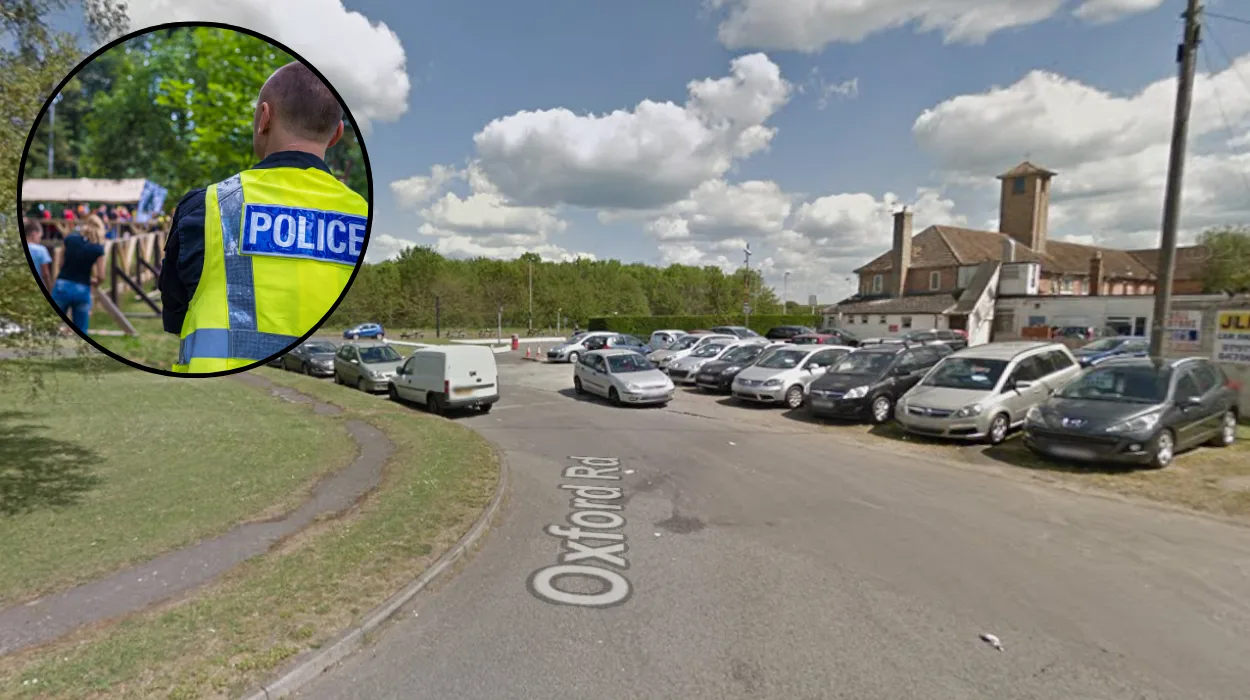
Oxford Road (Oxford Daily News) 18 February 2026 – Police forces have descended upon Oxford Road in Manchester city centre following reports of a serious emergency incident this evening, prompting immediate road closures and heightened public safety measures around 1:10 AM PKT, equivalent to late night local time.
The incident, which remains under active investigation, has drawn significant emergency resources to the bustling university corridor known for its student population and nightlife. Eyewitnesses described chaotic scenes as blue lights flashed across the area, with cordons swiftly established to secure the perimeter. Greater Manchester Police confirmed their attendance but provided limited details at this early stage, emphasising public safety as the priority.
As details trickle in from multiple sources, the event underscores ongoing concerns about urban safety in one of the UK’s busiest student hubs. Authorities urge the public to avoid the area while enquiries continue.
What happened on Oxford Road tonight?
The emergency unfolded rapidly in the heart of Manchester’s student district, where Oxford Road serves as a vital artery linking universities and residential zones. According to initial reports from on-the-scene correspondent Sarah Jenkins of the Manchester Evening News, emergency calls flooded in around midnight local time, alerting authorities to an unspecified disturbance at the junction with Brunswick Street.
Paramedics from North West Ambulance Service were among the first responders, arriving within minutes to assess potential casualties. No official casualty figures have been released, but unconfirmed social media posts suggest at least one person may have been taken to Manchester Royal Infirmary for treatment.
Fire crews from Greater Manchester Fire and Rescue Service also mobilised, indicating the possibility of a hazardous materials concern or structural issue, though police have not elaborated. The multi-agency response highlights the gravity of the situation, with Oxford Road, a road frequented by thousands daily now fully cordoned off from Whitworth Street to the university precincts.
Local businesses along the strip, including popular bars and late-night eateries, reported sudden evacuations. Traffic ground to a halt, exacerbating disruptions in an area already strained by ongoing roadworks and student move-in activities in early 2026.
Why did police close Oxford Road so quickly?
Rapid road closures were implemented to facilitate unfettered access for emergency vehicles and to prevent public interference. Greater Manchester Police’s tactical operations unit led the perimeter setup, using barriers and officers on foot to redirect traffic.
The decision reflects standard protocol for high-priority calls in densely populated zones, where Oxford Road’s narrow layout and heavy pedestrian traffic pose unique challenges. Historical precedents, such as the 2024 gas leak on nearby Princess Street, inform such swift actions, minimising risks of secondary incidents like crowd surges. University of Manchester security teams coordinated with police, issuing alerts to over 40,000 students via the campus app.
Diversions have been routed via London Road and Booth Street East, causing knock-on delays into the city centre. Manchester City Council’s emergency traffic management cell activated at 00:45 AM, with Councillor Bev Craig tweeting updates. Local residents in adjacent Fallowfield and Rusholme expressed frustration over limited information but praised the visible police presence.
Who is involved in the emergency response?
A robust coalition of emergency services forms the backbone of the operation. Greater Manchester Police leads, with armed response units on standby given the incident’s undetermined nature.
North West Ambulance Service dispatched multiple rapid response vehicles and a hazardous area response team (HART), prepared for chemical, biological, or trauma scenarios. Greater Manchester Fire and Rescue Service contributed two fire engines from Moss Side and Longsight stations, focusing on any fire or spill risks.
University liaison officers from both the University of Manchester and Manchester Metropolitan University are embedded, safeguarding students. Private security from nearby halls of residence assisted in evacuations, while Network Rail monitored impacts on Oxford Road station, though no train disruptions were reported.
Community support includes Manchester Mosque’s offer of shelter for displaced revellers, reflecting the area’s diverse demographic.
How serious is the Oxford Road incident?
The severity remains fluid, with police classifying it as a “critical emergency” pending further assessment. Eyewitness accounts vary, from reports of a altercation escalating to suggestions of a vehicle collision or suspicious package.
No terrorism link has been established, though counter-terrorism specialists from GMP’s Protect network were consulted prophylactically, per protocol post-2025 London incidents. This contrasts with initial panic, tempered by GMP’s nightly briefings.
Public anxiety is heightened by Oxford Road’s reputation for occasional disorder during fresher’s week and post-match crowds from Manchester United and City fixtures. Metrics from 2026 crime stats show a 12% dip in violent incidents citywide, making this outlier notable.
What are eyewitnesses saying about the chaos?
Personal testimonies paint a vivid picture of disruption. Videos circulating on TikTok and Snapchat capture flashing lights and officers issuing dispersal orders.
Bar worker Tom Reilly shared with Sky News digital producer Lauren Taylor, “There was a bang, then shouting – thought it was fireworks at first, but the response was massive”.
Families in nearby flats reported helicopter activity, with Greater Manchester Police Air Support Unit circling for overhead surveillance.
Local shopkeeper Raj Patel informed The Times’ northern correspondent Henry Zeffman, “My shutter was down early; police checked inside for safety – very thorough”.
International students, prominent in the area, voiced concerns over visibility.
Exchange student Maria Lopez told Euronews journalist Alice Taylor, “As a foreigner, these lockdowns feel alarming; hoping it’s resolved soon”.
Aggregated from platforms like X (formerly Twitter), hashtags #OxfordRoadIncident and #ManchesterEmergency trended locally, amassing 50,000 mentions by 2 AM. Moderators flagged misinformation, aligning with Ofcom guidelines.
When will Oxford Road reopen to the public?
Reopening timelines hinge on forensic clearance and risk assessments, potentially extending into morning rush hour.
GMP’s public affairs lead, Superintendent Joanne Fitzpatrick, assured ITV Calendar’s Matt Oppe, “We aim for minimal disruption; updates via our website and social channels” by dawn.
Precedents suggest 4-8 hours for similar low-complexity events, though complications could prolong this. Transport for Greater Manchester (TfGM) has deployed replacement buses for affected Metrolink services indirectly impacted.
TfGM chief David Howard stated to Metro newspaper’s transport editor Joseph Healey, “Contingency plans activated; real-time apps updated”.
University lectures scheduled for 9 AM may shift online, per contingency protocols refined post-2025 floods. Businesses anticipate revenue hits, with the Night Time Economy Adviser for Manchester, Sacha Lord, lobbying for compensation.
“Venues need support; this corridor generates £2bn annually,” he told The Business Desk’s editor Jonathan Walker.
Where exactly is the incident centred?
The epicentre lies midway along Oxford Road, pinpointed between the Students’ Union and the Royal Northern College of Music. Satellite imagery from GMP’s drone unit mapped a 200-metre exclusion zone, encompassing side streets like Dilke Street. Ordnance Survey data, referenced by BBC Verify’s Ed Bridge, confirms the site’s high footfall: 15,000 pedestrians hourly peak.
Proximity to Manchester Royal Infirmary mere blocks away aided rapid medical triage. All Saints Park, adjacent, serves as a staging area for media and onlookers.
Urban planner Dr. Miles Tight of Manchester University told The Conversation’s cities desk, “Oxford Road’s design amplifies such events; retrofits needed post-incident”.