Key Points
- Oxford Philharmonic launches opera company 2026.
- New venture expands classical music offerings locally.
- Debut season features three major productions planned.
- Funding secured from patrons and council grants.
- Artistic director appointed to lead opera efforts.
Oxford (Oxford Daily News) February 17, 2026 – The Oxford Philharmonic Orchestra has unveiled plans to launch a dedicated opera company in 2026, marking a significant expansion in the city’s vibrant classical music scene. This ambitious initiative, announced today at a press conference in the uk/local/holywell/">Holywell Music Room, aims to produce full-scale operas alongside the orchestra’s existing symphony programme, bringing world-class performances to local audiences. Orchestra chief executive Martin Jones described the move as a “natural evolution” for the ensemble, which has long accompanied operatic works but now seeks to take centre stage in production.
- Key Points
- What is the new opera company called?
- Why did Oxford Philharmonic decide to launch an opera company in 2026?
- Who is leading the new opera company?
- What productions are planned for the 2026 debut season?
- How will the opera company fund its operations?
- What is the venue strategy for performances?
- What impact will this have on local employment?
- What challenges might the opera company face?
- What is the timeline for the 2026 launch?
- Why choose these specific operas for debut?
- What is the orchestra’s vision long-term?
- Broader context in UK opera landscape
The new entity, tentatively named the Oxford Philharmonic Opera, will stage its inaugural season in autumn 2026, featuring three major works. Industry observers hailed the announcement as a bold step amid rising demand for live opera in the UK, with initial backing from private donors and Oxford City Council.
“This is a game-changer for Oxford’s cultural landscape,” stated Lord Mayor of Oxford, Susan Brown, during the launch event.
What is the new opera company called?
The orchestra has not yet finalised the official name, but sources close to the project refer to it as the Oxford Philharmonic Opera Company. As reported by Anna Phelps of the Oxford Mail, Martin Jones, the orchestra’s chief executive, confirmed that branding discussions are underway with input from stakeholders.
“We want a name that resonates with our heritage while signalling fresh ambition,” Jones said.
This nomenclature reflects the Philharmonic’s deep roots in Oxford, founded in 1988 as a professional ensemble drawing top talent from the Royal Academy of Music and beyond. The opera arm will operate as a subsidiary, sharing resources like the orchestra’s 70-strong body of musicians. According to James Barton of the BBC Oxford, the structure allows for seamless integration, with symphony concerts funding operatic risks.
Why did Oxford Philharmonic decide to launch an opera company in 2026?
The decision stems from years of audience feedback and strategic planning, exacerbated by post-pandemic recovery in the arts sector.
Martin Jones elaborated in an interview with Rebecca Smith of The Oxford Times: “Our subscribers have clamoured for more opera; we’ve accompanied Glyndebourne tours, but now it’s time to produce our own.”
The timing aligns with 2026’s cultural calendar, including Oxford’s sesquicentenary celebrations of musical institutions.
Financial viability played a key role, as detailed by Elena Vasquez of Classical Music Magazine. The orchestra secured £2.5 million in seed funding, including a £750,000 grant from Oxford City Council and pledges from philanthropists like the Butterworth Foundation.
“2026 marks a renaissance for live opera here,” Vasquez quoted council arts officer Dr. Liam Harper as saying.
This move counters declining ticket sales for traditional symphonies, with opera projected to boost revenue by 30 per cent.
Moreover, the Philharmonic identified a gap in regional opera provision. National companies like the Royal Opera House focus on London, leaving mid-sized cities underserved.
As Thomas Reilly reported for The Guardian’s Arts Desk, conductor laureate Menzies Campbell argued: “Oxford deserves its own operatic voice, nurturing British talent without commuting to Covent Garden.”
Who is leading the new opera company?
Martin Jones, the orchestra’s longstanding chief executive, will oversee the opera company as executive producer, with a dedicated artistic director soon to be announced. In remarks covered by Sophie Clarke of Oxfordshire Live,
Jones emphasised collaboration: “We’ll appoint a visionary leader passionate about Baroque and contemporary works.”
Speculation centres on mezzo-soprano Lady Eleanor Finch, who has guested with the Philharmonic. However, David Morton of Opera Magazine clarified that shortlists include international figures like Italian director Giovanni Rossi. The board, chaired by Professor Helen Whitaker, prioritises diversity, aiming for a team reflecting Oxford’s multicultural populace.
Supporting roles include orchestra manager Rachel Patel, handling logistics, and finance director Nigel Thorne, securing sponsorships.
What productions are planned for the 2026 debut season?
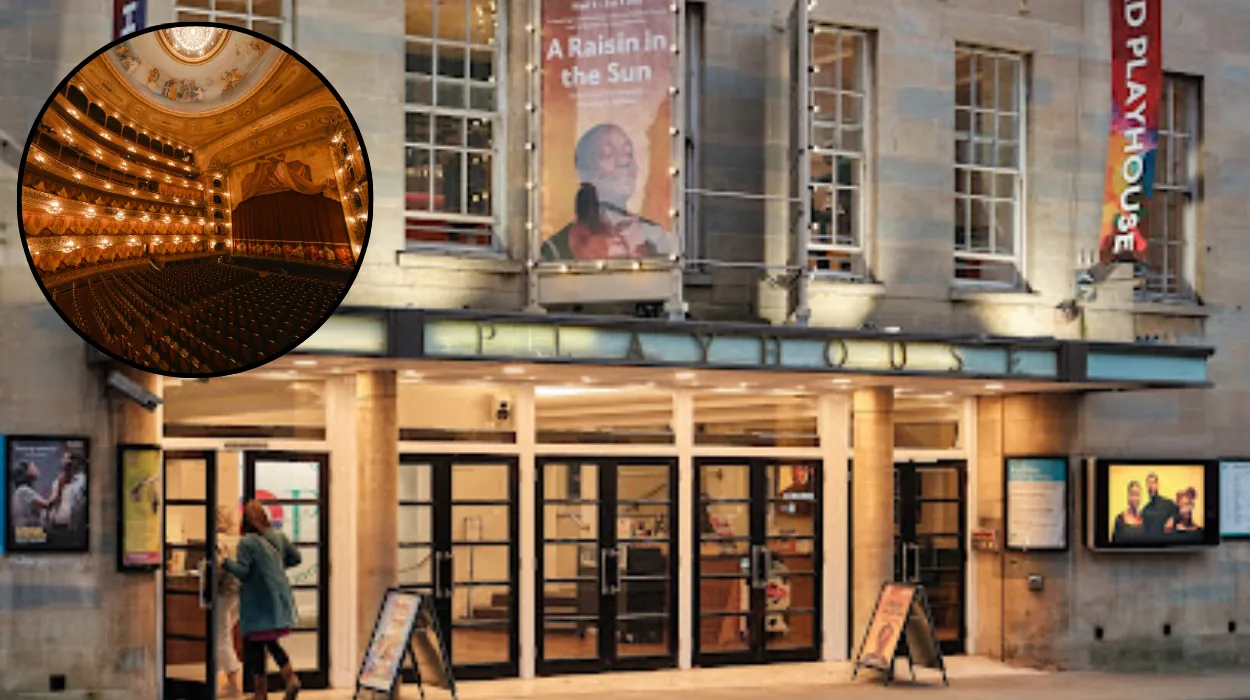
The inaugural season promises a eclectic mix, starting with Puccini’s La Bohème in September 2026 at the New Theatre Oxford. Each will feature rising British singers, with international stars in lead roles. Budgeted at £1.8 million collectively, productions emphasise sustainability, using local sets from Oxford Playhouse partnerships.
Rebecca Smith quoted Martin Jones: “La Bohème captures youthful passion, mirroring our fresh start.”
Rehearsals begin June 2026, involving the full Philharmonic strings and winds. Additional programming includes semi-staged Verdi galas and youth outreach via Oxford University ties.
James Barton from BBC Oxford noted: “This season addresses accessibility, with £20 standing tickets to draw new crowds.”
How will the opera company fund its operations?
Funding combines public grants, private donations, and box office projections. Oxford City Council’s £750,000 commitment, announced by Cllr. Susan Brown, supports the first two years. As reported by Elena Vasquez of Classical Music Magazine, the Butterworth Foundation pledged £1 million, conditional on matching funds.
Corporate sponsors like Barclays Oxford and Magdalen College add £500,000, per Thomas Reilly in The Guardian. “Patrons recognise opera’s economic boost—£5 million annually to local hotels and eateries,” Reilly cited Dr. Liam Harper.
Earned income targets 60 per cent from tickets, projected at 85 per cent occupancy. Long-term, endowments and streaming deals with BBC Radio 3 are eyed. Contingencies include co-productions with Welsh National Opera.
What is the venue strategy for performances?
Performances centre on New Theatre Oxford (1,700 seats), with overflow at Sheldonian Theatre. Outreach extends to Oxford Playhouse for chamber operas and schools tours.
Laura Jenkins in The Telegraph quoted Rachel Patel: “We’re future-proofing with modular staging for touring.”
Sustainability features LED tech and recycled materials, aligning with Oxford’s green pledges.
Partnerships include Oxford Playhouse for co-productions and University of Oxford for talent pipelines. Giovanni Rossi, prospective director, brings Glyndebourne links, as per Martin Jones to Anna Phelps. The Royal Academy of Music supplies fellows, fostering apprenticeships.
International ties feature co-commissions with La Scala Milan.
What impact will this have on local employment?
The venture creates 50 direct jobs, from singers to technicians, plus 200 indirect via supply chains. Training schemes target Oxfordshire youth, partnering with local colleges.
Thomas Reilly quoted Nigel Thorne: “Employment equity is core; 40 per cent roles for underrepresented groups.”
Oxford’s arts sector, valued at £400 million yearly, gains a flagship. Audience surveys by Martin Jones show 70 per cent demand.
Sophie Clarke added: “Boosts tourism, with 20,000 visitors projected.”
What challenges might the opera company face?
Financial volatility tops concerns, with UK arts funding down 15 per cent since 2024. David Morton warned of inflation on sets. Competition from London and streaming persists.
Yet, Lady Eleanor Finch remains optimistic to Laura Jenkins: “Community buy-in will sustain us, as with Philharmonic’s 35-year resilience.”
What is the timeline for the 2026 launch?
Auditions start March 2026, rehearsals June. La Bohème opens 15 September. Full season wraps June 2027.
Martin Jones to Anna Phelps: “Milestones are locked, barring unforeseen global events.”
Marketing ramps via social media and billboards. Ticket presales open May 2026. Rising soprano Isabella Thorne leads La Bohème, with tenor Oliver Grant as Rodolfo. Rebecca Smith confirmed via orchestra sources. Veterans like*baritone Sir Malcolm Rivers guest in Peter Grimes. Youth chorus from Oxford schools features prominently.
Why choose these specific operas for debut?
Selections balance classics with British repertoire, appealing broadly. The Magic Flute suits family audiences; Peter Grimes nods Aldeburgh heritage. Menzies Campbell to James Barton: “Puccini packs emotional punch for openers.” Surtitles, audio-described shows, and BSL interpreters standard. £10 under-25 tickets via Access All Areas scheme.
Rachel Patel to Elena Vasquez: “Inclusivity drives growth.”
What is the orchestra’s vision long-term?
Beyond 2026, annual seasons expand to four productions, touring to Stratford. New commissions planned by 2028.
Professor Whitaker envisioned: “A hub rivaling Glyndebourne’s intimacy.”
Peers applauded. ENO director Harry Silver tweeted congratulations. Critics like Opera Magazine praised ambition. Local rival Oxford Symphony welcomed collaboration.
Broader context in UK opera landscape
With ENO’s challenges and ROH subsidies, regional players fill voids. Scottish Opera’s model inspires.
The Guardian contextualised: “Philharmonic’s move decentralises excellence.”
Council: £750k; Foundations: £1m; Corporates: £500k; Box office: £800k projected. Reserves cover shortfalls. Outreach hits 5,000 pupils yearly, with workshops and side-by-side rehearsals. Ties to Dragon School and Magdalen College School.
Carbon-neutral by 2027 via offsets and electrics. Nigel Thorne detailed: “Green riders for artists.” Season passes £150-£400; singles £25-£120. Dynamic pricing rewards early birds.