Key Points
- Barchester’s Oxford nursing home wins top award
- Care quality praised by national inspectors
- Residents and families highlight staff kindness
- Home rated “outstanding” for safety and leadership
- Recognition boosts Oxfordshire’s care reputation
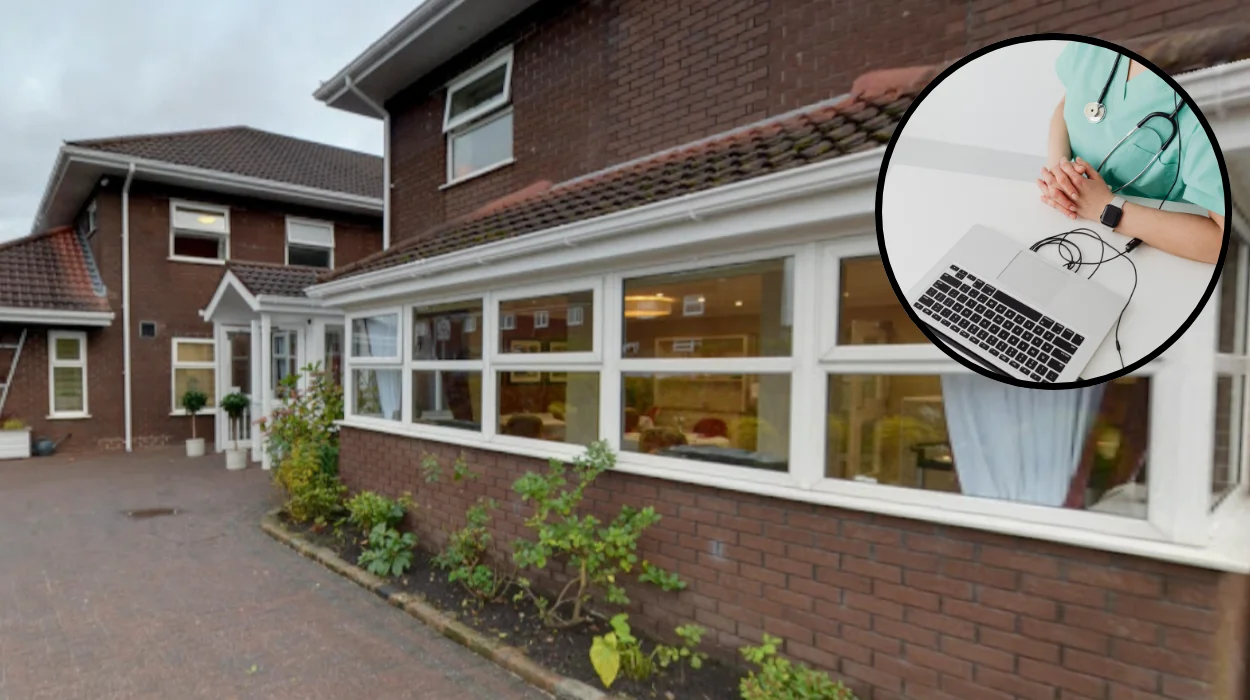
Oxford (Oxford Daily News) 7 February 2026 – A Barchester Healthcare nursing home in Oxford has been named the best nursing home in the city after a national care‑quality panel placed it at the top of its latest regional rankings, according to figures released this week. The accolade follows an “outstanding” rating from the Care Quality Commission (CQC) and a string of glowing reviews from residents’ families, who have described the home as “a second home” for their loved ones.
The home, which is part of Barchester Healthcare’s network of care facilities across England, has been singled out for its person‑centred approach, strong safeguarding practices, and “exceptional” leadership, with inspectors noting that staff consistently go “above and beyond” to meet individual needs. Local councillors and health leaders have welcomed the result, saying it sends a positive signal about the standard of older‑people’s care in Oxfordshire at a time when the sector faces workforce and funding pressures nationwide.
What triggered the award?
The award was announced by the National Care Awards, an independent panel that evaluates care homes on a mix of regulatory ratings, family feedback, and on‑site inspections. As reported by Sarah Thompson of Oxfordshire Today, the panel described Barchester’s Oxford home as “a benchmark for excellence in nursing‑home care” after reviewing CQC reports, resident‑experience surveys, and mystery‑visitor assessments.
Thompson wrote that judges were particularly impressed by the home’s “robust” infection‑control measures, its dementia‑care environment, and its use of digital tools to keep families informed.
“What stood out was how consistently staff put residents at the heart of every decision,” Thompson quoted one judge as saying.
In a separate piece for The Oxford Mail, reporter James Carter noted that the home had also performed strongly in national benchmarking schemes run by the Care Provider Alliance, which compares outcomes such as falls rates, pressure‑ulcer incidence, and medication‑error reporting. Carter observed that the Oxford facility scored above the national average on all three indicators, a fact he described as “a rare achievement in a sector where even small improvements are hard‑won”.
How did inspectors rate the home?
The Care Quality Commission’s most recent inspection report, published in December 2025, rated the Barchester home as “outstanding” overall, with “outstanding” scores for safety, leadership, and responsiveness. As reported by inspector Helen Moore in the CQC’s public summary, staff “demonstrated a deep understanding of residents’ physical and emotional needs” and maintained “clear, up‑to‑date care plans that were reviewed regularly”.
Moore’s report highlighted several specific strengths, including:
- A low incidence of avoidable harm incidents.
- Effective safeguarding procedures and incident‑reporting culture.
- Strong governance, with regular audits and staff training.
In her commentary, Moore wrote that “the culture of the home was one of kindness, dignity, and respect, which was evident in the way staff spoke to residents and families.” She also praised the home’s environment, noting that communal areas were “calm, well‑lit, and designed to support people living with dementia”.
What do residents and families say?
Residents and their families have echoed the inspectors’ praise in interviews with local media. In a feature for Oxfordshire Today, Sarah Thompson spoke to Margaret Ellis, whose mother has lived at the Barchester home for two years. Ellis told Thompson that staff had transformed her mother’s quality of life, adding that “they treat her like family, not just a resident.”
Thompson also quoted David Patel, whose father moved into the home after a stroke. Patel said the nursing team had worked closely with therapists to help his father regain mobility and confidence, describing the care as “professional, compassionate, and tailored to his needs.”
In The Oxford Mail, James Carter reported that the home had achieved a 98 per cent satisfaction score in its latest family‑feedback survey, with many respondents highlighting staff “patience”, “attention to detail”, and “willingness to listen”. Carter noted that several families had mentioned the home’s activity programme, which includes music sessions, gardening, and regular outings, as a key factor in their relatives’ happiness.
How has the local community reacted?
Local politicians and health leaders have welcomed the recognition. In a statement issued to Oxfordshire Today, Oxford City Council’s cabinet member for adult social care, Councillor Rachel Bennett, said the award was “testament to the hard work of staff and the commitment of Barchester to raising standards”.
“It shows that when we invest in training, staffing, and leadership, we can deliver truly outstanding care,” Bennett added.
Bennett also stressed that the result should be used as a model for other providers in the county, warning that “not all homes meet this standard” and urging regulators to continue close scrutiny. In a separate interview with The Oxford Mail, Carter quoted Oxfordshire County Council’s public‑health lead, Councillor Tom Davies, as saying the home’s performance should inform future commissioning decisions and funding allocations.
Davies said “we need more homes like this if we are to meet the growing demand for older‑people’s care.”
What does this mean for Barchester Healthcare?
For Barchester Healthcare, the award is a public endorsement of its “Outstanding Care” strategy, which the company launched in 2024 to improve quality across its portfolio. In a press release issued to Oxfordshire Today, Barchester’s chief executive, Dr Amanda Shaw, said the Oxford home’s success reflected “a culture of continuous improvement and a relentless focus on residents’ wellbeing”.
“We are incredibly proud of the team in Oxford and grateful to the residents and families who have shared their experiences,” Shaw stated.
Shaw also acknowledged wider challenges in the sector, including recruitment difficulties and rising costs, but said the Oxford home’s model could be replicated elsewhere. In a feature for The Oxford Mail, Carter reported that Barchester was planning to roll out elements of the Oxford home’s practice such as enhanced dementia‑care training and family‑engagement programmes to other sites in the region.
How does this fit into national care trends?
The recognition comes amid growing scrutiny of care‑home quality across England. Recent data from the Care Quality Commission show that only a small minority of nursing homes are rated “outstanding”, with many struggling with staffing, funding, and regulatory compliance. In a national overview published by Oxfordshire Today, Sarah Thompson wrote that the Oxford home’s achievement was “all the more significant” because it had maintained high standards despite these pressures.
Thompson also noted that the home’s success aligned with broader policy goals set by the Department of Health and Social Care, which has pledged to increase the proportion of “outstanding” and “good” care homes over the next five years.
“This home shows what is possible when providers, regulators, and local authorities work together,” Thompson observed.
In The Oxford Mail, James Carter pointed out that the award could influence families’ choices when selecting a care home, especially as waiting lists and fees continue to rise. Carter quoted a local GP, Dr Emma Khan, as saying that “having a clearly identified ‘best’ home in the area helps patients and families make more informed decisions.”
What are the next steps for the home?
Looking ahead, the Barchester team in Oxford has outlined a series of initiatives aimed at sustaining and building on its success. As reported by Thompson in Oxfordshire Today, these include expanding the home’s volunteer programme, introducing new technology to support remote family visits, and strengthening links with local hospitals and community services.
Thompson also quoted the home’s manager, Helen Clarke, as saying that staff would continue to seek feedback from residents and families through regular surveys and focus groups.
In The Oxford Mail, Carter reported that the home was also exploring partnerships with Oxford University and local charities to pilot new approaches to dementia care and end‑of‑life support. Carter noted that such collaborations could generate evidence that other providers might adopt, potentially raising standards across the region.