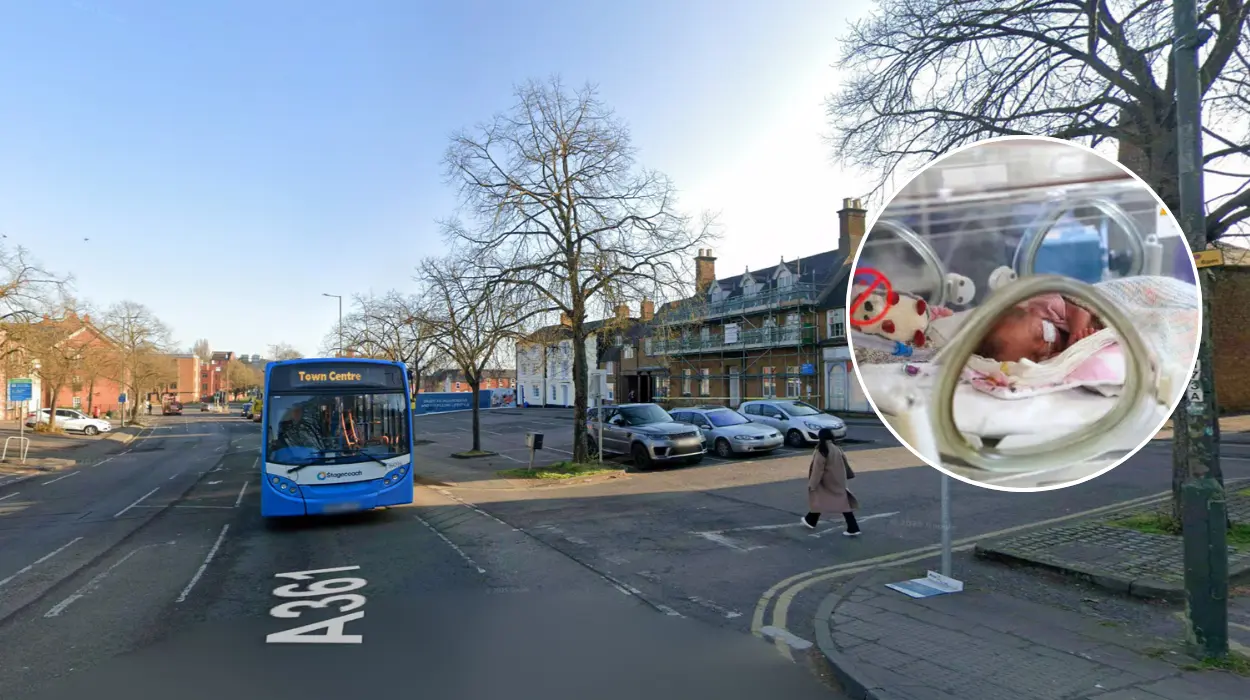
- Mothers urged to submit birth stories for investigation.
- National probe targets Oxford University Hospitals maternity.
- Families link trauma to Horton Hospital downgrade 2016.
- Call for evidence launches January 2026 online.
Banbury (Oxford Daily News) January 20, 2026 – Mothers and families in Banbury are being urged to contribute their birth experiences to the National Maternity and Neonatal Investigation, an independent probe led by Baroness Valerie Amos focusing on maternity services at Oxford University Hospitals (OUH), including the Horton General Hospital in Banbury. The initiative follows years of concerns over traumatic births, service downgrades, and safety issues raised by local campaigners and affected families.
- What is the national maternity investigation?
- Why are banburyshire families being asked to contribute?
- What traumatic experiences have been reported?
- How has baroness amos engaged with families?
- What is the timeline for the call for evidence?
- what responses have come from oxford university hospitals?
- What do past reviews say about local services?
- Will this lead to changes in banbury maternity services?
This call for evidence forms part of a broader effort to gather firsthand accounts from across England to inform national recommendations for safer maternity care.
What is the national maternity investigation?
The National Maternity and Neonatal Investigation, announced in 2025, examines 14 NHS trusts, including OUH, to uncover systemic issues in maternity and neonatal services. Baroness Amos, Master of University College Oxford, is leading the review, which emphasises hearing directly from families. An initial report was published in December 2025, with a full report and recommendations expected in spring 2026, leading to a National Action Plan by the Maternity and Neonatal Taskforce chaired by Health Secretary Wes Streeting.
As stated in the government’s terms of reference,
“the investigation will aim to understand the lived experiences of women, babies and families in England at all stages of the maternity and neonatal pathway”.
OUH issued a letter to current and past users of its maternity services on September 18, 2025, welcoming the probe and committing to transparency. The trust outlined plans to strengthen family involvement and invest £3 million in facilities like the John Radcliffe delivery suite and Horton midwife-led unit (MLU).
Why are banburyshire families being asked to contribute?
Banburyshire families are specifically targeted due to long-standing concerns over maternity services at Horton General Hospital, downgraded in 2016 from consultant-led to midwife-led births, forcing complex cases to Oxford’s John Radcliffe Hospital. Campaigners argue this has overwhelmed the JR, contributing to traumatic experiences. Beth Hopper of Keep the Horton General (KTHG) compiled a dossier of 50 harrowing birth stories in summer 2024, followed by a second volume as more women came forward.
As reported by ITV News Meridian journalists, Beth Hopper said:
“The Horton used to see around 2,000 births a year – now it’s around ten a month. With a growing population, so many more mothers are having to go to Oxford.“
A Facebook post from Banburyshire Info group on January 20, 2026, directly called on local mothers:
“Mothers and families in Banburyshire are asked to share birth experiences for the National Maternity Investigation, set up to improve…”
Similarly, a Banbury News X post echoed:
“Mothers and families in Banburyshire and across the country are asked to share birth experiences…”
What traumatic experiences have been reported?
Numerous families have detailed severe birth traumas linked to OUH services. Holly Jones from Banbury described her December 2023 postnatal care at John Radcliffe:
“It wasn’t until day three that the pain team saw me. By then my stomach was so swollen it looked like I was pregnant again.”
She felt “dismissed” as staff focused on her mental health history.
Keith Strangwood, whose daughter was stillborn in 2011, attended a meeting with Baroness Amos and found recent accounts “overwhelming… it brings everything back.” Campaigner Matthews, speaking to ITV News Meridian on December 9, 2025, described her own experience:
“I entered the John Radcliffe hospital as a confident, professional person. But I left that hospital a week later just as a shell of myself… Still now almost ten years later it affects me.”
She criticised care as “neglectful, inhumane.”
The Families Failed by OUH website collects stories, including a 2022 birth at John Radcliffe where a mother reported inadequate support. BBC News reported over 50 women sharing distressing ordeals via KTHG, highlighting substandard care post-2016 downgrade. A 2024 CQC inspection rated Horton maternity as “requires improvement,” warning “babies could be put at risk of harm” due to governance failures.
How has baroness amos engaged with families?
Baroness Amos has met directly with affected families, including Banbury parents in November 2025. Beth Hopper described the atmosphere as “calm and respectful”, with parents “properly listened to” for the first time, though she urged “recommendations should also be localised.” Holly Jones called the discussion “cathartic” and offering “hope for the future.”
In September 2025, Baroness Amos stated:
“it is vital that the experiences of mothers and affected families are at the heart of the investigation from its very beginning and are fully heard.”
By December 2025, she had spoken with 107 families and expressed being “immensely grateful” to those sharing, including staff. To date, over 650 families have come forward to the probe following ITV Meridian reports.
What is the timeline for the call for evidence?
The online Call for Evidence launches in January 2026 and remains open for eight weeks. This follows site visits, with initial findings in February 2026 and the final report in spring 2026. Banburyshire-specific appeals, like those on local social media, align with this national push.
Leigh Day solicitors noted in their 2025 coverage:
“The Investigation will launch an online Call for Evidence for families in January 2026, which will be open for eight weeks.”
what responses have come from oxford university hospitals?
OUH has responded proactively. Chief Nursing Officer Yvonne Christley stated:
“I would like to provide assurance that all our maternity services – including the unit at John Radcliffe – are fully staffed and equipped… we have scaled up investment significantly over the past 18 months, which includes successfully recruiting 54 additional midwives and building a new bereavement suite.”
She added:
“Overall, feedback from women and families using our maternity services is good. However, we know we don’t always get things right.”
Milica Redfearn, Director of Midwifery, after the 2024 CQC report on Horton, said: “We are disappointed by this result but we always welcome feedback… We have a great team at the Horton Midwifery-led Unit.” Professor Meghana Pandit, CEO, affirmed:
“As a learning organisation we will improve services along the lines highlighted in the report.“
In their September 2025 letter, OUH prioritised:
“Your safety and wellbeing remain our priority… Strengthening how we listen to and involve families.”
What do past reviews say about local services?
Older reviews like the Oxfordshire LINk Maternity Services Review praised aspects such as JR maternity ward care: “Maternity services are excellent at JR… team very caring.” Community midwives received mixed feedback, with some noting “under too much pressure… you may not see a midwife for a week – 2 weeks after birth.” Positive mentions included breastfeeding clinics and SCBU staff:
“Banbury SCBU – staff really kind.”
However, recent CQC and family reports contrast sharply, fuelling the current inquiry.
Will this lead to changes in banbury maternity services?
Campaigners hope for restoration of full services at Horton. Beth Hopper’s dossiers and family meetings underscore pressure for localised fixes. Baroness Amos aims for “systemic change”. With Banburyshire’s growing population, the inquiry could prompt reversals to the 2016 downgrade, though OUH insists current staffing suffices for 7,500 annual births.
Grieving mothers, as per BBC on December 9, 2025, want the review “to go further”, citing “important parts missing” from initial findings. The probe’s emphasis on family voices positions Banburyshire contributions as pivotal.